PodParley PodParley

Cumberland Gap

This podcast focuses on Cumberland Gap as a speci…

An episode of the Public Access America podcast, hosted by Public Access America, titled "Cumberland Gap" was published on November 2, 2016 and runs 13 minutes.

November 2, 2016 ·13m · Public Access America

0:00 / 0:00

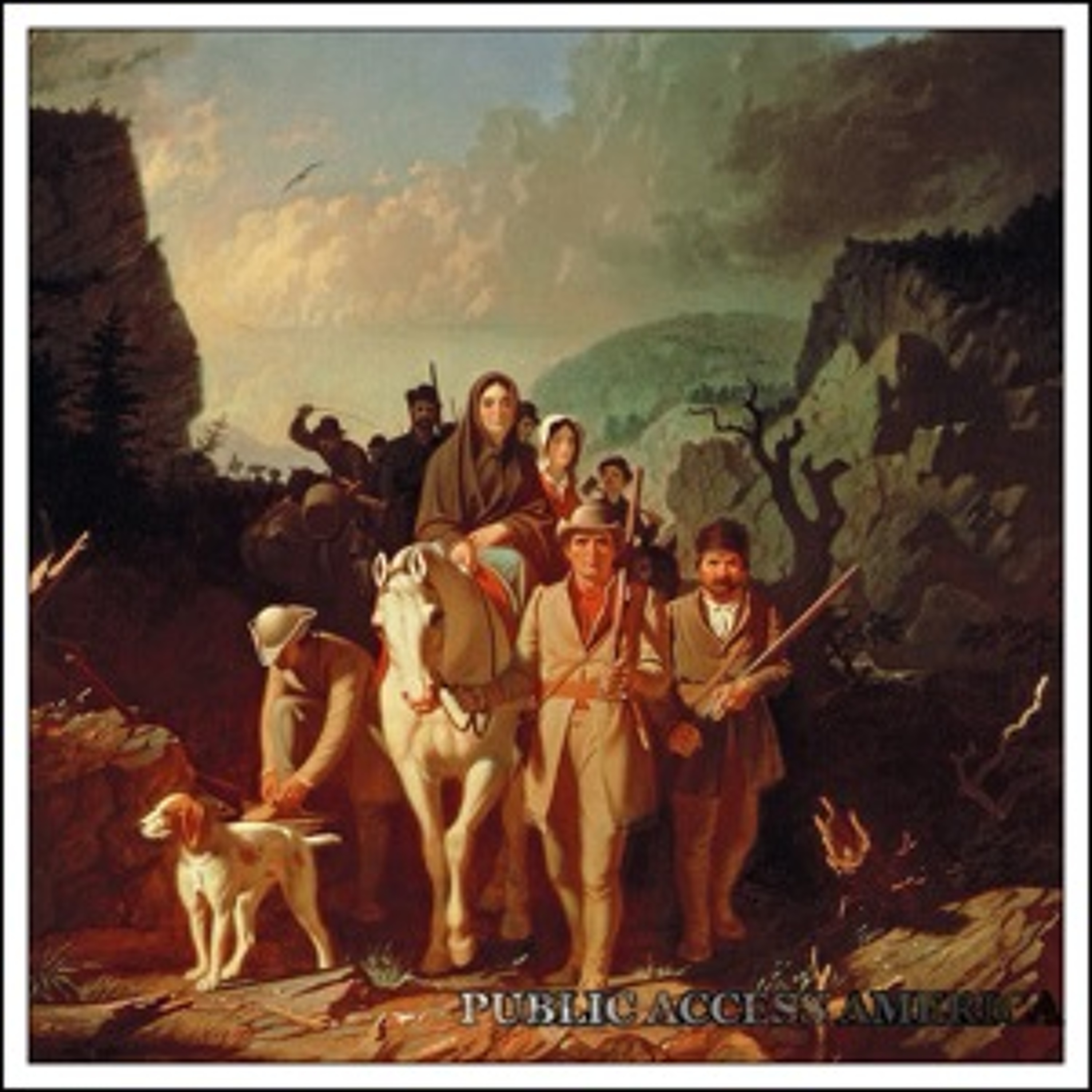
This podcast focuses on Cumberland Gap as a special place of passing for thousands of years--a place with a long relationship to the affairs of man. It relates the important role the gap played in opening the West to settlement. The passage created by Cumberland Gap was well-traveled by Native Americans long before the arrival of European-American settlers. The earliest written account of Cumberland Gap dates to the 1670s, by Abraham Wood of Virginia. The gap was named for Prince William, Duke of Cumberland, son of King George II of Great Britain, who had many places named for him in the American colonies after the Battle of Culloden. The explorer Thomas Walker gave the name to the Cumberland River in 1750, and the name soon spread to many other features in the region, such as the Cumberland Gap. In 1769 Joseph Martin built a fort nearby at present-day Rose Hill, Virginia, on behalf of Dr. Walker's land claimants. But Martin and his men were chased out of the area by Native Americans, and Martin himself did not return until 1775. In 1775 Daniel Boone, hired by the Transylvania Company, arrived in the region leading a company of men to widen the path through the gap to make settlement of Kentucky and Tennessee easier. On his arrival Boone discovered that Martin had beaten him to Powell Valley, where Martin and his men were clearing land for their own settlement – the westernmost settlement in English colonial America at the time. By the 1790s the trail that Boone and his men built was widened to accommodate wagon traffic and sometimes became known as the Wilderness Road. Daniel Boone Escorting Settlers through the Cumberland Gap (George Caleb Bingham, oil on canvas, 1851–52) Several American Civil War engagements occurred in and around the Cumberland Gap and are sometimes called Battle of the Cumberland Gap. In June 1862, Union Army General George W. Morgan captured the gap for the Union. In September of that year, Confederate States Army forces under Edmund Kirby Smith occupied the gap during General Braxton Bragg's Kentucky Invasion. The following year, in a bloodless engagement in September 1863, Union Army troops under General Ambrose Burnside forced the surrender of 2,300 Confederates defending the gap, gaining Union control of the gap for the remainder of the war. It is estimated that between 200,000 and 300,000 migrants passed through the gap on their way into Kentucky and the Ohio Valley before 1810. Today 18,000 cars pass beneath the site daily, and 1,200,000 people visit the park on the site annually. U.S. Route 25E passed overland through the gap before the completion of the Cumberland Gap Tunnel in 1996. The original trail was source link https://archive.org/details/gov.ntis.ava15022vnb1 copyright link https://creativecommons.org/licenses/publicdomain/ information link https://en.wikipedia.org/wiki/Cumberland_Gap Advertising Inquiries: https://redcircle.com/brands Privacy & Opt-Out: https://redcircle.com/privacy

This podcast focuses on Cumberland Gap as a special place of passing for thousands of years--a place with a long relationship to the affairs of man. It relates the important role the gap played in opening the West to settlement. The passage created by Cumberland Gap was well-traveled by Native Americans long before the arrival of European-American settlers. The earliest written account of Cumberland Gap dates to the 1670s, by Abraham Wood of Virginia. The gap was named for Prince William, Duke of Cumberland, son of King George II of Great Britain, who had many places named for him in the American colonies after the Battle of Culloden. The explorer Thomas Walker gave the name to the Cumberland River in 1750, and the name soon spread to many other features in the region, such as the Cumberland Gap. In 1769 Joseph Martin built a fort nearby at present-day Rose Hill, Virginia, on behalf of Dr. Walker's land claimants. But Martin and his men were chased out of the area by Native Americans, and Martin himself did not return until 1775. In 1775 Daniel Boone, hired by the Transylvania Company, arrived in the region leading a company of men to widen the path through the gap to make settlement of Kentucky and Tennessee easier. On his arrival Boone discovered that Martin had beaten him to Powell Valley, where Martin and his men were clearing land for their own settlement – the westernmost settlement in English colonial America at the time. By the 1790s the trail that Boone and his men built was widened to accommodate wagon traffic and sometimes became known as the Wilderness Road. Daniel Boone Escorting Settlers through the Cumberland Gap (George Caleb Bingham, oil on canvas, 1851–52) Several American Civil War engagements occurred in and around the Cumberland Gap and are sometimes called Battle of the Cumberland Gap. In June 1862, Union Army General George W. Morgan captured the gap for the Union. In September of that year, Confederate States Army forces under Edmund Kirby Smith occupied the gap during General Braxton Bragg's Kentucky Invasion. The following year, in a bloodless engagement in September 1863, Union Army troops under General Ambrose Burnside forced the surrender of 2,300 Confederates defending the gap, gaining Union control of the gap for the remainder of the war. It is estimated that between 200,000 and 300,000 migrants passed through the gap on their way into Kentucky and the Ohio Valley before 1810. Today 18,000 cars pass beneath the site daily, and 1,200,000 people visit the park on the site annually. U.S. Route 25E passed overland through the gap before the completion of the Cumberland Gap Tunnel in 1996. The original trail was source link https://archive.org/details/gov.ntis.ava15022vnb1 copyright link https://creativecommons.org/licenses/publicdomain/ information link https://en.wikipedia.org/wiki/Cumberland_Gap

Advertising Inquiries: https://redcircle.com/brands

Privacy & Opt-Out: https://redcircle.com/privacy
Tipsy Tourism Chelsea Dickenson & James Robinson Tipsy Tourism is the podcast that combines top tourist attractions with a tipple or three, hosted by cheap holiday expert Chelsea and her radio producer 'housemate' James.In each episode, the pair will start at home as Chelsea chooses the activity and James chooses what will accompany them from the drinks trolley. We'll then join them as they head out and about as they discreetly capture their whole experience for us - unearthing the lesser heard of interesting facts and finding the best places to sneak off to for a quick swig from their hip flask... Finally, we'll hear them as they settle back at home to give us the final verdict on whether this tourist attraction has bucket list potential or not. Get early access, ad free episodes and behind the scenes content Hosted on Acast. See <a style='color:grey;' Explicit Public Restrooms Please Be Offended My dad in a public restroom Explicit Nomikai Podcast E20 Noticias Darling in the Franxx, Godzilla Resurgence Public (Podcast) - www.poderato.com/nomikaipodcast www.podErato.com Estimado Godín deje lo que este haciendo y disfrute de su dosis de onda geek para que sea el más popular de la oficina. les traemos en esta emisión reseñas de darlig in the franxx y de Godzilla Resurgence asi como la gustada seleccion de noticias robadas asi como una seleccionde canciones que están de mmmmmmmm increibles asi que relajese que se lo merece y póngale play Explicit Le Petit Chicago Le Petit Chicago Devant public au bar le Petit Chicago dans le Vieux-Hull (Québec): Tristan, Alexis, Roger et leurs invités parlent musique, actualité, politique, alcool et histoire de la région tout en essayant de ne pas boire trop vite des bonnes bières de microbrasserie (et plus).Merci à http://www.bensound.com pour la musique! Explicit
URL copied to clipboard!