
EPISODE · Jan 26, 2022 · 1H 42M
David Chalmers on Reality+: Virtual Worlds and the Problems of Philosophy
from Future of Life Institute Podcast · host Gus Docker
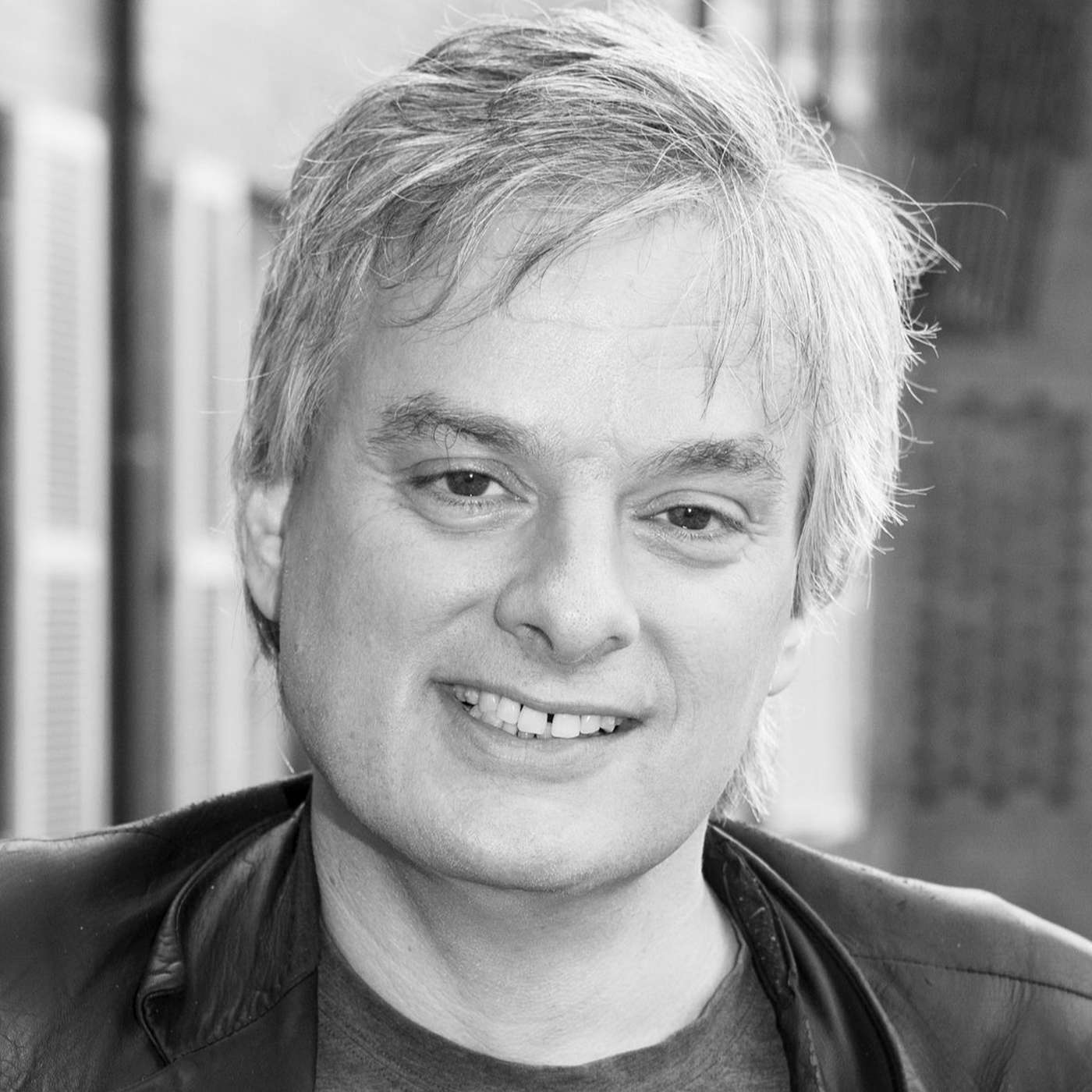
David Chalmers, Professor of Philosophy and Neural Science at NYU, joins us to discuss his newest book Reality+: Virtual Worlds and the Problems of Philosophy. Topics discussed in this episode include: -Virtual reality as genuine reality -Why VR is compatible with the good life -Why we can never know whether we're in a simulation -Consciousness in virtual realities -The ethics of simulated beings You can find the page for the podcast here: https://futureoflife.org/2022/01/26/david-chalmers-on-reality-virtual-worlds-and-the-problems-of-philosophy/ Watch the video version of this episode here: https://www.youtube.com/watch?v=hePEg_h90KI Check out David's book and website here: http://consc.net/ Follow Lucas on Twitter here: https://twitter.com/lucasfmperry Have any feedback about the podcast? You can share your thoughts here: www.surveymonkey.com/r/DRBFZCT Timestamps: 0:00 Intro 2:43 How this books fits into David's philosophical journey 9:40 David's favorite part(s) of the book 12:04 What is the thesis of the book? 14:00 The core areas of philosophy and how they fit into Reality+ 16:48 Techno-philosophy 19:38 What is "virtual reality?" 21:06 Why is virtual reality "genuine reality?" 25:27 What is the dust theory and what's it have to do with the simulation hypothesis? 29:59 How does the dust theory fit in with arguing for virtual reality as genuine reality? 34:45 Exploring criteria for what it means for something to be real 42:38 What is the common sense view of what is real? 46:19 Is your book intended to address common sense intuitions about virtual reality? 48:51 Nozick's experience machine and how questions of value fit in 54:20 Technological implementations of virtual reality 58:40 How does consciousness fit into all of this? 1:00:18 Substrate independence and if classical computers can be conscious 1:02:35 How do problems of identity fit into virtual reality? 1:04:54 How would David upload himself? 1:08:00 How does the mind body problem fit into Reality+? 1:11:40 Is consciousness the foundation of value? 1:14:23 Does your moral theory affect whether you can live a good life in a virtual reality? 1:17:20 What does a good life in virtual reality look like? 1:19:08 David's favorite VR experiences 1:20:42 What is the moral status of simulated people? 1:22:38 Will there be unconscious simulated people with moral patiency? 1:24:41 Why we can never know we're not in a simulation 1:27:56 David's credences for whether we live in a simulation 1:30:29 Digital physics and what is says about the simulation hypothesis 1:35:21 Imperfect realism and how David sees the world after writing Reality+ 1:37:51 David's thoughts on God 1:39:42 Moral realism or anti-realism? 1:40:55 Where to follow David and find Reality+ This podcast is possible because of the support of listeners like you. If you found this conversation to be meaningful or valuable, consider supporting it directly by donating at futureoflife.org/donate. Contributions like yours make these conversations possible.
Embed this episode
NOW PLAYING
David Chalmers on Reality+: Virtual Worlds and the Problems of Philosophy
No transcript for this episode yet
Similar Episodes
No similar episodes found.
Similar Podcasts
No similar podcasts found.