
EPISODE · Nov 3, 2025 · 39 MIN
Decarbonising Ireland: Hydrogen Valley Project
from The Energy Canvas with Celtic Dynamics · host Celtic Dynamics
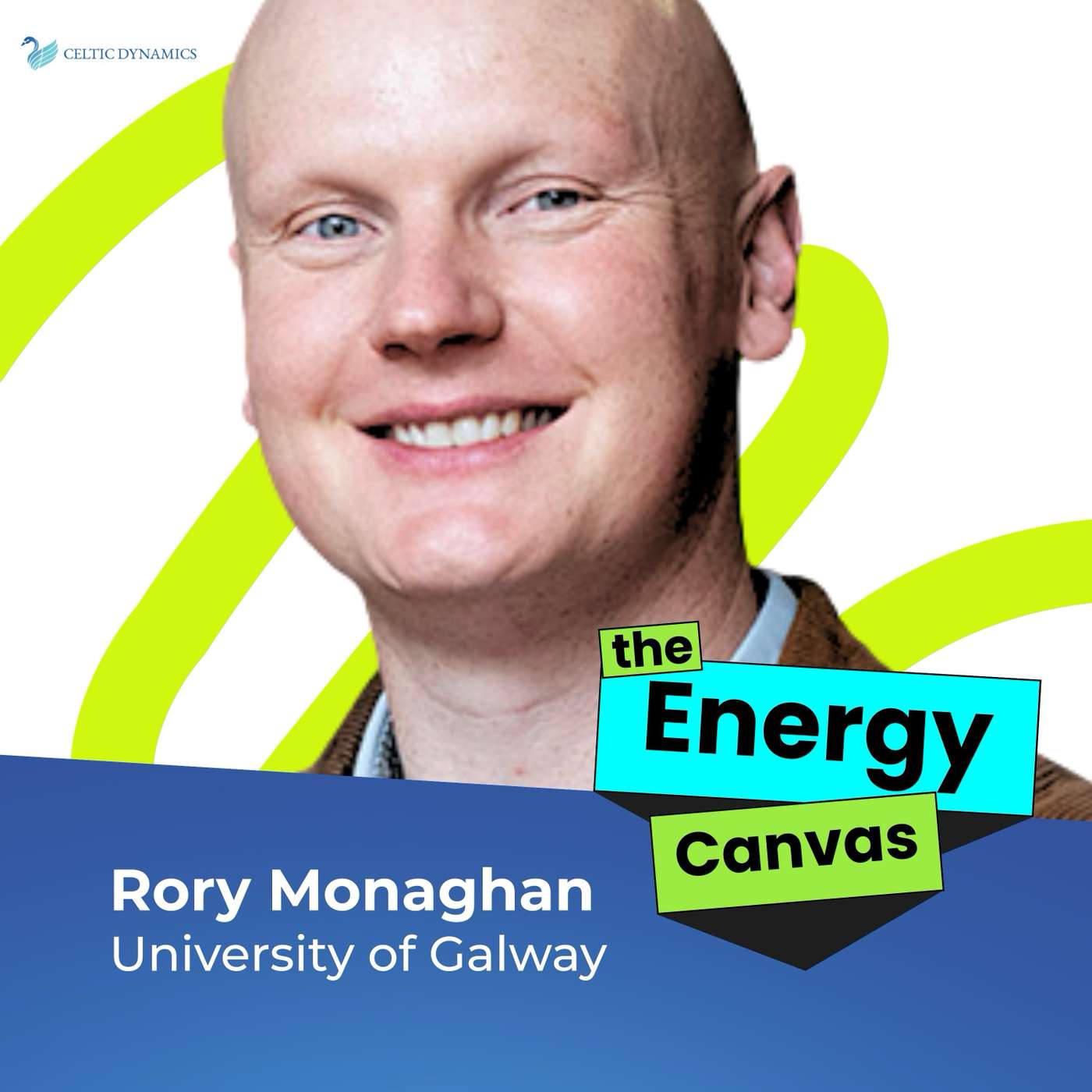
In a world of rising energy costs and urgent climate targets, how do engineers lead real decarbonisation action? Ou guest Professor Rory Monaghan explains how. He is from the University of Galway and coordinates SH2AMROCK—Ireland's first Hydrogen Valley—a €54 million project demonstrating hydrogen across transport, industry, and aviation. Discover why Ireland's electricity is actually expensive because of fossil fuels (not renewables), how excess wind energy can be stored as hydrogen for months, and why the planning system is the key infrastructure challenge to solve before 2030.Things We Spoke About:Engineers must design solutions with positive environmental impact from the outsetIreland's expensive electricity stems from fossil fuel backup, not renewable windSH2AMROCK demonstrates hydrogen across buses, trucks, industry, and small aircraftPolicy funding delays threaten first-mover hydrogen projects before timelines slip awayUnlocking Ireland's planning system is critical before 2030 for infrastructureGuest Details:Professor Rory Monaghan is Professor in Energy Systems Engineering at the University of Galway, where he leads the Mechanical Engineering Discipline and the Erin research group focused on energy system decarbonisation. He serves as Coordinator of SH2AMROCK, a 5-year, €54-million project to build, operate, and grow Ireland's first Hydrogen Valley. He holds a Bachelor's degree in Mechanical Engineering from the University of Galway and both Master's and PhD degrees in the same field from MIT. His passion for hydrogen technology began over 20 years ago as an undergraduate student and has guided his entire research career.Connect with Professor Monaghan:LinkedIn: https://www.linkedin.com/in/rorymonaghan/Website: https://sites.google.com/view/erinresearchgroup/homeAbout The Energy Canvas Podcast:The Energy Canvas is brought to you by Celtic Dynamics, exploring the intersection of engineering innovation, sustainability, and business success in Ireland's evolving energy landscape. Each episode features conversations with industry leaders, researchers, and entrepreneurs driving real climate action and decarbonisation solutions. This podcast is produced by DustPod.ioGet In Touch:Have a question about energy systems, hydrogen technology, or want to suggest a future guest? Contact us at www.celticdynamics.com or connect with Celtic Dynamics on LinkedIn: www.linkedin.com/company/celtic-dynamicsQuotes: "The way we are consuming energy, we're moving energy, we're producing energy is not sustainable. We're robbing from the future." - Professor Rory Monaghan"We need to educate engineers in understanding what exactly society's needs are." - Professor Rory Monaghan "We make great plans, great strategies, really good policies in Ireland—but the inaction of it is really, really difficult." - Professor Rory MonaghanKEYWORDS#hydrogenenergy #energydecarbonisation #climateaction #renewableenergy #engineeringinnovation
What this episode covers
In a world of rising energy costs and urgent climate targets, how do engineers lead real decarbonisation action? Ou guest Professor Rory Monaghan explains how. He is from the University of Galway and coordinates SH2AMROCK—Ireland's first Hydrogen Valley—a €54 million project demonstrating hydrogen across transport, industry, and aviation. Discover why Ireland's electricity is actually expensive because of fossil fuels (not renewables), how excess wind energy can be stored as hydrogen for months, and why the planning system is the key infrastructure challenge to solve before 2030.Things We Spoke About:Engineers must design solutions with positive environmental impact from the outsetIreland's expensive electricity stems from fossil fuel backup, not renewable windSH2AMROCK demonstrates hydrogen across buses, trucks, industry, and small aircraftPolicy funding delays threaten first-mover hydrogen projects before timelines slip awayUnlocking Ireland's planning system is critical before 2030 for infrastructureGuest Details:Professor Rory Monaghan is Professor in Energy Systems Engineering at the University of Galway, where he leads the Mechanical Engineering Discipline and the Erin research group focused on energy system decarbonisation. He serves as Coordinator of SH2AMROCK, a 5-year, €54-million project to build, operate, and grow Ireland's first Hydrogen Valley. He holds a Bachelor's degree in Mechanical Engineering from the University of Galway and both Master's and PhD degrees in the same field from MIT. His passion for hydrogen technology began over 20 years ago as an undergraduate student and has guided his entire research career.Connect with Professor Monaghan:LinkedIn: https://www.linkedin.com/in/rorymonaghan/Website: https://sites.google.com/view/erinresearchgroup/homeAbout The Energy Canvas Podcast:The Energy Canvas is brought to you by Celtic Dynamics, exploring the intersection of engineering innovation, sustainability, and business success in Ireland's evolving energy landscape. Each episode features conversations with industry leaders, researchers, and entrepreneurs driving real climate action and decarbonisation solutions. This podcast is produced by DustPod.ioGet In Touch:Have a question about energy systems, hydrogen technology, or want to suggest a future guest? Contact us at www.celticdynamics.com or connect with Celtic Dynamics on LinkedIn: www.linkedin.com/company/celtic-dynamicsQuotes: "The way we are consuming energy, we're moving energy, we're producing energy is not sustainable. We're robbing from the future." - Professor Rory Monaghan"We need to educate engineers in understanding what exactly society's needs are." - Professor Rory Monaghan "We make great plans, great strategies, really good policies in Ireland—but the inaction of it is really, really difficult." - Professor Rory MonaghanKEYWORDS#hydrogenenergy #energydecarbonisation #climateaction #renewableenergy #engineeringinnovation
NOW PLAYING
Decarbonising Ireland: Hydrogen Valley Project
No transcript for this episode yet
Similar Episodes
No similar episodes found.
Similar Podcasts
No similar podcasts found.