
EPISODE · May 10, 2026 · 58 MIN
Deus Ex Machina
from How God Works: The Science Behind Spirituality · host PRX
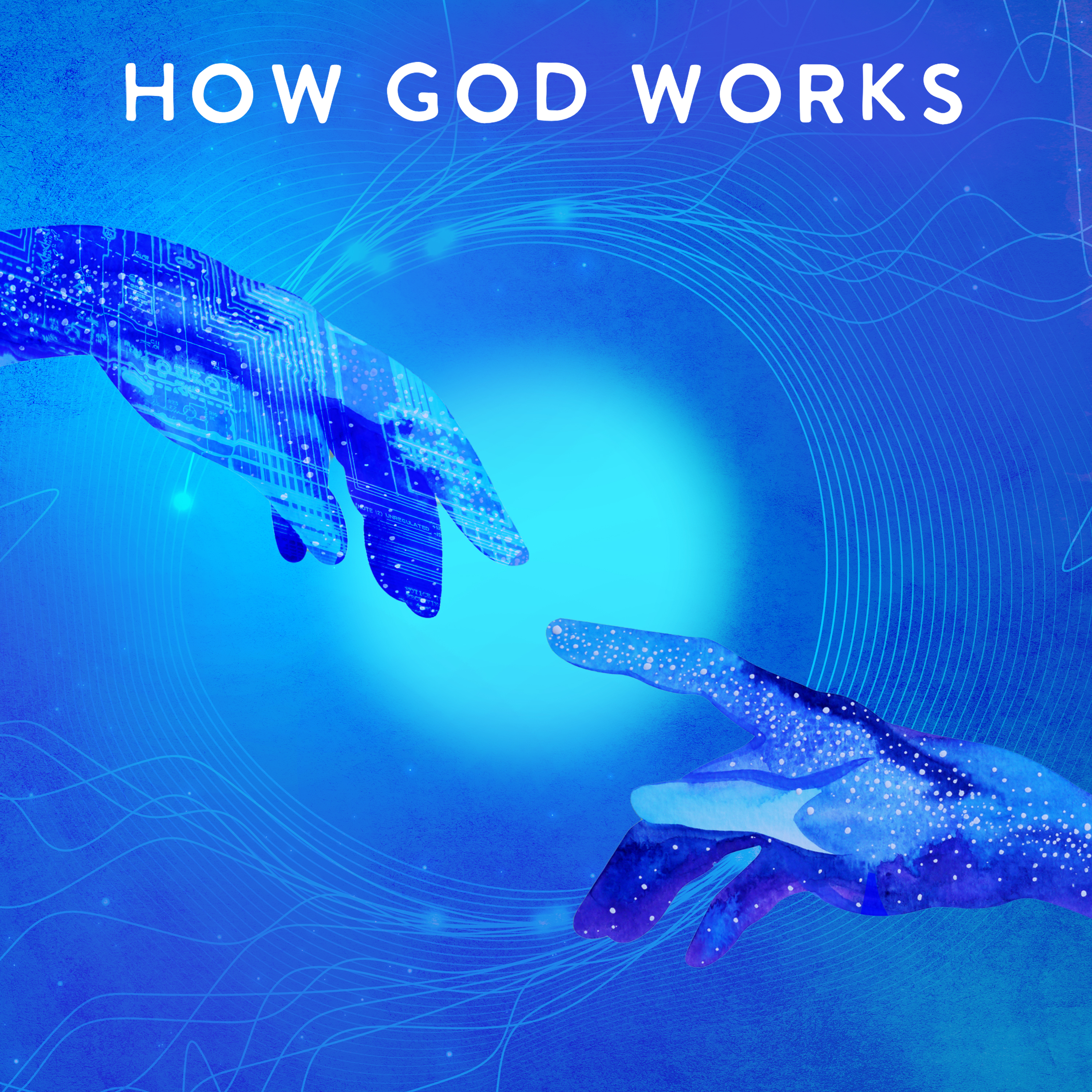
We’ve always assumed that if there IS a God, that God made us. But what if it ends up being the other way around… and we’re already further along than we think? Artificial intelligence is now offering moral advice, generating new forms of scripture, even simulating conversations with the divine. For some users, the line between useful tool and spiritual authority is already starting to blur. Why does it feel so natural for us to imagine there’s a ghost in the machine? And what happens when the people building AI start to talk and think about their creation in religious terms? On this episode, we’ll talk to journalist Sigal Samuel about where AI is showing up in religious spaces and how what it becomes will have major consequences for human agency and how we understand our place in the world. And we’ll talk to psychologist Paul Bloom about the quirks of human psychology that make us so prone to see minds, intention, and perhaps even the divine, in the machine. Along the way we’ll also ask: Can AI be morally formed? Could it ever have something like its own spiritual yearning? And if it could, what might it mean for us?Sigal Samuel is a senior reporter at Vox, where she covers religion, ethics, and the future of consciousness and AI. Check out her writing in Vox’s Future Perfect column and follow her on X or Bluesky.Paul Bloom is a professor of psychology at the University of Toronto and the author of several books, including Just Babies: The Origins of Good and Evil and Against Empathy. Learn more about his work at his website.Also mentioned on this episode:Stewart Elliott Guthrie, author of Faces in the Clouds: A New Theory of ReligionWilliam Paley, author of Natural Theology (watch on a beach example)Catholic priest and philosopher Pierre Teilhard de Chardin, and futurist Ray Kurzweil, who have both influenced the philosophical movement of transhumanism.
What this episode covers
We’ve always assumed that if there IS a God, that God made us. But what if it ends up being the other way around… and we’re already further along than we think? Artificial intelligence is now offering moral advice, generating new forms of scripture, even simulating conversations with the divine. For some users, the line between useful tool and spiritual authority is already starting to blur. Why does it feel so natural for us to imagine there’s a ghost in the machine? And what happens when the people building AI start to talk and think about their creation in religious terms? On this episode, we’ll talk to journalist Sigal Samuel about where AI is showing up in religious spaces and how what it becomes will have major consequences for human agency and how we understand our place in the world. And we’ll talk to psychologist Paul Bloom about the quirks of human psychology that make us so prone to see minds, intention, and perhaps even the divine, in the machine. Along the way we’ll also ask: Can AI be morally formed? Could it ever have something like its own spiritual yearning? And if it could, what might it mean for us? Sigal Samuel is a senior reporter at Vox, where she covers religion, ethics, and the future of consciousness and AI. Check out her writing in Vox’s Future Perfect column and follow her on X or Bluesky. Paul Bloom is a professor of psychology at the University of Toronto and the author of several books, including Just Babies: The Origins of Good and Evil and Against Empathy. Learn more about his work at his website. Also mentioned on this episode: Stewart Elliott Guthrie, author of Faces in the Clouds: A New Theory of Religion William Paley, author of Natural Theology (watch on a beach example) Catholic priest and philosopher Pierre Teilhard de Chardin, and futurist Ray Kurzweil, who have both influenced the philosophical movement of transhumanism.
NOW PLAYING
Deus Ex Machina
No transcript for this episode yet
Similar Episodes
Mar 26, 2026 ·1m
Mar 19, 2026 ·34m
Feb 18, 2026 ·11m
Feb 11, 2026 ·45m