
EPISODE · Sep 27, 2022 · 15 MIN
Digital Lethargy
from New Books in Critical Theory · host Marshall Poe
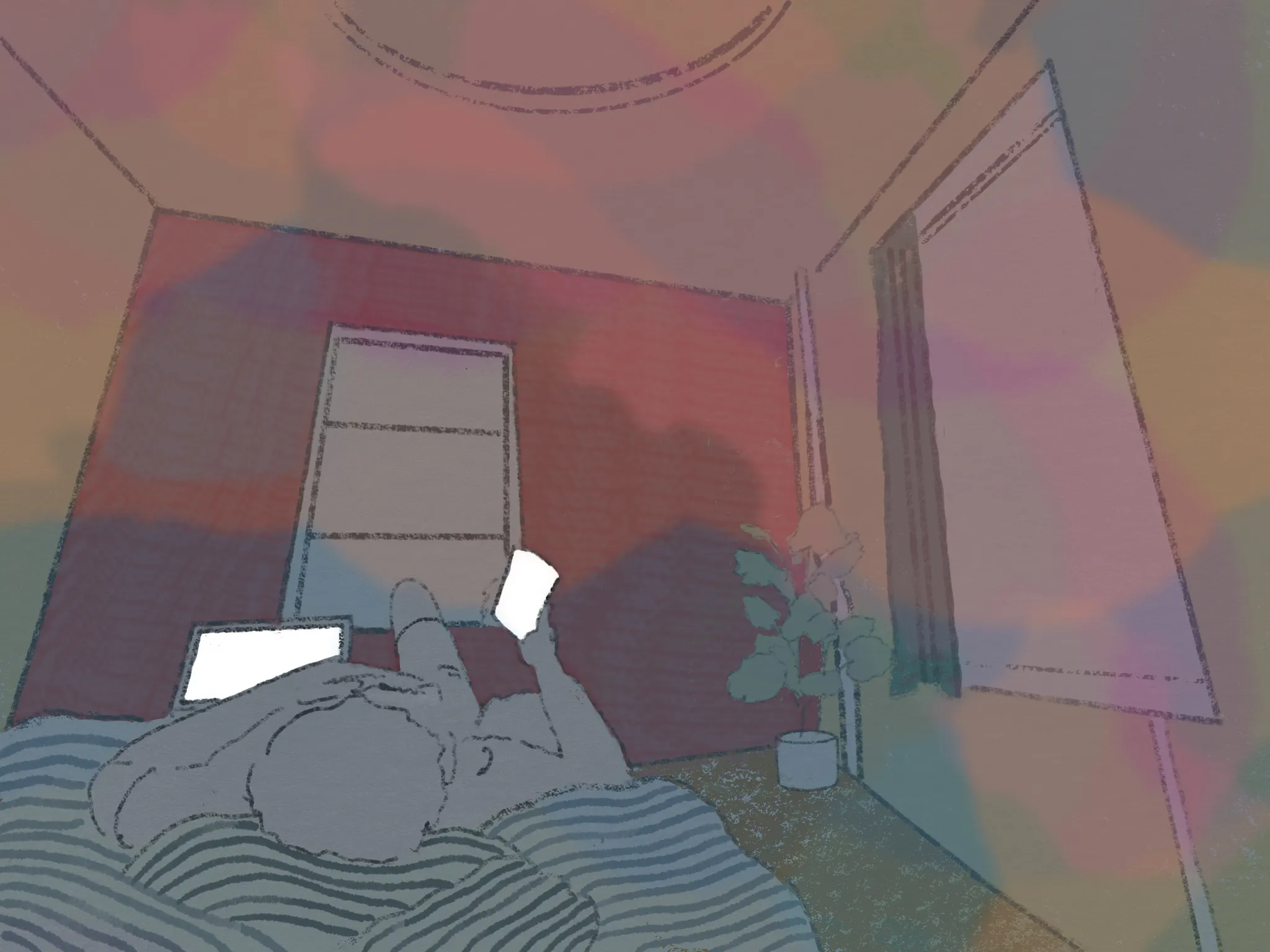
In this episode of High Theory, Tung-Hui Hu talks with Júlia Irion Martins about Digital Lethargy, as part of our High Theory in STEM series. As a modern ailment, digital lethargy is a societal pathology, like earlier forms of acedia, otium, and neurasthenia, but also a disease of performing selfhood within the disposable identities of contemporary, digital service work. In this episode, Tung-Hui Hu makes the argument that digital lethargy helps us turn away from the demand to constantly “be ourselves” and see the potential of quieter, more ordinary forms of survival in the digital age such as collective inaction. In the episode he discusses Heike Geissler’s Seasonal Associate (Semiotexte/Native Agents, 2018, trans. Katy Derbyshire). He also references the film Sleeping Beauty (dir. Julia Leigh, 2011), Douglas A. Blackmon’s Slavery by Another Name: The Re-Enslavement of Black Americans from the Civil War to World War II (Anchor, 2008), Heike Geissler’s Seasonal Associate (Semiotexte/Native Agents, 2018, trans. Katy Derbyshire), and Cathy Park Hong’s Minor Feelings: An Asian American Reckoning (Penguin Random House, 2020). Other mentions include the artist Aria Dean and scholar Achille Mbembe. Tung-Hui Hu is a poet and scholar. His new website has the best domain ending: tunghui.hu He is a 2022-23 Rome Prize Fellow in Literature at the American Academy in Rome and an associate professor of English at the University of Michigan. His book on this topic, Digital Lethargy: Dispatches from an Age of Disconnection (MIT Press, 2022), will be published on October 4 This week’s image was made by Saronik Bosu. Learn more about your ad choices. Visit megaphone.fm/adchoices Support our show by becoming a premium member! https://newbooksnetwork.supportingcast.fm/critical-theory
What this episode covers
In this episode of High Theory, Tung-Hui Hu talks with Júlia Irion Martins about Digital Lethargy, as part of our High Theory in STEM series. As a modern ailment, digital lethargy is a societal pathology, like earlier forms of acedia, otium, and neurasthenia, but also a disease of performing selfhood within the disposable identities of contemporary, digital service work. In this episode, Tung-Hui Hu makes the argument that digital lethargy helps us turn away from the demand to constantly “be ourselves” and see the potential of quieter, more ordinary forms of survival in the digital age such as collective inaction. In the episode he discusses Heike Geissler’s Seasonal Associate (Semiotexte/Native Agents, 2018, trans. Katy Derbyshire). He also references the film Sleeping Beauty (dir. Julia Leigh, 2011), Douglas A. Blackmon’s Slavery by Another Name: The Re-Enslavement of Black Americans from the Civil War to World War II (Anchor, 2008), Heike Geissler’s Seasonal Associate (Semiotexte/Native Agents, 2018, trans. Katy Derbyshire), and Cathy Park Hong’s Minor Feelings: An Asian American Reckoning (Penguin Random House, 2020). Other mentions include the artist Aria Dean and scholar Achille Mbembe. Tung-Hui Hu is a poet and scholar. His new website has the best domain ending: tunghui.hu He is a 2022-23 Rome Prize Fellow in Literature at the American Academy in Rome and an associate professor of English at the University of Michigan. His book on this topic, Digital Lethargy: Dispatches from an Age of Disconnection (MIT Press, 2022), will be published on October 4 This week’s image was made by Saronik Bosu. Learn more about your ad choices. Visit megaphone.fm/adchoices Support our show by becoming a premium member! https://newbooksnetwork.supportingcast.fm/critical-theory
NOW PLAYING
Digital Lethargy
No transcript for this episode yet
Similar Episodes
Mar 19, 2026 ·34m
Feb 18, 2026 ·11m
Feb 11, 2026 ·45m
Nov 12, 2025 ·35m
Oct 17, 2025 ·40m