
EPISODE · Jul 25, 2025 · 51 MIN
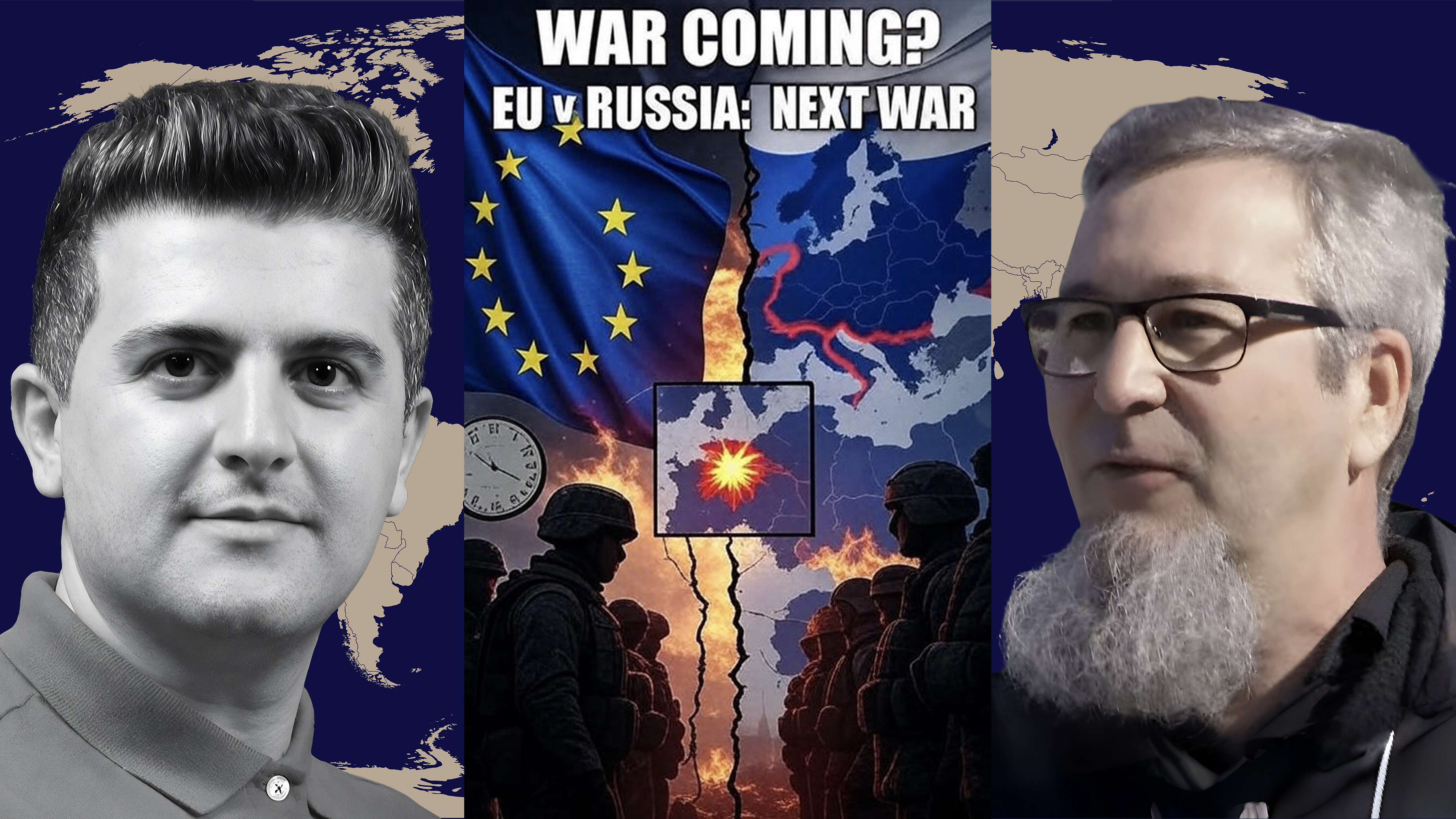
Dmitry Orlov: Is a MAJOR War Brewing Between the EU and Russia
from Dialogue Works
Nima Rostami Alkhorshid:What were the outcomes of the latest round of negotiations between Russia and Ukraine?How should we interpret the recent protests in Ukraine, and what implications do they have for Russia?Does the West, particularly the US and Europe, care about who governs Ukraine after a settlement, and how do their differing approaches affect the situation?What is the significance of the Zangazur corridor, and could the US play a role in managing it, impacting Russia and Iran?How can we understand Turkey’s complex and often contradictory behavior in the region, especially regarding Armenia, Azerbaijan, and the Middle East?Dmitry Orlov:The talks occurred but achieved little—both sides remain too far apart for substantive negotiations. Russia proposed short humanitarian ceasefires to recover the dead and wounded, which Ukraine said they would consider. The Ukrainian delegation no longer follows Zelensky’s demands, signaling a shift toward more realistic, albeit limited, engagement.The protests in Ukraine are not organic but orchestrated "AstroTurf" events, funded and organized by political rivals like Poroshenko and Klitschko to challenge Zelensky. Participants are mostly young, paid individuals; older men avoid protests due to fear of conscription. This reflects Ukraine’s political instability and lack of genuine democratic process.Europe and the US have divergent interests: Europe takes an ideological stance, while Trump focuses on economic leverage. Trump pressured Europe to fund Ukraine’s war effort after the US withdrew support, exposing Europe’s inability or unwillingness to pay. This shift allows the US to blame Europe if Ukraine collapses, marking a strategic win for Trump and a diplomatic loss for Europe.The idea that the US will manage the Zangazur corridor is baseless "fake news." The corridor is strategically important for Iran as a cultural and recreational outlet, and for Azerbaijan as a land link to Turkey. However, merging Azerbaijan with Turkey risks destabilizing both due to deep ethnic and regional divisions within Azerbaijan, making such integration problematic.Turkey’s behavior stems from its fractured identity—balancing secular Ataturk-era nationalism with Islamist influences like the Muslim Brotherhood. Historically prone to internal betrayal, Turkey is now less controllable by the US, especially since Putin helped Erdogan survive a coup attempt. Russia manages Turkey as an untrustworthy neighbor, expecting betrayal but avoiding overreaction. Hosted on Acast. See acast.com/privacy for more information.
What this episode covers
Nima Rostami Alkhorshid:What were the outcomes of the latest round of negotiations between Russia and Ukraine?How should we interpret the recent protests in Ukraine, and what implications do they have for Russia?Does the West, particularly the US and Europe, care about who governs Ukraine after a settlement, and how do their differing approaches affect the situation?What is the significance of the Zangazur corridor, and could the US play a role in managing it, impacting Russia and Iran?How can we understand Turkey’s complex and often contradictory behavior in the region, especially regarding Armenia, Azerbaijan, and the Middle East?Dmitry Orlov:The talks occurred but achieved little—both sides remain too far apart for substantive negotiations. Russia proposed short humanitarian ceasefires to recover the dead and wounded, which Ukraine said they would consider. The Ukrainian delegation no longer follows Zelensky’s demands, signaling a shift toward more realistic, albeit limited, engagement.The protests in Ukraine are not organic but orchestrated "AstroTurf" events, funded and organized by political rivals like Poroshenko and Klitschko to challenge Zelensky. Participants are mostly young, paid individuals; older men avoid protests due to fear of conscription. This reflects Ukraine’s political instability and lack of genuine democratic process.Europe and the US have divergent interests: Europe takes an ideological stance, while Trump focuses on economic leverage. Trump pressured Europe to fund Ukraine’s war effort after the US withdrew support, exposing Europe’s inability or unwillingness to pay. This shift allows the US to blame Europe if Ukraine collapses, marking a strategic win for Trump and a diplomatic loss for Europe.The idea that the US will manage the Zangazur corridor is baseless "fake news." The corridor is strategically important for Iran as a cultural and recreational outlet, and for Azerbaijan as a land link to Turkey. However, merging Azerbaijan with Turkey risks destabilizing both due to deep ethnic and regional divisions within Azerbaijan, making such integration problematic.Turkey’s behavior stems from its fractured identity—balancing secular Ataturk-era nationalism with Islamist influences like the Muslim Brotherhood. Historically prone to internal betrayal, Turkey is now less controllable by the US, especially since Putin helped Erdogan survive a coup attempt. Russia manages Turkey as an untrustworthy neighbor, expecting betrayal but avoiding overreaction. Hosted on Acast. See acast.com/privacy for more information.
NOW PLAYING
Dmitry Orlov: Is a MAJOR War Brewing Between the EU and Russia
No transcript for this episode yet
Similar Episodes
Jun 20, 2026 ·31m
Jun 20, 2026 ·24m
Jun 20, 2026 ·42m
Jun 20, 2026 ·26m
Jun 20, 2026 ·22m
Jun 20, 2026 ·37m