
EPISODE · Feb 6, 2026 · 35 MIN
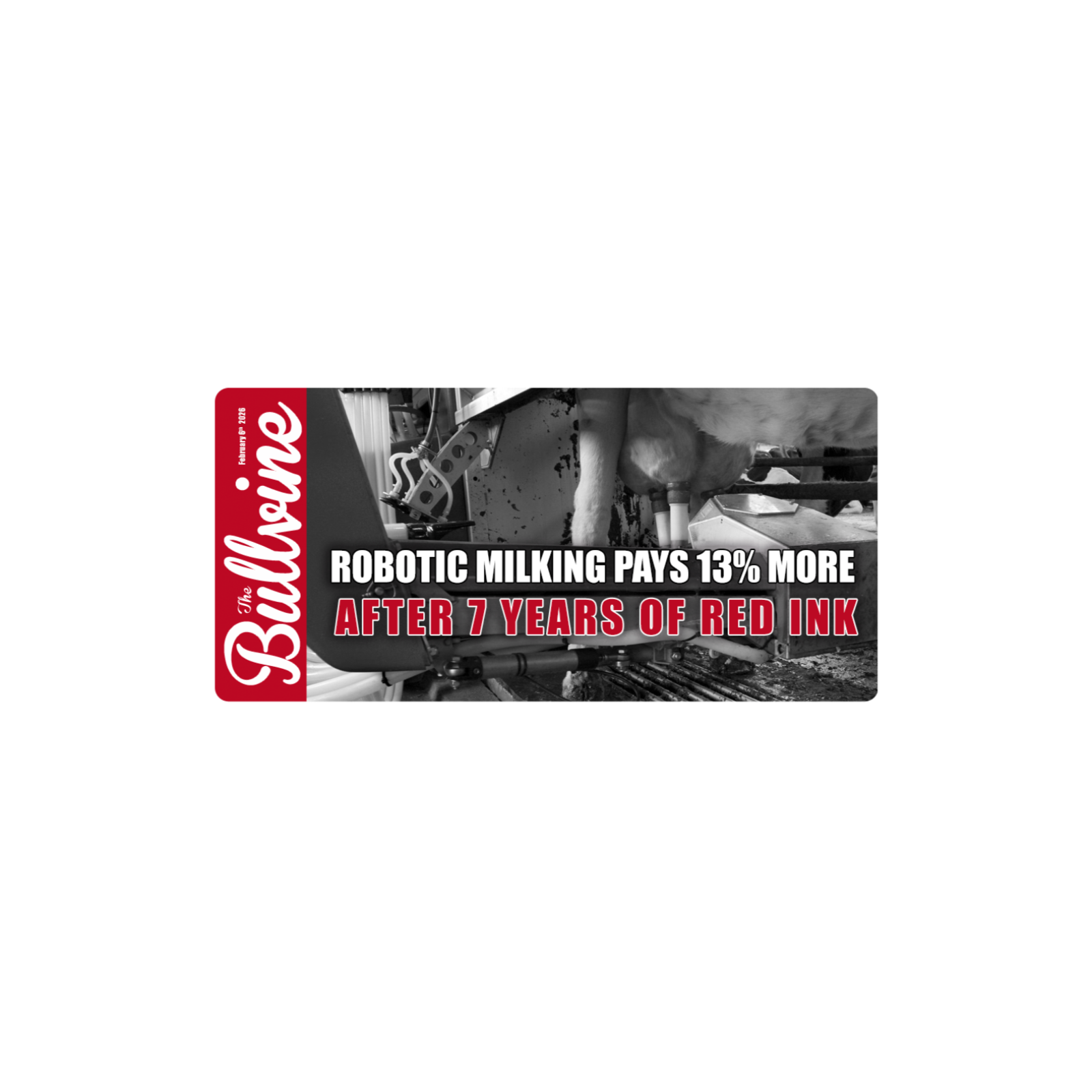
E483 Robotic Milking Pays 13% More – After 7 Years of Red Ink
from The Bullvine
Everyone’s heard the sales pitch: robotic milking boosts production, cuts labor, and “pays for itself.” The latest USDA data even says robots can lift net returns by roughly 13% on average. But buried under that headline is a hard reality most dealers never mention — many herds spend the first seven years in the red just trying to climb out of the cash flow hole. In this episode, The Bullvine takes a scalpel to the numbers, challenging the industry’s robot narrative and laying out a rigorous, economics-first framework to decide whether automation will actually make your dairy more profitable — or just more complicated.Key Takeaways· How USDA’s 2026 AMS profitability study really reads once you separate paper returns from cash flow reality.· The exact cost-per-cwt math comparing a well-run parlor to a box robot — and what that gap demands from production and labor.· Why many “10% production gain” stories are actually barn and cow-comfort wins, not robot miracles.· The maintenance curve nobody budgets for: what happens when annual robot costs jump from $5,000 to $10,000–$15,000 per unit.· Labor savings vs. mental load: why robots can cut hours and still leave you feeling like you’re “never done.”· The one number more predictive than milk per cow for AMS profitability — and how to benchmark your own herd against it.· Concrete decision rules for different starting points: 2X vs. 3X milking, retrofit vs. new build, 7-year vs. 20-year farming horizon.Why Listen This episode doesn’t recycle dealer talking points. It pulls together the newest USDA Economic Research Service report on precision dairy and robotic milking, field-tested cash flow models from Iowa State Extension, large-herd AMS survey data, and international research on farmer well‑being to deliver a brutally honest look at robot economics. You’ll hear how a “profitable” AMS investment on paper can still produce an $8,000+ annual cash flow gap once loan payments and real maintenance costs are factored in — and why a quarter of mature AMS herds report repair bills north of $15,000 per robot per year.For charts, tables, and the full article behind this episode, visit https://www.thebullvine.com/management/robotic-milking/robotic-milking-pays-13-more-after-7-years-of-red-ink/ and look for the feature on robotic milking economics and the 7‑year cash flow valley. Links to key studies and reference materials discussed in the show are available on the episode page.If this kind of data‑driven, myth‑busting analysis helps you think differently about your next investment, subscribe to The Bullvine Podcast and share this episode with someone on your team who’s talking to a robot dealer. Join the conversation with The Bullvine on social media and let us know: where does your cash flow sit in the robot debate, and what numbers are you watching most closely?
Embed this episode
NOW PLAYING
E483 Robotic Milking Pays 13% More – After 7 Years of Red Ink
No transcript for this episode yet
Similar Episodes
No similar episodes found.
Similar Podcasts
No similar podcasts found.