
EPISODE · Mar 25, 2025 · 26 MIN
Egyptian Magic: The Lost Science of Words of Power, Sacred Rituals, and Divine Influence
from Occult Archives · host Falcon Millenium
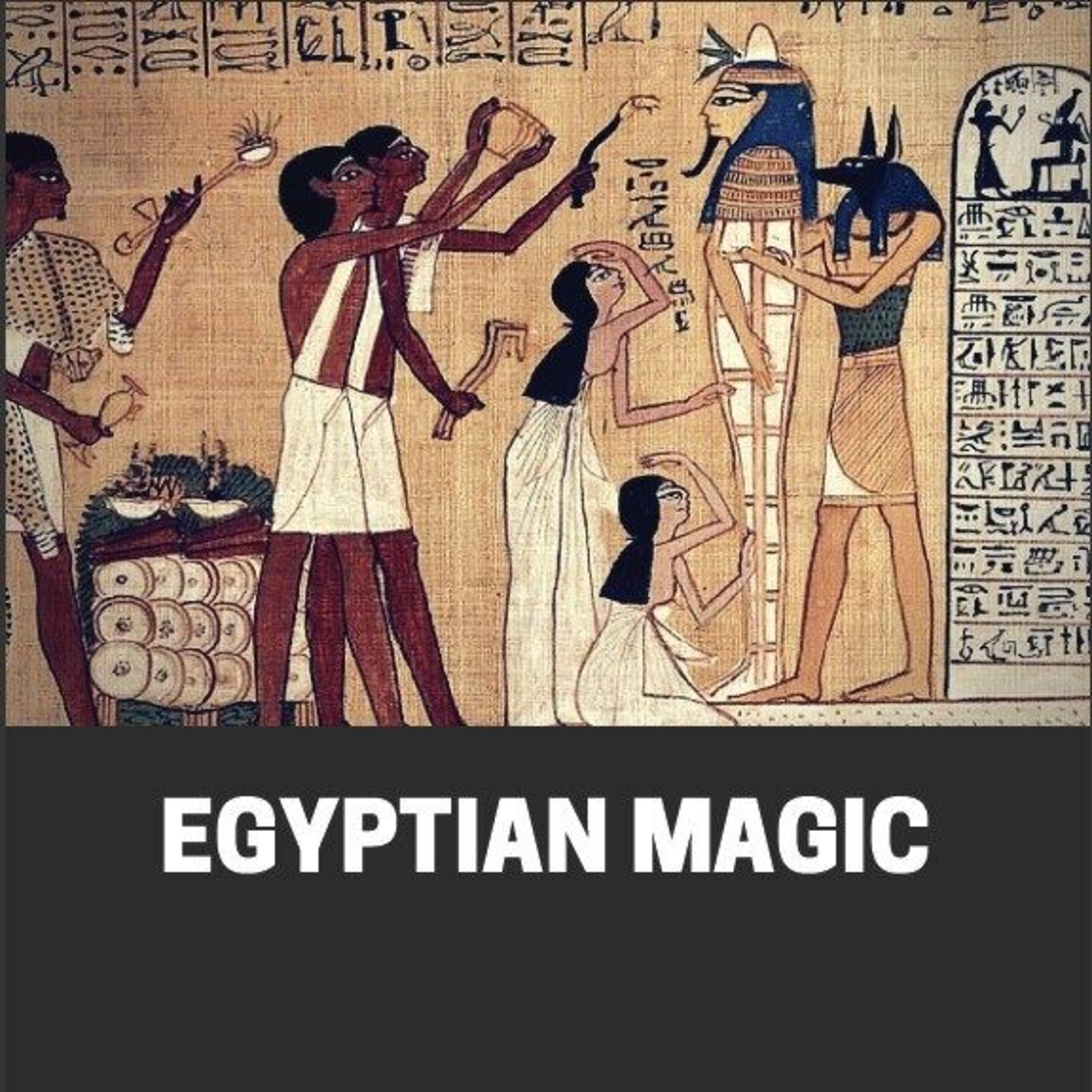
Egyptian Magic by E. A. Wallis Budge is a masterful and comprehensive exploration of the ancient Egyptian belief in the supernatural powers of words, symbols, rituals, and divine authority. Originally published in 1901, this classic work by one of the world’s most esteemed Egyptologists delves into the heart of Egypt's magical traditions, revealing how magic and religion evolved hand in hand in one of the most spiritually complex civilizations in history.Budge opens the book by establishing a fundamental truth: for the ancient Egyptians, magic was not superstition, but a real and integral part of their religious system. To them, words of power—spoken or written—had tangible effects, influencing gods, spirits, and the forces of nature. Magic was the mechanism by which humanity could bridge the mortal world and the divine, and it was employed not only to protect, heal, and bless but also to compel gods and spirits to act in the magician's favor.The book explores the antiquity of magical practices in Egypt, tracing them back to prehistoric times when gods were yet to be conceived in structured theology. In these early eras, Egyptians believed the universe was teeming with invisible beings, both friendly and hostile, whose favor or wrath could be influenced through amulets, symbols, secret names, and spells. Magic provided humans the ability to control these beings—sometimes even overriding the will of gods—through cunning, ritual, and the invocation of higher powers.One of the most remarkable insights Budge offers is the duality of Egyptian magic: "white magic," which aimed to heal, protect, and uplift; and "black magic," which was used to harm or manipulate others. The Egyptians believed that trained priests and magicians could heal the sick, exorcise demons, bestow eternal life, animate the inanimate, and even raise the dead. Rituals involved precise pronunciations of divine names, the use of sacred objects like amulets and magical stones, and ceremonies performed at cosmically significant moments.The text systematically covers key categories of magical tools: enchanted stones and amulets; symbolic figures and images; spells, incantations, and words of power; magical names; and rituals that summoned or repelled spiritual forces. Budge discusses how priests and scribes inscribed these spells into tombs, coffins, and papyri—particularly in texts like the Book of the Dead—to protect the deceased in the afterlife and ensure their resurrection and transformation into divine beings.Budge also illustrates how Egyptian magical beliefs influenced other ancient cultures, including the Hebrews, Greeks, Romans, and early Christians. He draws parallels between the miracles of Moses and the magical feats recorded in ancient Egyptian texts, such as parting waters, transforming rods into serpents, and raising the dead. The enduring legacy of Egyptian magical systems even extended into medieval alchemy and the mysticism of the Hermetic tradition.Egyptian Magic is both a scholarly resource and a spiritual guide, drawing from authentic temple texts, funerary papyri, tomb inscriptions, and ancient artifacts. It unveils a civilization where the spoken word could animate stone, divine names could reshape reality, and the sacred and magical were inseparable. For modern readers, this book offers a rare and invaluable window into the Egyptian mind—a worldview in which knowledge was power, language was divine, and the cosmos could be influenced through ritual and will.Whether you are a historian, esoteric scholar, spiritual seeker, or lover of ancient mysteries, Egyptian Magic remains an essential cornerstone in the study of sacred sciences and metaphysical thought from antiquity.
Embed this episode
NOW PLAYING
Egyptian Magic: The Lost Science of Words of Power, Sacred Rituals, and Divine Influence
No transcript for this episode yet
Similar Episodes
No similar episodes found.