
EPISODE · Feb 10, 2025 · 24 MIN
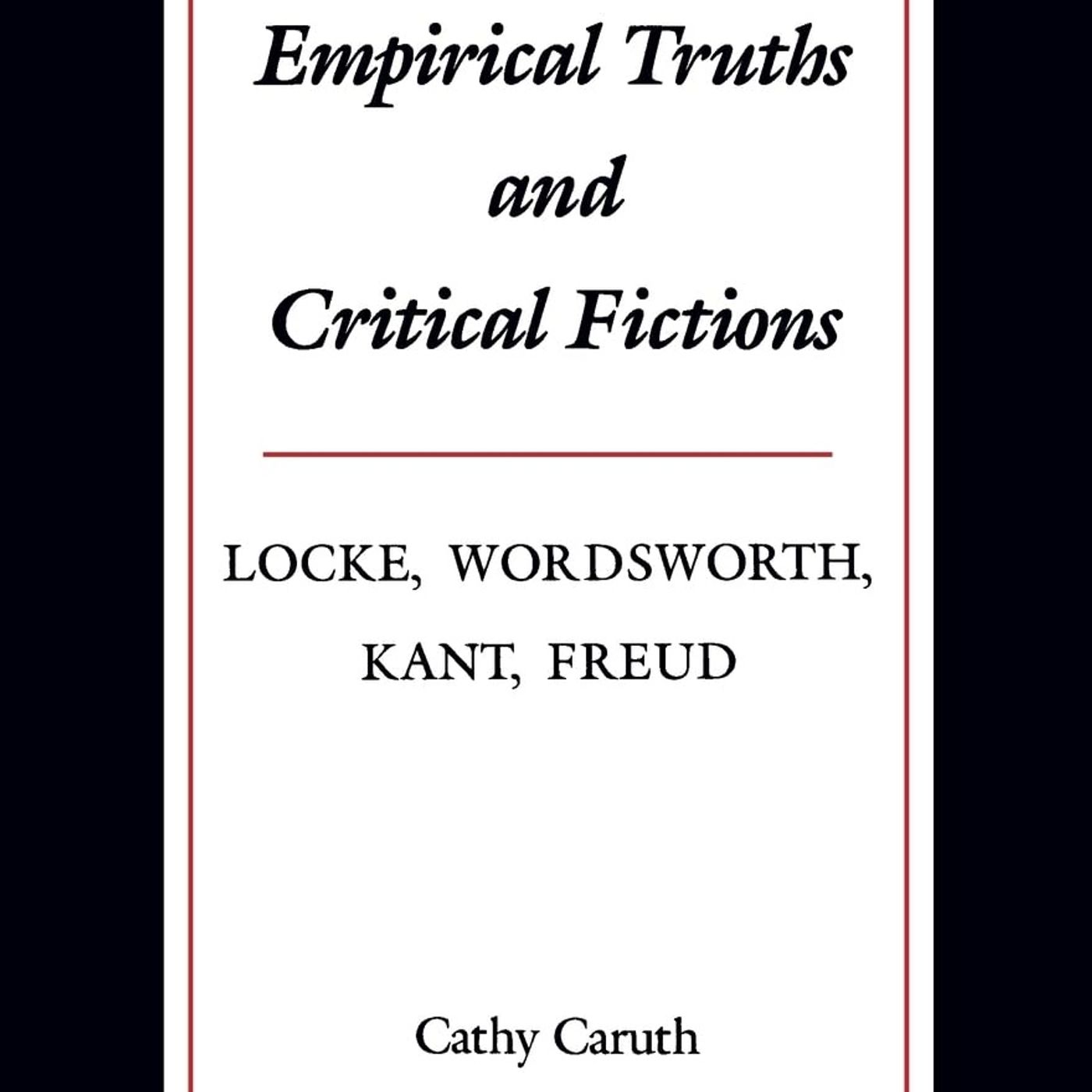
Empirical Truths and Critical Fictions: Locke, Wordsworth, Kant, Freud
from Book Shelter · host Book Shelter
This Book examines how Locke's empiricism, often viewed as a simplistic origin of self-reflection, is re-evaluated through the lenses of Wordsworth's poetry and Kant's philosophy. The author argues that these later thinkers do not simply reject Locke but rather engage with and critique his emphasis on sensory experience as the basis of self-knowledge. The study analyzes the narrative structures and figurative language within Locke's Essay Concerning Human Understanding, Wordsworth's Prelude, and Kant's critical philosophy, revealing a shared concern with the limitations and complexities of self-understanding. By focusing on themes of death, mourning, and the symbolic nature of language, the author demonstrates how these texts grapple with the relationship between experience, theory, and the inherent limitations of language in accessing and representing reality. This exploration extends to Freud's psychoanalytic theories, highlighting the tension between universal structures and individual experiences in understanding the self. Ultimately, the paper reveals the "textuality" of theoretical discourse, suggesting that all attempts at knowledge are inherently entangled with the limitations and figures of language itself.You can listen and download our episodes for free on more than 10 different platforms:https://linktr.ee/book_shelterGet the Book now from Amazon:https://www.amazon.com/Empirical-Truths-Critical-Fictions-Wordsworth/dp/0801892694?&linkCode=ll1&tag=cvthunderx-20&linkId=60c2f77f412d8fa5e6b65a379367c518&language=en_US&ref_=as_li_ss_tlProduced by Podcai Studio:https://www.podcaistudio.com/
What this episode covers
This Book examines how Locke's empiricism, often viewed as a simplistic origin of self-reflection, is re-evaluated through the lenses of Wordsworth's poetry and Kant's philosophy. The author argues that these later thinkers do not simply reject Locke but rather engage with and critique his emphasis on sensory experience as the basis of self-knowledge. The study analyzes the narrative structures and figurative language within Locke's Essay Concerning Human Understanding, Wordsworth's Prelude, and Kant's critical philosophy, revealing a shared concern with the limitations and complexities of self-understanding. By focusing on themes of death, mourning, and the symbolic nature of language, the author demonstrates how these texts grapple with the relationship between experience, theory, and the inherent limitations of language in accessing and representing reality. This exploration extends to Freud's psychoanalytic theories, highlighting the tension between universal structures and individual experiences in understanding the self. Ultimately, the paper reveals the "textuality" of theoretical discourse, suggesting that all attempts at knowledge are inherently entangled with the limitations and figures of language itself.You can listen and download our episodes for free on more than 10 different platforms:https://linktr.ee/book_shelterGet the Book now from Amazon:https://www.amazon.com/Empirical-Truths-Critical-Fictions-Wordsworth/dp/0801892694?&linkCode=ll1&tag=cvthunderx-20&linkId=60c2f77f412d8fa5e6b65a379367c518&language=en_US&ref_=as_li_ss_tlProduced by Podcai Studio:https://www.podcaistudio.com/
NOW PLAYING
Empirical Truths and Critical Fictions: Locke, Wordsworth, Kant, Freud
No transcript for this episode yet
Similar Episodes
No similar episodes found.
Similar Podcasts
No similar podcasts found.