
EPISODE · Jun 13, 2023 · 47 MIN
Energy Justice in Minneapolis
from Rise Up · host the MREA
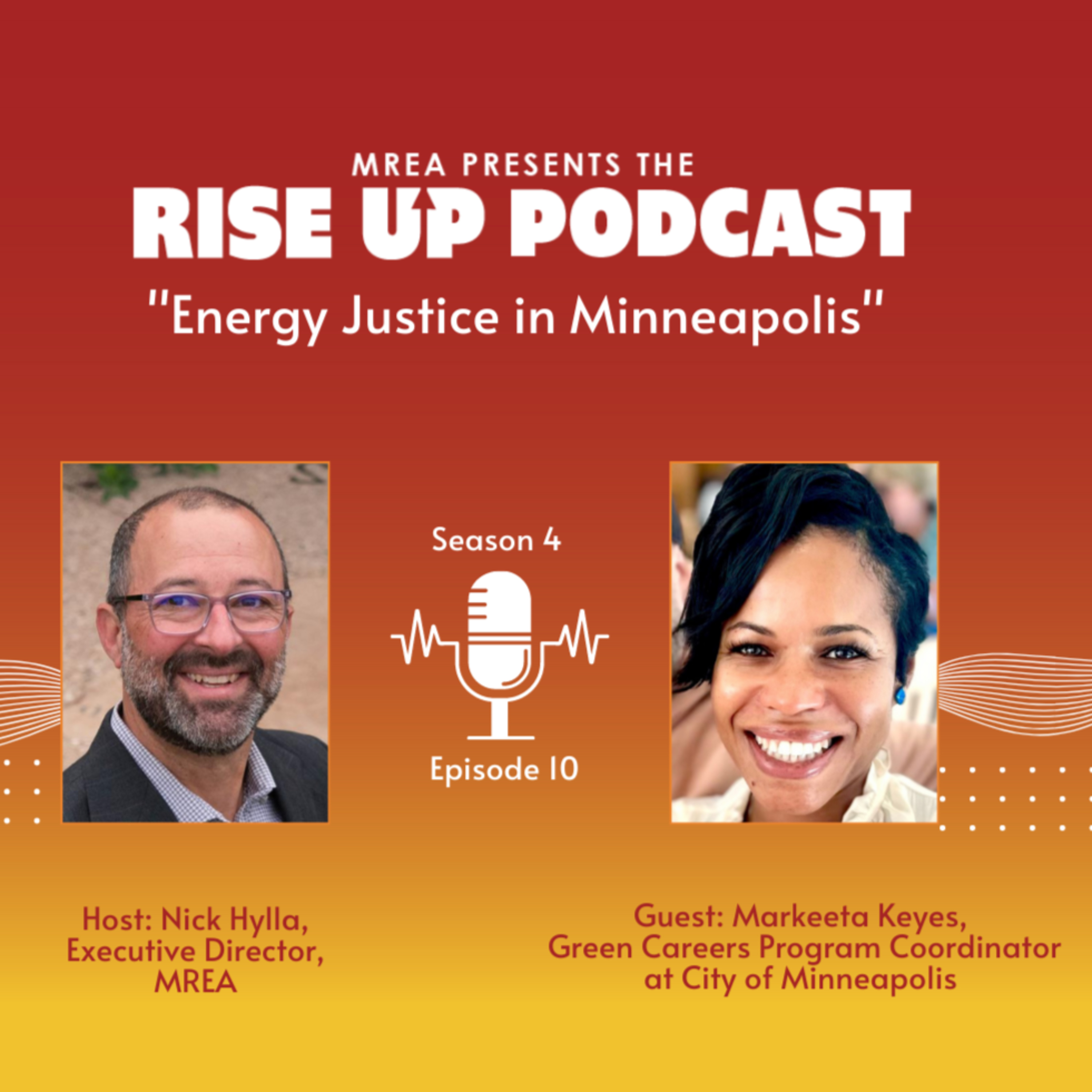
The first and largest US financial maneuver in response to COVID-19 was an unprecedented bailout of Wall Street investors to head off an impending stock market crash. Building upon the “Modern Monetary Theory” implemented to bail out the banking sector after the mortgage default crisis in 2008, the Federal Reserve committed up to $10 trillion in support for investors. As a result, the stock market became a graph of shareholder feelings while 30 million Americans had already filed jobless claims. Millions of Americans live in debt, survive paycheck to paycheck, and work in the service industry which was mothballed - leaving people at home with deep feelings of insecurity. By May 25th 2020, US Billionaires were $434 billion richer on invented money, and we were watching George Floyd die tragically on the North Minneapolis streets at the hands of a police officer. The alleged crime that led to his death? Passing a counterfeit $20 bill. It’s tempting to say the rest is history, but it might be more accurate to say that it’s a continuation of history. North Minneapolis, like many cities in America, continues to suffer from policies established in the early 1900’s that restricted minority home ownership and access to financing. Collectively known as redlining, the policies included racially restricted covenants on property deeds preventing African Americans and other groups from buying homes in much of the City. Over time, the policies evolved to become lending restrictions that blocked access to business loans and home mortgages. In the context of the energy transition, numerous studies show the elevated risk of low-income neighborhoods to pollution caused by the energy industry, that low-income households pay 3 times more of their household income for energy bills than higher income households, and that both of these factors are correlated with historically red-lined areas. In the wake of the financial bailout of investors, hard fought public policy wins over the last two years are set to allocate resources to programs and initiatives working to address the inequities. These include Minneapolis Green Zones, the City’s Green cost share program and Green Careers Exploration program, and the Minneapolis Climate Equity Action Plan. With the passage of the Inflation Reduction Act, significant federal funding is directed to clean energy investments and job training programs in low-income neighborhoods, and the state of Minnesota just passed sweeping legislation that advances environmental protections and clean energy investment in designated environmental justice communities. The prospect of city, state, and federal policies working together to make the next decade of local clean energy development benefit North Minneapolis and other areas of need in the city, is very real. And the people working in the neighborhood to make sure this happens are as real as it gets. We’ve had the privilege of working with a number of local groups to provide solar installation training in North Minneapolis over the last 3 years and are inspired by their accomplishments and the opportunities that they are creating. To discuss the opportunities and challenges, we talked with Markeeta Keyes who leads the Green Careers Exploration program with the City of Minneapolis. Host: Nick Hylla, MREA Executive Director Guest: Markeeta Keyes, Green Careers Program Coordinator, City of Minneapolis
What this episode covers
The first and largest US financial maneuver in response to COVID-19 was an unprecedented bailout of Wall Street investors to head off an impending stock market crash. Building upon the “Modern Monetary Theory” implemented to bail out the banking sector after the mortgage default crisis in 2008, the Federal Reserve committed up to $10 trillion in support for investors. As a result, the stock market became a graph of shareholder feelings while 30 million Americans had already filed jobless claims. Millions of Americans live in debt, survive paycheck to paycheck, and work in the service industry which was mothballed - leaving people at home with deep feelings of insecurity. By May 25th 2020, US Billionaires were $434 billion richer on invented money, and we were watching George Floyd die tragically on the North Minneapolis streets at the hands of a police officer. The alleged crime that led to his death? Passing a counterfeit $20 bill. It’s tempting to say the rest is history, but it might be more accurate to say that it’s a continuation of history. North Minneapolis, like many cities in America, continues to suffer from policies established in the early 1900’s that restricted minority home ownership and access to financing. Collectively known as redlining, the policies included racially restricted covenants on property deeds preventing African Americans and other groups from buying homes in much of the City. Over time, the policies evolved to become lending restrictions that blocked access to business loans and home mortgages. In the context of the energy transition, numerous studies show the elevated risk of low-income neighborhoods to pollution caused by the energy industry, that low-income households pay 3 times more of their household income for energy bills than higher income households, and that both of these factors are correlated with historically red-lined areas. In the wake of the financial bailout of investors, hard fought public policy wins over the last two years are set to allocate resources to programs and initiatives working to address the inequities. These include Minneapolis Green Zones, the City’s Green cost share program and Green Careers Exploration program, and the Minneapolis Climate Equity Action Plan. With the passage of the Inflation Reduction Act, significant federal funding is directed to clean energy investments and job training programs in low-income neighborhoods, and the state of Minnesota just passed sweeping legislation that advances environmental protections and clean energy investment in designated environmental justice communities. The prospect of city, state, and federal policies working together to make the next decade of local clean energy development benefit North Minneapolis and other areas of need in the city, is very real. And the people working in the neighborhood to make sure this happens are as real as it gets. We’ve had the privilege of working with a number of local groups to provide solar installation training in North Minneapolis over the last 3 years and are inspired by their accomplishments and the opportunities that they are creating. To discuss the opportunities and challenges, we talked with Markeeta Keyes who leads the Green Careers Exploration program with the City of Minneapolis. Host: Nick Hylla, MREA Executive Director Guest: Markeeta Keyes, Green Careers Program Coordinator, City of Minneapolis
NOW PLAYING
Energy Justice in Minneapolis
No transcript for this episode yet
Similar Episodes
No similar episodes found.