
EPISODE · Apr 27, 2026 · 36 MIN
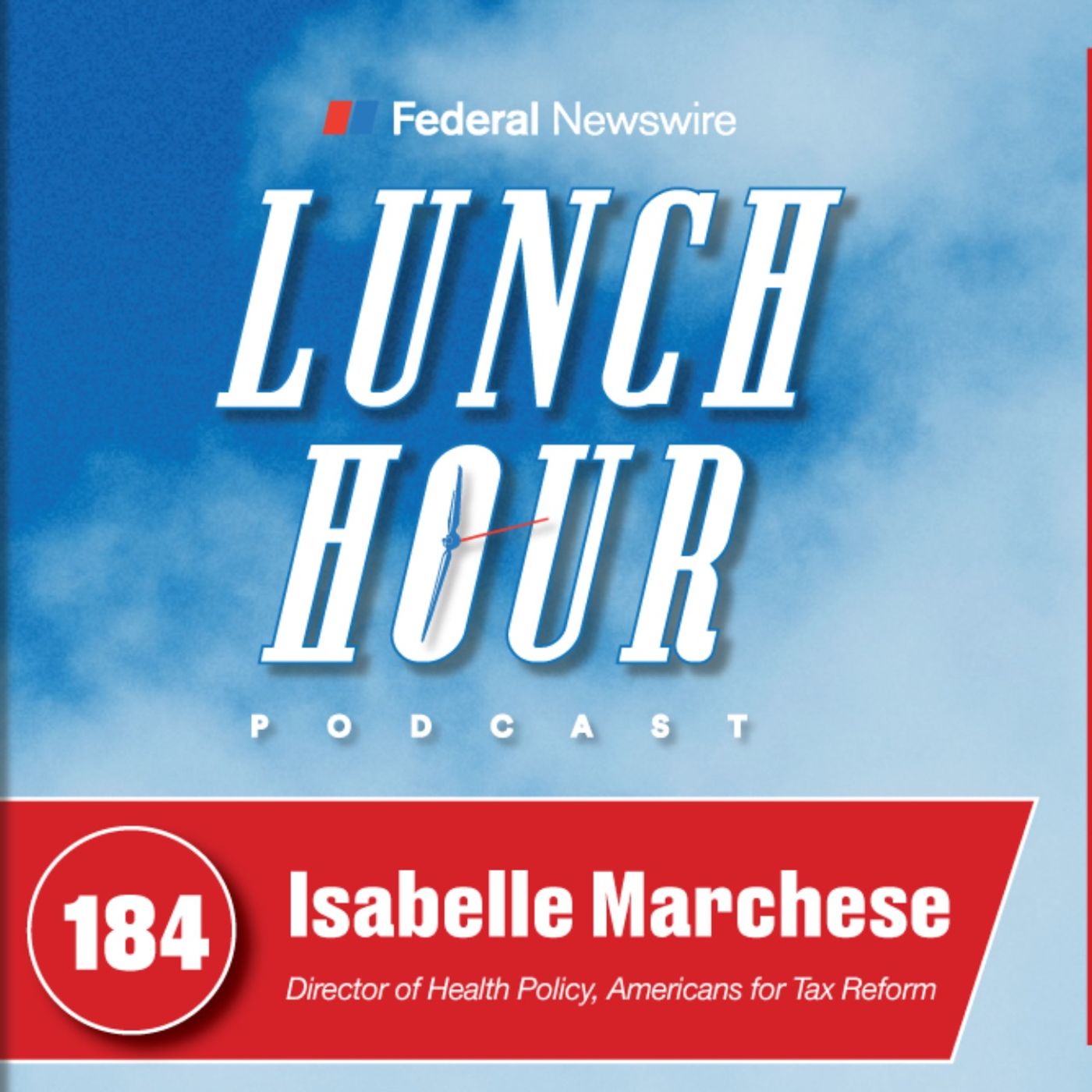
Ep. 184 - Healthcare Costs, Pharma Policy & HSAs: A Market-Based Approach w/Isabelle Marchese
from The Lunch Hour with Federal Newswire · host The Washington Signal
Why does healthcare keep getting more expensive — and are policymakers making the problem worse? On this episode of the Federal Newswire Lunch Hour Podcast, host Andrew Langer sits down with Isabelle Marchese, Director of Health Policy at Americans for Tax Reform, to break down the real drivers behind rising healthcare costs and the policy decisions shaping the system. Marchese explains how government intervention has distorted basic supply-and-demand dynamics in healthcare — increasing demand without expanding supply — and why that imbalance continues to push costs higher for patients. A major focus of the conversation is the growing push for pharmaceutical price controls, including policies like “most favored nation” pricing and provisions in the Inflation Reduction Act. Marchese outlines the unintended consequences of these approaches, particularly their impact on innovation and long-term drug development. The discussion also covers: • Why healthcare should be viewed as a resource economics problem • How supply and demand imbalances drive rising costs • The real impact of pharmaceutical price controls on innovation • Why fewer new drugs could result from current policies • The long-term value of innovation and generic drug development • How intellectual property protections shape medical breakthroughs • The economic realities of drug development (cost, time, and risk) • Why Health Savings Accounts (HSAs) reduce costs for consumers • How HSAs reconnect patients to healthcare spending decisions • Recent policy changes expanding HSAs — and what’s still needed • The role of tariffs in pharmaceutical policy and supply chains • The risks of overregulation and government “tinkering” • Why ideological consistency matters in healthcare policy debates The conversation also explores a broader theme: how political incentives and short-term thinking often lead to policies that feel popular in the moment but create long-term challenges for innovation, affordability, and access. At its core, the episode makes the case that sustainable healthcare reform requires aligning incentives, expanding supply, and allowing market forces to work — rather than relying on heavy-handed policy interventions. 00:00 — Intro + Isabelle Marchese joins 00:35 — Early interest in politics and healthcare 02:18 — Healthcare as a supply and demand problem 03:28 — Why costs rise when supply doesn’t increase 04:23 — Americans for Tax Reform’s healthcare focus 05:02 — Pharmaceutical policy and price control debates 06:17 — Inflation Reduction Act and drug pricing impacts 07:19 — How price controls affect innovation 08:29 — Why fewer drugs could be developed 09:18 — Generic drugs and long-term cost reductions 10:59 — Economics of drug development explained 12:24 — Why investment depends on recouping costs 13:33 — Ideological consistency in policy debates 15:00 — Political incentives and policy contradictions 17:15 — Health Savings Accounts (HSAs) explained 18:26 — How HSAs lower healthcare costs 19:14 — Vision for expanding HSAs 20:22 — Healthcare vs insurance: key differences 21:57 — Market forces and consumer behavior 22:22 — Recent HSA policy changes 23:22 — Why reform efforts stall 25:21 — Tariffs and pharmaceutical supply chains 26:19 — National security vs economic tradeoffs 27:33 — Free rider problem and global pricing 29:45 — Final thoughts on healthcare reform 31:00 — Outside interests: cooking and food prep 34:59 — Closing Follow us on social mediaX: @TheLunchHourPodInstagram: the_lunchhour_podLinkedIn: Lunch Hour PodcastTikTok: lunchhourpod Find more at Washington SignalYour source for policy, national security, and investigative journalism.https://washingtonsignal.com/
NOW PLAYING
Ep. 184 - Healthcare Costs, Pharma Policy & HSAs: A Market-Based Approach w/Isabelle Marchese
No transcript for this episode yet
Similar Episodes
No similar episodes found.
Similar Podcasts
No similar podcasts found.