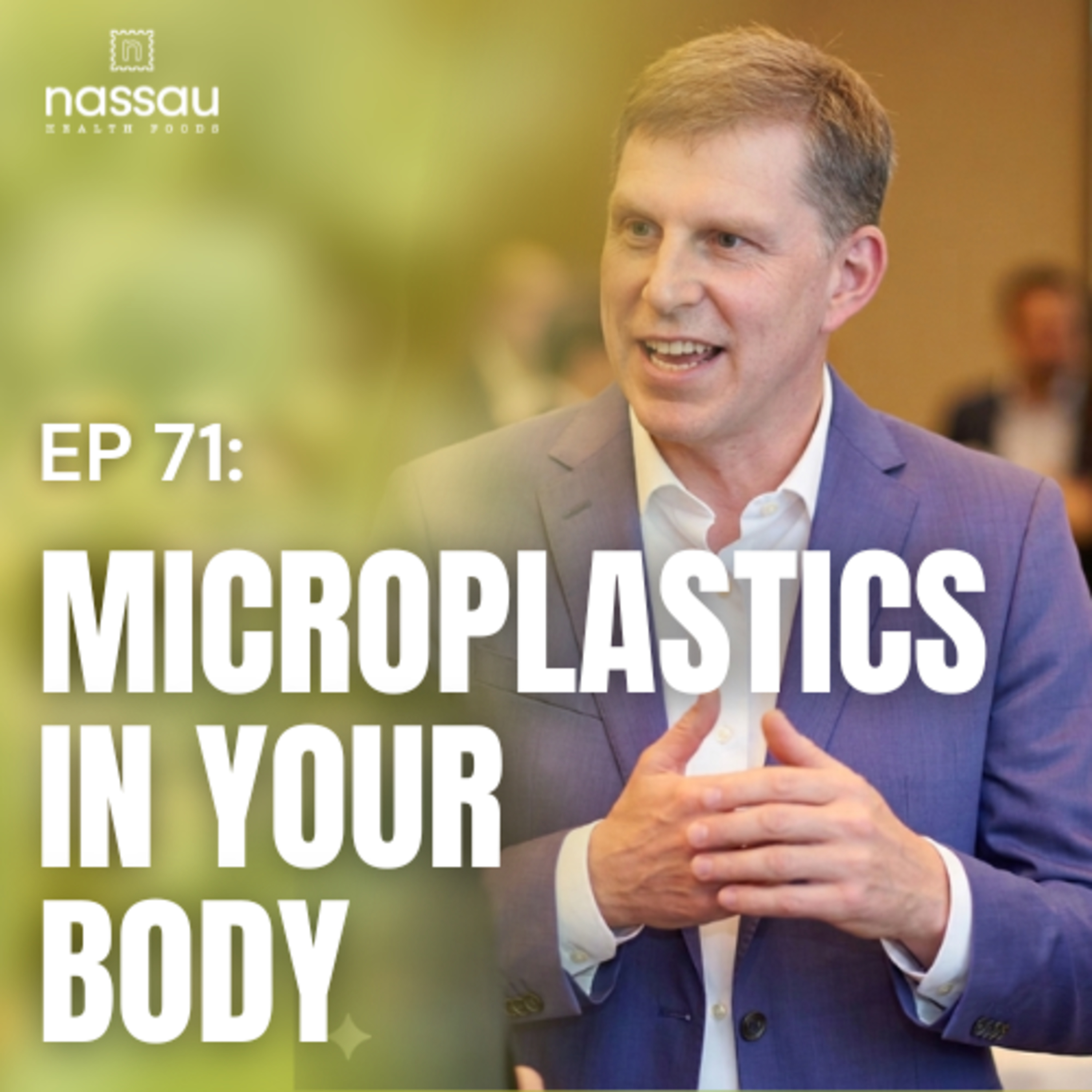
EP 71: PFAS and Microplastics: What You Need to Know, Series 2/4 episode artwork

EPISODE · Mar 9, 2026 · 11 MIN

EP 71: PFAS and Microplastics: What You Need to Know, Series 2/4

from Organic Living Secrets - Amelia Island by Nassau Health Foods · host Nassau Health Foods - Steve Adams

PFAS and microplastics are two environmental topics that are appearing more frequently in the news — but what do they actually mean for your health?In this episode, Dr. Daniel Kessler, a board-certified family medicine physician trained at Mayo Clinic with experience at the Centers for Disease Control’s National Center for Environmental Health, breaks down these complex environmental issues in clear, practical terms.Dr. Kessler explains what PFAS, often called “forever chemicals,” are and why they have become such a major topic of discussion. These man-made chemicals have been used since the 1940s in products like non-stick cookware, stain-resistant fabrics, water-resistant clothing, fast food packaging, cosmetics, and dental floss. Because they resist breaking down in the environment, they can persist in soil, water, and even the human body.The conversation also explores microplastics, which are extremely small pieces of plastic created as larger plastics break down. Studies have detected microplastics in human blood, lung tissue, placentas, and even carotid arteries. Early research suggests they may contribute to inflammation in the body, although scientists are still working to fully understand their health effects.Most importantly, this episode focuses on practical awareness rather than fear. Dr. Kessler shares simple steps people can take to reduce exposure, including filtering drinking water, reducing certain household products, and reconsidering how plastics are used with food and beverages.This conversation is designed to help listeners better understand environmental exposures and make informed choices for themselves and their families.00:00 Organic Living Intro00:51 PFAS Explained05:45 Microplastics Unveiled09:46 Organic Shopping Guide11:27 Conclusion5 Key Takeaways1. PFAS are called “forever chemicals.”PFAS are man-made chemicals used since the 1940s that resist water, oil, and heat, and they persist in the environment and the human body.2. PFAS are found in many everyday products.Examples include non-stick cookware, stain-resistant fabrics, water-resistant jackets, fast-food wrappers, cosmetics, and dental floss.3. Microplastics are extremely small plastic particles.They can come from the breakdown of larger plastic items, synthetic clothing fibers, packaging materials, and other sources.4. Microplastics have been detected in the human body.Studies have identified microplastics in blood, lung tissue, placenta, and carotid arteries.5. Simple steps can help reduce exposure.Filtering drinking water, reducing certain non-stick or stain-resistant products, avoiding microwaving plastic containers, and switching to glass or stainless-steel containers are practical actions discussed in the episode.Watch the full episode here: https://youtu.be/ehxaYte7lEoListen to Series 2/4 here: https://open.spotify.com/episode/0CWaky7MiVeqAugq1fQQLe?si=qP5OxqApTHaH-4mER946CA👉 Shop online anytime at https://nassauhealthfood.com/📍 Or visit us at 833 T.J. Courson Rd., Fernandina Beach, FL 32034

PFAS and microplastics are two environmental topics that are appearing more frequently in the news — but what do they actually mean for your health?In this episode, Dr. Daniel Kessler, a board-certified family medicine physician trained at Mayo Clinic with experience at the Centers for Disease Control’s National Center for Environmental Health, breaks down these complex environmental issues in clear, practical terms.Dr. Kessler explains what PFAS, often called “forever chemicals,” are and why they have become such a major topic of discussion. These man-made chemicals have been used since the 1940s in products like non-stick cookware, stain-resistant fabrics, water-resistant clothing, fast food packaging, cosmetics, and dental floss. Because they resist breaking down in the environment, they can persist in soil, water, and even the human body.The conversation also explores microplastics, which are extremely small pieces of plastic created as larger plastics break down. Studies have detected microplastics in human blood, lung tissue, placentas, and even carotid arteries. Early research suggests they may contribute to inflammation in the body, although scientists are still working to fully understand their health effects.Most importantly, this episode focuses on practical awareness rather than fear. Dr. Kessler shares simple steps people can take to reduce exposure, including filtering drinking water, reducing certain household products, and reconsidering how plastics are used with food and beverages.This conversation is designed to help listeners better understand environmental exposures and make informed choices for themselves and their families.00:00 Organic Living Intro00:51 PFAS Explained05:45 Microplastics Unveiled09:46 Organic Shopping Guide11:27 Conclusion5 Key Takeaways1. PFAS are called “forever chemicals.”PFAS are man-made chemicals used since the 1940s that resist water, oil, and heat, and they persist in the environment and the human body.2. PFAS are found in many everyday products.Examples include non-stick cookware, stain-resistant fabrics, water-resistant jackets, fast-food wrappers, cosmetics, and dental floss.3. Microplastics are extremely small plastic particles.They can come from the breakdown of larger plastic items, synthetic clothing fibers, packaging materials, and other sources.4. Microplastics have been detected in the human body.Studies have identified microplastics in blood, lung tissue, placenta, and carotid arteries.5. Simple steps can help reduce exposure.Filtering drinking water, reducing certain non-stick or stain-resistant products, avoiding microwaving plastic containers, and switching to glass or stainless-steel containers are practical actions discussed in the episode.Watch the full episode here: https://youtu.be/ehxaYte7lEoListen to Series 2/4 here: https://open.spotify.com/episode/0CWaky7MiVeqAugq1fQQLe?si=qP5OxqApTHaH-4mER946CA👉 Shop online anytime at https://nassauhealthfood.com/📍 Or visit us at 833 T.J. Courson Rd., Fernandina Beach, FL 32034

NOW PLAYING

EP 71: PFAS and Microplastics: What You Need to Know, Series 2/4

0:00 11:32

No transcript for this episode yet

We transcribe on demand. Request one and we'll notify you when it's ready — usually under 10 minutes.

No similar episodes found.

No similar podcasts found.

Frequently Asked Questions

How long is this episode of Organic Living Secrets - Amelia Island by Nassau Health Foods?

This episode is 11 minutes long.

When was this Organic Living Secrets - Amelia Island by Nassau Health Foods episode published?

This episode was published on March 9, 2026.

What is this episode about?

PFAS and microplastics are two environmental topics that are appearing more frequently in the news — but what do they actually mean for your health?In this episode, Dr. Daniel Kessler, a board-certified family medicine physician trained at Mayo...

Can I download this Organic Living Secrets - Amelia Island by Nassau Health Foods episode?

Yes, you can download this episode by clicking the download button on the episode player, or subscribe to the podcast in your preferred podcast app for automatic downloads.
URL copied to clipboard!