
EPISODE · Aug 1, 2025 · 40 MIN
Ep. 9: The Impact of Training Asymmetry on Riding Performance
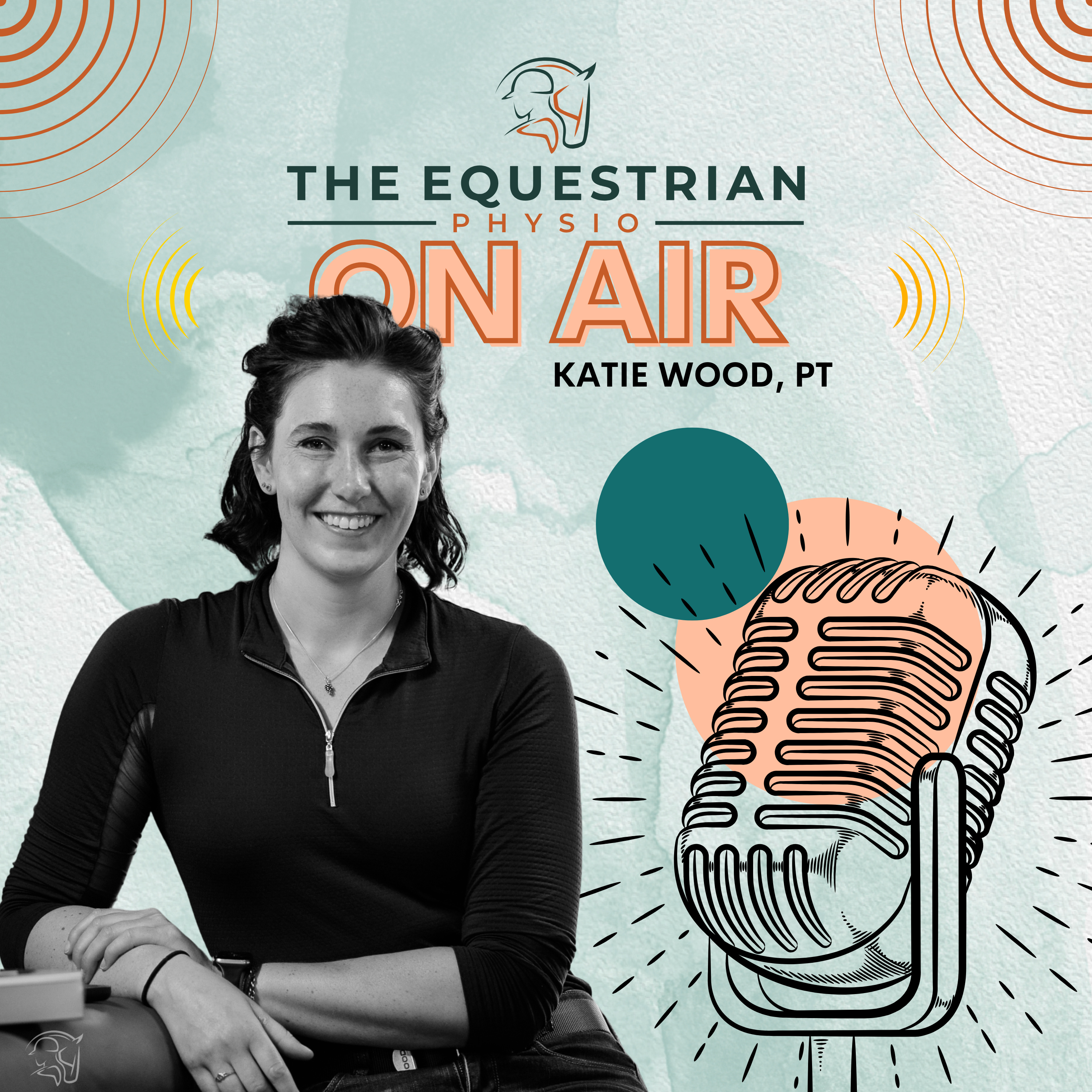
from The Equestrian Physio: On Air · host Katie Wood
In this episode of Equestrian Physio on Air, we dive into the complex relationship between gym training asymmetries and their potential impact on riding performance. We discuss the importance of critical thinking in evaluating claims about asymmetry (and in general), the benefits of both bilateral and unilateral training, and the necessity of movement variability. We see this all the time online: concerns that squatting, deadlifting, or pressing with a small hip shift or rotational bias will reinforce asymmetries and make you more crooked in the saddle. But let’s not just parrot that – let’s break it down:We’re asking:Does lifting with mild asymmetry actually cause one-sided development?Does that matter for our riding?Do the benefits of bilateral training outweigh the risks?What even is “perfect” movement, and should we be chasing it?Can movement variability actually help, not hurt?How do we manage or prevent the risks?TakeawaysAsymmetry in the gym may affect riding performance.Critical thinking is essential when evaluating training claims.Bilateral lifts can provide greater strength/hypertrophy/neuromuscular gains than unilateral lifts.But unilateral training can help reduce asymmetry in athletes.Movement variability is beneficial for injury prevention, too.Riders often develop asymmetries over time due to various factors.Perfect movement is a myth; variability is normal and healthy.Strength training builds confidence and resilience in riders.Monitoring and addressing asymmetries can enhance performance. Chapters00:00 Introduction to Equestrian Physio and Topic Overview05:37 Exploring Asymmetry in Gym Training and Riding20:13 The Impact of Asymmetry on Riding Performance32:17 Balancing Bilateral and Unilateral Training37:51 Strategies for Managing Asymmetry in TrainingKeywordsequestrian, physiotherapy, strength training, asymmetry, gym performance, riding performance, unilateral training, bilateral training, injury prevention, equestrian athletesCome say hi!Instagram: @theequestrianphysioFacebook: @theequestrianptTikTok: @theequestrianphysioWebsite: theequestrianphysio.caGet the Training App!Empowering equestrian athletes of all levels and disciplines with evidence-informed rehab, strength & conditioning, care and education.
What this episode covers
In this episode of Equestrian Physio on Air, we dive into the complex relationship between gym training asymmetries and their potential impact on riding performance. We discuss the importance of critical thinking in evaluating claims about asymmetry (and in general), the benefits of both bilateral and unilateral training, and the necessity of movement variability. We see this all the time online: concerns that squatting, deadlifting, or pressing with a small hip shift or rotational bias will reinforce asymmetries and make you more crooked in the saddle. But let’s not just parrot that – let’s break it down:We’re asking:Does lifting with mild asymmetry actually cause one-sided development?Does that matter for our riding?Do the benefits of bilateral training outweigh the risks?What even is “perfect” movement, and should we be chasing it?Can movement variability actually help, not hurt?How do we manage or prevent the risks?TakeawaysAsymmetry in the gym may affect riding performance.Critical thinking is essential when evaluating training claims.Bilateral lifts can provide greater strength/hypertrophy/neuromuscular gains than unilateral lifts.But unilateral training can help reduce asymmetry in athletes.Movement variability is beneficial for injury prevention, too.Riders often develop asymmetries over time due to various factors.Perfect movement is a myth; variability is normal and healthy.Strength training builds confidence and resilience in riders.Monitoring and addressing asymmetries can enhance performance. Chapters00:00 Introduction to Equestrian Physio and Topic Overview05:37 Exploring Asymmetry in Gym Training and Riding20:13 The Impact of Asymmetry on Riding Performance32:17 Balancing Bilateral and Unilateral Training37:51 Strategies for Managing Asymmetry in TrainingKeywordsequestrian, physiotherapy, strength training, asymmetry, gym performance, riding performance, unilateral training, bilateral training, injury prevention, equestrian athletesCome say hi!Instagram: @theequestrianphysioFacebook: @theequestrianptTikTok: @theequestrianphysioWebsite: theequestrianphysio.caGet the Training App!Empowering equestrian athletes of all levels and disciplines with evidence-informed rehab, strength & conditioning, care and education.
NOW PLAYING
Ep. 9: The Impact of Training Asymmetry on Riding Performance
No transcript for this episode yet
Similar Episodes
Dec 5, 2025 ·50m
Oct 9, 2025 ·33m
Oct 3, 2025 ·40m
Sep 11, 2025 ·31m
Aug 27, 2025 ·39m
Aug 18, 2025 ·54m