PodParley PodParley

Episode 160 Construct a Constructivist Classroom…Starring Kennedy Borcoman

This episode is about Constructivist Learning. Here’s a definition from the University of Buffalo: Constructivism is the theory that says learners construct knowledge rather than just passively take in information. As people experience the world and...

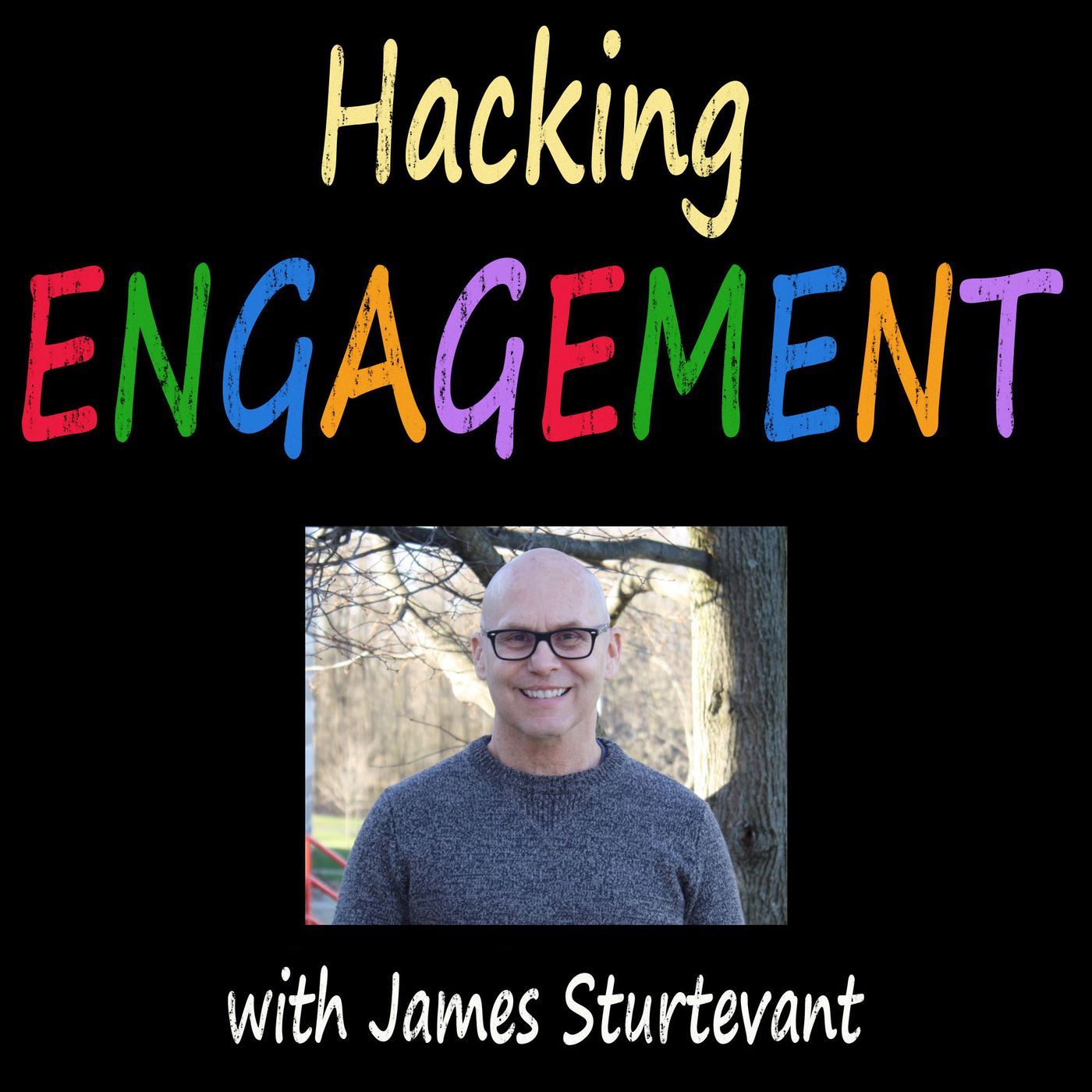
Episode 160 of the James Sturtevant Hacking Engagement podcast, hosted by James Sturtevant, titled "Episode 160 Construct a Constructivist Classroom…Starring Kennedy Borcoman" was published on October 16, 2022 and runs 33 minutes.

October 16, 2022 ·33m · James Sturtevant Hacking Engagement

0:00 / 0:00

This episode is about Constructivist Learning. Here’s a definition from the University of Buffalo:Constructivism is the theory that says learners construct knowledge rather than just passively take in information. As people experience the world and reflect upon those experiences, they build their own representations and incorporate new information into their pre-existing knowledge (schemas).I grew up in the pretty rolling eastern part of Ohio. We had beautiful woods behind my house. As a boy, I’d wander those woods. I couldn’t tell a maple from an oak, but I loved being in those tall trees. In science class, my attention often wandered and my grades suffered. But the hands-on parts engaged me more. One project I actually loved and it made a lasting impression. In one of my high school science classes, I don’t even remember which, we were tasked to collect leaf specimens for a display and a presentation. For a week after football practice, I would wander the woods behind our house and collect colorful leaves. It was exhilarating. I learned a bunch about the trees that I had always appreciated but knew little about. I filtered my new knowledge through my extensive experience of walking in those woods. I developed a new understanding of how the forest functioned. As I learned about the trees I became passionate about sharing my new knowledge, my passion, and my interpretation of the natural beauty behind my house. I became curious about trees and sought more information. I still vividly remember this project and virtually nothing else about that science class. This project was assigned to me over 4 decades ago! When I ask students to recall powerful learning experiences, they often point to something similar. It could be a capstone project or a breakthrough where they finally learned how to do something or mastered a skill. In most cases, students point to a memory where they were actively making sense of something—like the differences in the trees in the woods behind my house. . Now, consider every class that you’ve been assigned to teach. If you’re like me, and I’ll wager that you are, you must figure out the curriculum guide or the syllabus. It becomes like a hands-on science project and is often confusing at first. It only starts to make sense once you implement your spin informed by your perspective. When I teach a new class, my lessons generally end up looking quite different from whoever taught the class previously. Of course, in the opinion of your humble narrator, my version of the class is always superior. The process that I just described is Constructivist Learning. All learners, including teachers preparing to teach a class, construct meaning from their own perspective. This may lead to diverse understanding and creations, but that’s okay. We educators should embrace this variety. On the other hand, I often ask my students, “How would you do if you had to retake last semester’s final exams?” Most grimace and predict that they wouldn’t do well. This is depressing. It points to the reality that many educators assess a lot of short-term memory. I’m not trying to come off as superior. I’ve done my share of it too. However, such learning events don’t make much of an impression. And this dear listener is where Kennedy Borcoman makes a dramatic appearance.

This episode is about Constructivist Learning. Here’s a definition from the University of Buffalo:
Constructivism is the theory that says learners construct knowledge rather than just passively take in information. As people experience the world and reflect upon those experiences, they build their own representations and incorporate new information into their pre-existing knowledge (schemas).
I grew up in the pretty rolling eastern part of Ohio. We had beautiful woods behind my house. As a boy, I’d wander those woods. I couldn’t tell a maple from an oak, but I loved being in those tall trees.

In science class, my attention often wandered and my grades suffered. But the hands-on parts engaged me more. One project I actually loved and it made a lasting impression. In one of my high school science classes, I don’t even remember which, we were tasked to collect leaf specimens for a display and a presentation. For a week after football practice, I would wander the woods behind our house and collect colorful leaves. It was exhilarating. I learned a bunch about the trees that I had always appreciated but knew little about. I filtered my new knowledge through my extensive experience of walking in those woods. I developed a new understanding of how the forest functioned. As I learned about the trees I became passionate about sharing my new knowledge, my passion, and my interpretation of the natural beauty behind my house. I became curious about trees and sought more information. I still vividly remember this project and virtually nothing else about that science class. This project was assigned to me over 4 decades ago!

When I ask students to recall powerful learning experiences, they often point to something similar. It could be a capstone project or a breakthrough where they finally learned how to do something or mastered a skill. In most cases, students point to a memory where they were actively making sense of something—like the differences in the trees in the woods behind my house.
.
Now, consider every class that you’ve been assigned to teach. If you’re like me, and I’ll wager that you are, you must figure out the curriculum guide or the syllabus. It becomes like a hands-on science project and is often confusing at first. It only starts to make sense once you implement your spin informed by your perspective. When I teach a new class, my lessons generally end up looking quite different from whoever taught the class previously. Of course, in the opinion of your humble narrator, my version of the class is always superior.

The process that I just described is Constructivist Learning. All learners, including teachers preparing to teach a class, construct meaning from their own perspective. This may lead to diverse understanding and creations, but that’s okay. We educators should embrace this variety.

On the other hand, I often ask my students, “How would you do if you had to retake last semester’s final exams?” Most grimace and predict that they wouldn’t do well. This is depressing. It points to the reality that many educators assess a lot of short-term memory. I’m not trying to come off as superior. I’ve done my share of it too. However, such learning events don’t make much of an impression.

And this dear listener is where Kennedy Borcoman makes a dramatic appearance.
The James Dunne Show - Running Podcast James Dunne James Dunne is a runner, coach and sport rehabilitation therapist, best known for founding the popular online running resource Kinetic Revolution. Best described as not having been blessed with a typical runner's physique, James helps listeners navigate their running journey, while he explores his training and running performance. The Pemmy, Krissi & James Kinda-Sorta-Hopefully Funny Cartoon Podcast James Irish, Krissi Harding & Pembroke W Korgi The Pemmy, Krissi & James Kinda-Sorta-Hopefully Funny Cartoon Podcast is a misadventure into the wide world of animation. Noted webcomic artist Pembroke W. Korgi is joined by Krissi Harding and James Irish to look back on Saturday Morning favorites, syndicated series, theatrical short subjects, Anime classics, and more! Pour a bowl of your favorite breakfast cereal and come join us! James Ledbetter Pastor James Ledbetter We have been called by God’s grace to serve the lost and the Church in multi-faceted ways."Mark 16:15 And he said unto them, Go ye into all the world, and preach the gospel to every creature".As it says in Matthew 24:14, “And this gospel of the kingdom shall be preached in all the world for a witness unto all nations; and then shall the end come”. Partner with us today and help the Gospel get spread in the name of Jesus, Amen! Mastery For All with Mr. James O'Neal James O'Neal, Jr. Mastery for all, empowered by equity for all, through the belief of expectations for all. This is the charge that James has in making sure that everyone involved in the schooling; students, teachers, parents, administration, will reach their level of mastery. James shares his expertise as a keynote speaker, national board certified math teacher, and a 14 year veteran in the space of education. James will have you crying, laughing, thinking, and most of all engaging those in your circle to reach mastery. His heart for all stakeholders in charge of empowering all youth is evident in his commitment and language. James knows the struggle that millions of students face as they strive for greatness in the education system. He has found success in loving students and pulling out the brilliance they already possess. To see videos and request booking please visit www.mrjamesoneal.com or email us at [email protected]. FB/IG: @mr.jamesonealLI/TW: @mrjamesoneal
URL copied to clipboard!