
EPISODE · Oct 16, 2025 · 1H 14M
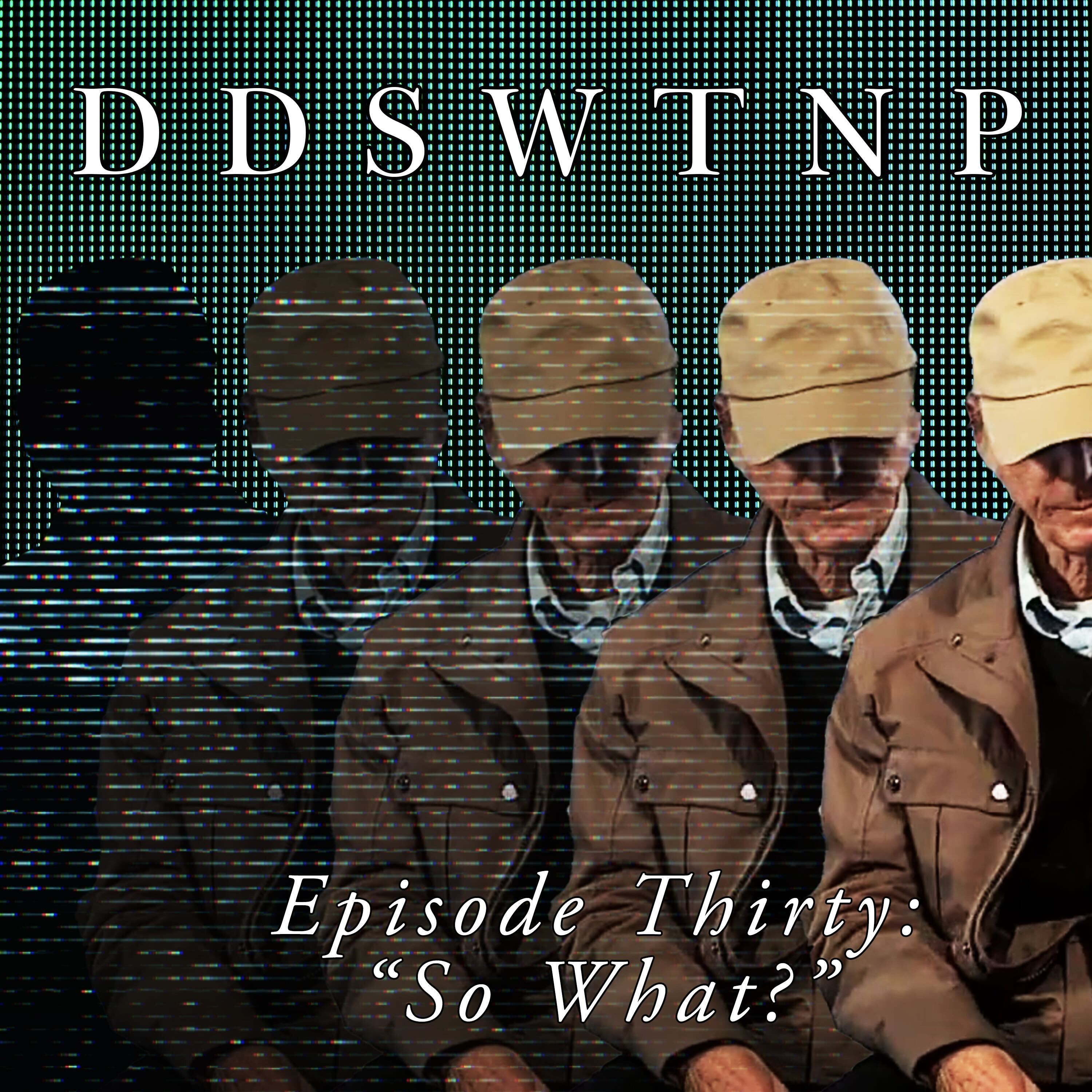
Episode 30: "So What?"
from Don DeLillo Should Win the Nobel Prize · host Jeffrey Severs & Michael Streit
In Episode 30, DDSWTNP once again use the occasion of the Nobel Prize (which on October 9, 2025, was awarded to Hungarian author László Krasznahorkai) to talk about a prize Don DeLillo did win: the 2013 Library of Congress Prize for American Fiction. We dig into the award presentation and an interview he gave then about his whole career, from how he begins his novels and finds their structures, to the reading he did on a park bench in the 1950s, the influence advertising work had on his writing, and the inspiration he has found in the artistry of jazz and film. This episode culminates on the title question, “So what?”, which is the revealing remark DeLillo remembers making upon seeing Americana in published form – and a key, we think, to understanding the humility, ambition, and restless work ethic that has driven his work over the five decades since. For the reader new to DeLillo, this interview and episode offer a good overview of his major concerns and literary techniques. And for readers at any stage with DeLillo’s fiction, this one also goes well with our previous two Nobel episodes, 3 and 17, where we discuss his “The Artist Naked in a Cage” and “A History of the Writer Alone in a Room.” Listen to this episode too for many other callbacks to our earlier episodes, including 5 and 28. For video of the Library of Congress Prize presentation and the interview of DeLillo conducted by Marie Arana, an editor at the Washington Post, go to: https://www.youtube.com/watch?v=AObZbCKlEc8&t=722s Thanks for pointing out and providing some sources for this episode to: Tim Personn (https://linktr.ee/timpersonn), Joel in Toronto, and Curt Gardner (https://perival.com/delillo/delillo.html). Texts and passages referred to in this episode: John Freeman, “Q & A: Don DeLillo – It’s not as easy as it looks,” San Francisco Chronicle, March 5, 2006. (On DeLillo seeing the film Satantango; see an excerpt at https://perival.com/delillo/ddinterviews.html) From William Gaddis’s J R, Gibbs’s thoughts on writing a novel: “Sixteen years like living with a God damned invalid sixteen years every time you come in sitting there waiting just like you left him wave his stick at you, plump up his pillow cut a paragraph add a sentence hold his God damned hand little warm milk add a comma slip out for some air pack of cigarettes come back in right where you left him, eyes follow you around the room wave his God damned pillow change bandage read aloud move a clause around wipe his chin new paragraph God damned eyes follow you out stay a week, stay a month whole God damned year think about something else, God damned friends asking how he’s coming along all expect him out any day don’t want bad news no news rather hear lies, big smile out any day now, walk down the street God damned sunshine begin to think maybe you’ll meet him maybe cleared things up got out by himself come back open the God damned door right there where you left him . . .” David Foster Wallace, “The Nature of the Fun” (1998). Reprinted in Both Flesh and Not: Essays (2012).
Embed this episode
What this episode covers
In Episode 30, DDSWTNP once again use the occasion of the Nobel Prize (which on October 9, 2025, was awarded to Hungarian author László Krasznahorkai) to talk about a prize Don DeLillo did win: the 2013 Library of Congress Prize for American Fiction. We dig into the award presentation and an interview he gave then about his whole career, from how he begins his novels and finds their structures, to the reading he did on a park bench in the 1950s, the influence advertising work had on his writing, and the inspiration he has found in the artistry of jazz and film. This episode culminates on the title question, “So what?”, which is the revealing remark DeLillo remembers making upon seeing Americana in published form – and a key, we think, to understanding the humility, ambition, and restless work ethic that has driven his work over the five decades since. For the reader new to DeLillo, this interview and episode offer a good overview of his major concerns and literary techniques. And for readers at any stage with DeLillo’s fiction, this one also goes well with our previous two Nobel episodes, 3 and 17, where we discuss his “The Artist Naked in a Cage” and “A History of the Writer Alone in a Room.” Listen to this episode too for many other callbacks to our earlier episodes, including 5 and 28. For video of the Library of Congress Prize presentation and the interview of DeLillo conducted by Marie Arana, an editor at the Washington Post, go to: https://www.youtube.com/watch?v=AObZbCKlEc8&t=722s Thanks for pointing out and providing some sources for this episode to: Tim Personn (https://linktr.ee/timpersonn), Joel in Toronto, and Curt Gardner (https://perival.com/delillo/delillo.html).
Ready to play
Episode 30: "So What?"
No transcript for this episode yet
Similar Episodes
No similar episodes found.
Similar Podcasts
No similar podcasts found.