PodParley PodParley

Episode 4: The Karachi Files

Secret reports, an arrest and “hidden hands”

An episode of the The Assassination podcast, hosted by BBC World Service, titled "Episode 4: The Karachi Files" was published on January 17, 2018 and runs 34 minutes.

January 17, 2018 ·34m · The Assassination

0:00 / 0:00

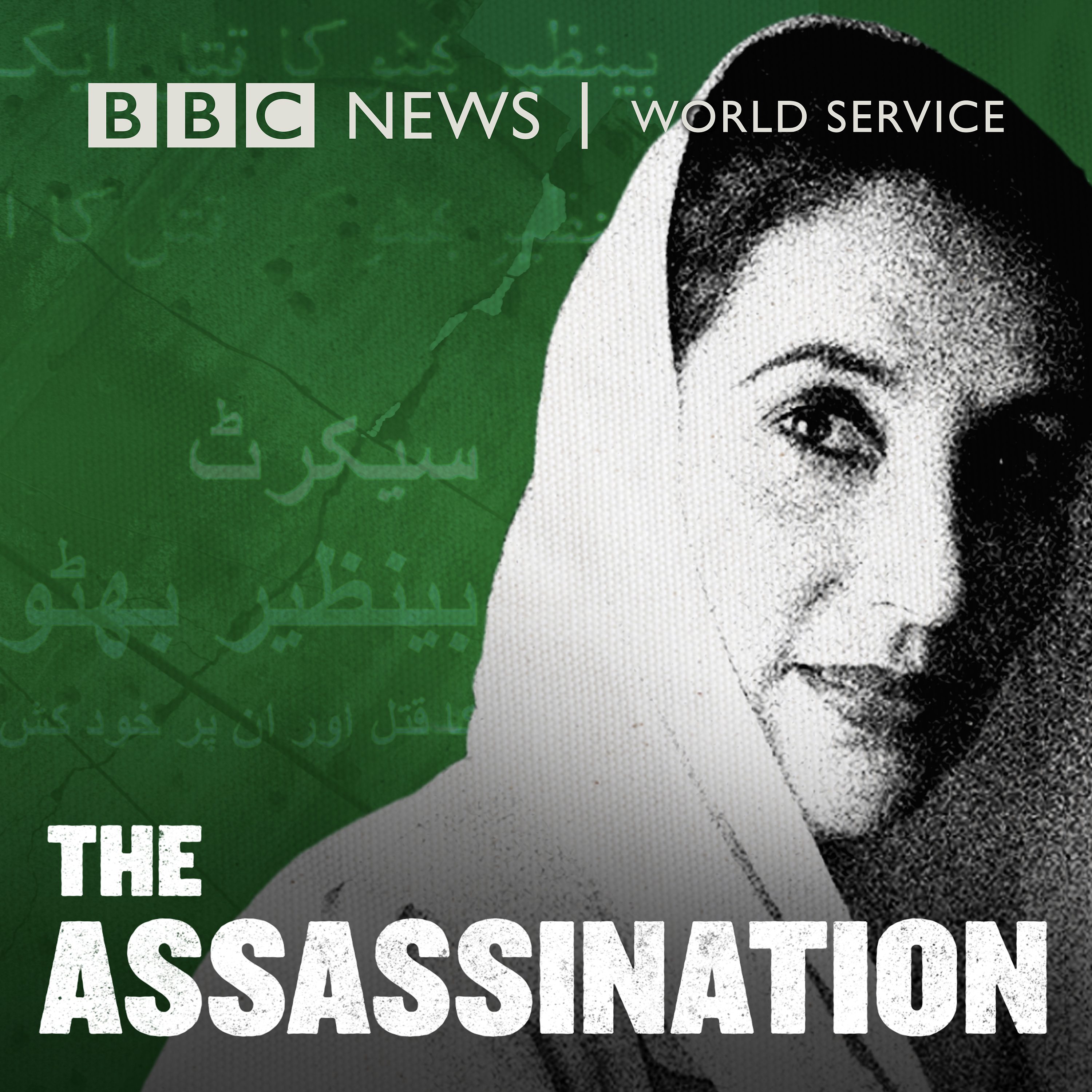
Secret reports, an arrest and “hidden hands” – why the official investigation into the Karachi attack on Benazir Bhutto failed. Owen Bennett-Jones gives a deep dive on Pakistan’s deep state as the saga of Benazir’s death continues. Includes interviews with key anti-terror officers.

Secret reports, an arrest and “hidden hands” – why the official investigation into the Karachi attack on Benazir Bhutto failed. Owen Bennett-Jones gives a deep dive on Pakistan’s deep state as the saga of Benazir’s death continues. Includes interviews with key anti-terror officers.

3 events Jogj My podcast is about three events in the Roman Empire which are Christianity the founding or Rome and the assassination of Julius Caesar Cover art photo provided by Melanie van Leeuwen on Unsplash: https://unsplash.com/@strompictures Hagar's Daughter. A Story of Southern Caste Prejudice Pauline Elizabeth Hopkins Hagar's Daughter was first published serially in "The Colored American Magazine" in 1901-1902 by Pauline E. Hopkins, a prominent African-American novelist, journalist, historian, and playwright. The book was described as "a powerful narrative of love and intrigue, founded on events which happened in the exciting times immediately following the assassination of President Lincoln: a story of the Republic in the power of Southern caste prejudice toward the Negro." (From the January, 1901, issue of "The Colored American Magazine")In another of her works, the author explained the nature and purpose of her literary efforts: "But, after all, it is the simple, homely tale, unassumingly told, which cements the bond of brotherhood among all classes and all complexions. Fiction is of great value to any people as a preserver of manners and customs—religious, political and social. It is a record of growth and development from generation to generation. No one will do this for us; we must ourselves O Captain! My Captain! by Walt Whitman Loyal Books LibriVox volunteers bring you 18 recordings of "O Captain! My Captain!" This was the Weekly Poetry for the week of August 17, 2014."O Captain! My Captain!" is an elegy for Abraham Lincoln written by Walt Whitman, who worked as a clerk and army hospital nurse during the Civil War. The Captain of the poem is Lincoln, and the ship represents the United States, brought safely through the storm of war. In the poem, Whitman juxtaposes the people's joy at the end of the war with his grief at the assassination of the President. The first assassination in Las Vegas Billy Mark Learn about the very first assassination that happened in Las Vegas in
URL copied to clipboard!