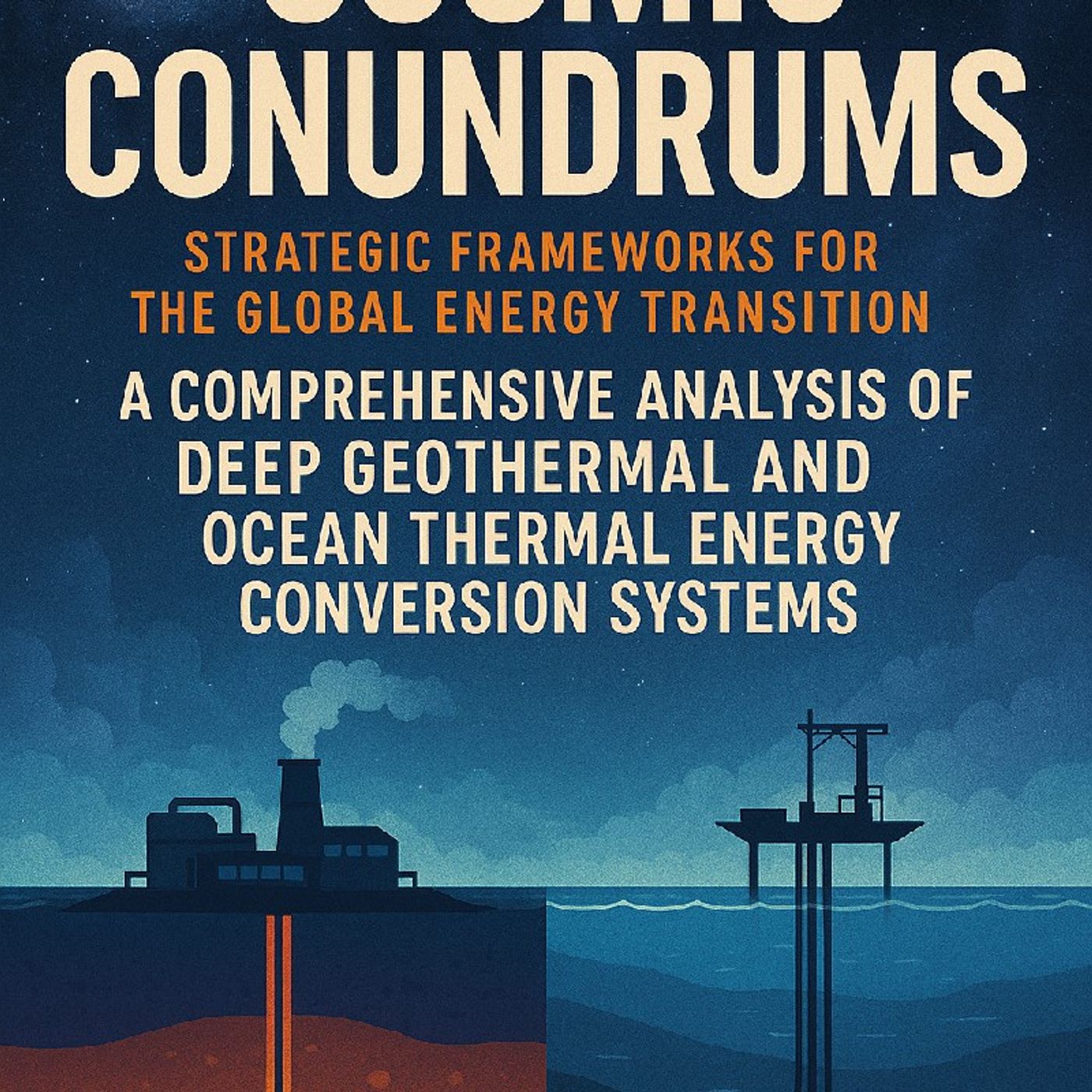
Episode 520 - Cosmic Conundrums episode artwork

EPISODE · Feb 6, 2026 · 5 MIN

Episode 520 - Cosmic Conundrums

from Kevin McFarlane's podcast · host Kevin McFarlane

The contemporary imperative for a resilient and stable energy infrastructure has transitioned from a theoretical discussion of decarbonization to a multifaceted strategic deployment of diverse, non-intermittent power sources. The foundational strategy for this transition, as initially outlined in the primary assessment of organizational energy goals, emphasizes the necessity of a diversified portfolio that mitigates the inherent volatility of variable renewable energy (VRE). This framework identifies a sophisticated mix of battery storage and hydrogen as the ideal mechanism for ensuring reliability, yet it acknowledges that a truly robust system must extend beyond the established triad of solar, wind, and hydroelectric power. The exploration of emerging, unconventional, and next-generation energy sources—specifically deep geothermal and ocean thermal energy conversion (OTEC)—represents a critical shift toward a multi-source ecosystem designed to render fossil fuels obsolete through superior performance and continuous availability. ​The evolution of the energy transition landscape is predicated on the concept that solar and wind, while foundational, are complementary rather than exhaustive; solar provides peak generation during daylight hours, while wind often peaks at night or during adverse weather conditions. To bridge the remaining gap in baseload requirements, the strategic vision must incorporate frontier technologies capable of providing 24/7 "clean firm" power. Deep geothermal energy, utilizing high-temperature reservoirs at extreme depths, and OTEC, harvesting the thermal gradients of the global oceans, stand as the most promising candidates for replacing large-scale fossil fuel baseload generation due to their near-constant output and minimal environmental footprints.

The contemporary imperative for a resilient and stable energy infrastructure has transitioned from a theoretical discussion of decarbonization to a multifaceted strategic deployment of diverse, non-intermittent power sources. The foundational strategy for this transition, as initially outlined in the primary assessment of organizational energy goals, emphasizes the necessity of a diversified portfolio that mitigates the inherent volatility of variable renewable energy (VRE). This framework identifies a sophisticated mix of battery storage and hydrogen as the ideal mechanism for ensuring reliability, yet it acknowledges that a truly robust system must extend beyond the established triad of solar, wind, and hydroelectric power. The exploration of emerging, unconventional, and next-generation energy sources—specifically deep geothermal and ocean thermal energy conversion (OTEC)—represents a critical shift toward a multi-source ecosystem designed to render fossil fuels obsolete through superior performance and continuous availability. ​The evolution of the energy transition landscape is predicated on the concept that solar and wind, while foundational, are complementary rather than exhaustive; solar provides peak generation during daylight hours, while wind often peaks at night or during adverse weather conditions. To bridge the remaining gap in baseload requirements, the strategic vision must incorporate frontier technologies capable of providing 24/7 "clean firm" power. Deep geothermal energy, utilizing high-temperature reservoirs at extreme depths, and OTEC, harvesting the thermal gradients of the global oceans, stand as the most promising candidates for replacing large-scale fossil fuel baseload generation due to their near-constant output and minimal environmental footprints.

NOW PLAYING

Episode 520 - Cosmic Conundrums

0:00 5:11

No transcript for this episode yet

We transcribe on demand. Request one and we'll notify you when it's ready — usually under 10 minutes.

No similar episodes found.

No similar podcasts found.

Frequently Asked Questions

How long is this episode of Kevin McFarlane's podcast?

This episode is 5 minutes long.

When was this Kevin McFarlane's podcast episode published?

This episode was published on February 6, 2026.

What is this episode about?

The contemporary imperative for a resilient and stable energy infrastructure has transitioned from a theoretical discussion of decarbonization to a multifaceted strategic deployment of diverse, non-intermittent power sources. The foundational...

Can I download this Kevin McFarlane's podcast episode?

Yes, you can download this episode by clicking the download button on the episode player, or subscribe to the podcast in your preferred podcast app for automatic downloads.
URL copied to clipboard!