
EPISODE · Jul 21, 2024 · 54 MIN
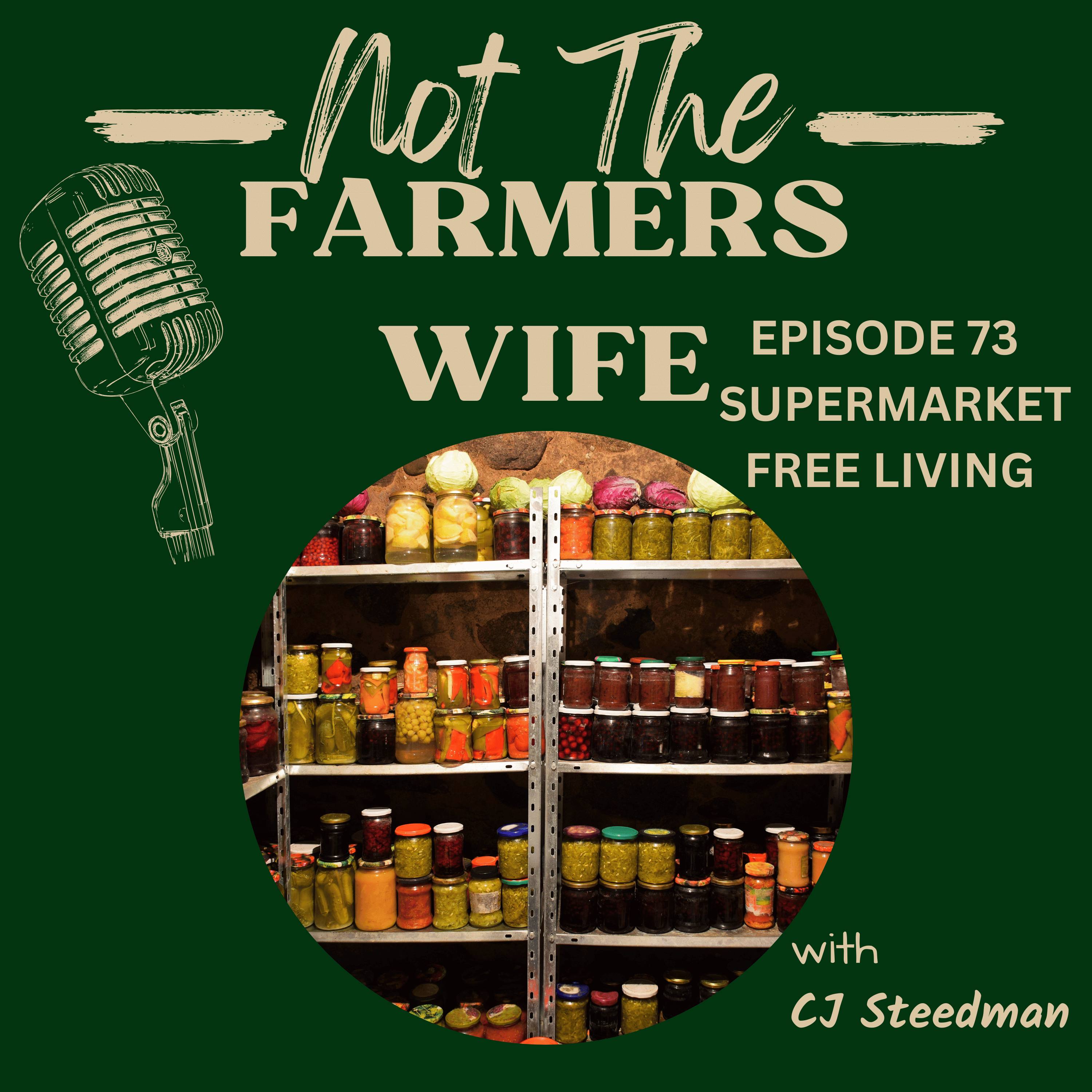
Episode 73 - Supermarket Free Living
from Ditch The Store · host CJ Steedman
Supermarket-free lifestyle - Episode 73 Don't forget to join the waitlist www.mojohomestead.net/waitlist to get all the information about our upcoming course. Buying Direct Meat from a farmer https://halfacow.farm/ Growing Food Vegetable Garden: - Grow a variety of vegetables and herbs. - Use techniques like crop rotation and companion planting to maximize yield. Fruit Trees and Berry Bushes: - Plant apple, pear, peach, and other fruit trees. - Grow berry bushes such as raspberries, blueberries, and strawberries. Greenhouse: - Extend the growing season and protect plants from adverse weather. Herb Garden: - Grow culinary and medicinal herbs. Aquaponics and Hydroponics: - Use these systems to grow plants in water with added nutrients. Animal Husbandry Raising Livestock: - Keep chickens for eggs and meat. - Raise goats, sheep or cows for fibre, milk, cheese, and meat. - Keep bees for honey and beeswax. Fishing and Aquaculture: - Raise fish in ponds or tanks. - Utilize local water bodies for fishing. Foraging and Hunting Wild Foraging: - Gather edible plants, berries, mushrooms, and nuts from the wild. Hunting: - Hunt deer, rabbits, kangaroos and other game for meat. Food Preservation Canning and Pickling: - Preserve fruits, vegetables, and meats. Drying and Dehydrating: - Dry herbs, fruits, and meats. Fermenting: - Make sauerkraut, kimchi, yogurt, and kombucha. Freezing: - Freeze fruits, vegetables, and meats for long-term storage. Homemade Household Supplies Cleaning Supplies: - Make natural cleaners using vinegar, baking soda, and essential oils. Personal Care Products: - Make soap, shampoo, and toothpaste using natural ingredients. - Use homemade or reusable items like cloth diapers and menstrual products. Textiles: - Spin and weave wool from sheep, goats or alpacas. - Sew and repair clothing or second hand. Alternative Sourcing Bartering and Trading: - Exchange goods and services with neighbours and local communities. Local Farmers’ Markets: - Buy directly from local farmers and artisans. Community Supported Agriculture (CSA): - Subscribe to a CSA for regular deliveries of fresh, local produce. Bulk Buying and Co-ops: - Purchase bulk items through food co-ops to minimize trips and packaging. Adopting these practices can significantly reduce dependence on supermarkets and contribute to a more sustainable lifestyle.
What this episode covers
Supermarket-free lifestyle - Episode 73 Don't forget to join the waitlist www.mojohomestead.net/waitlist to get all the information about our upcoming course. Buying Direct Meat from a farmer https://halfacow.farm/ Growing Food Vegetable Garden: - Grow a variety of vegetables and herbs. - Use techniques like crop rotation and companion planting to maximize yield. Fruit Trees and Berry Bushes: - Plant apple, pear, peach, and other fruit trees. - Grow berry bushes such as raspberries, blueberries, and strawberries. Greenhouse: - Extend the growing season and protect plants from adverse weather. Herb Garden: - Grow culinary and medicinal herbs. Aquaponics and Hydroponics: - Use these systems to grow plants in water with added nutrients. Animal Husbandry Raising Livestock: - Keep chickens for eggs and meat. - Raise goats, sheep or cows for fibre, milk, cheese, and meat. - Keep bees for honey and beeswax. Fishing and Aquaculture: - Raise fish in ponds or tanks. - Utilize local water bodies for fishing. Foraging and Hunting Wild Foraging: - Gather edible plants, berries, mushrooms, and nuts from the wild. Hunting: - Hunt deer, rabbits, kangaroos and other game for meat. Food Preservation Canning and Pickling: - Preserve fruits, vegetables, and meats. Drying and Dehydrating: - Dry herbs, fruits, and meats. Fermenting: - Make sauerkraut, kimchi, yogurt, and kombucha. Freezing: - Freeze fruits, vegetables, and meats for long-term storage. Homemade Household Supplies Cleaning Supplies: - Make natural cleaners using vinegar, baking soda, and essential oils. Personal Care Products: - Make soap, shampoo, and toothpaste using natural ingredients. - Use homemade or reusable items like cloth diapers and menstrual products. Textiles: - Spin and weave wool from sheep, goats or alpacas. - Sew and repair clothing or second hand. Alternative Sourcing Bartering and Trading: - Exchange goods and services with neighbours and local communities. Local Farmers’ Markets: - Buy directly from local farmers and artisans. Community Supported Agriculture (CSA): - Subscribe to a CSA for regular deliveries of fresh, local produce. Bulk Buying and Co-ops: - Purchase bulk items through food co-ops to minimize trips and packaging. Adopting these practices can significantly reduce dependence on supermarkets and contribute to a more sustainable lifestyle.
NOW PLAYING
Episode 73 - Supermarket Free Living
No transcript for this episode yet
Similar Episodes
Dec 5, 2025 ·50m
Oct 9, 2025 ·33m
Oct 3, 2025 ·40m
Sep 11, 2025 ·31m
Aug 27, 2025 ·39m
Aug 18, 2025 ·54m