
EPISODE · Apr 28, 2019 · 20 MIN
Episode 84 - Captain Phillipps frets about Tommy Atkins & New Zealanders learn a Maori War Cry
from The Anglo-Boer War · host Desmond Latham
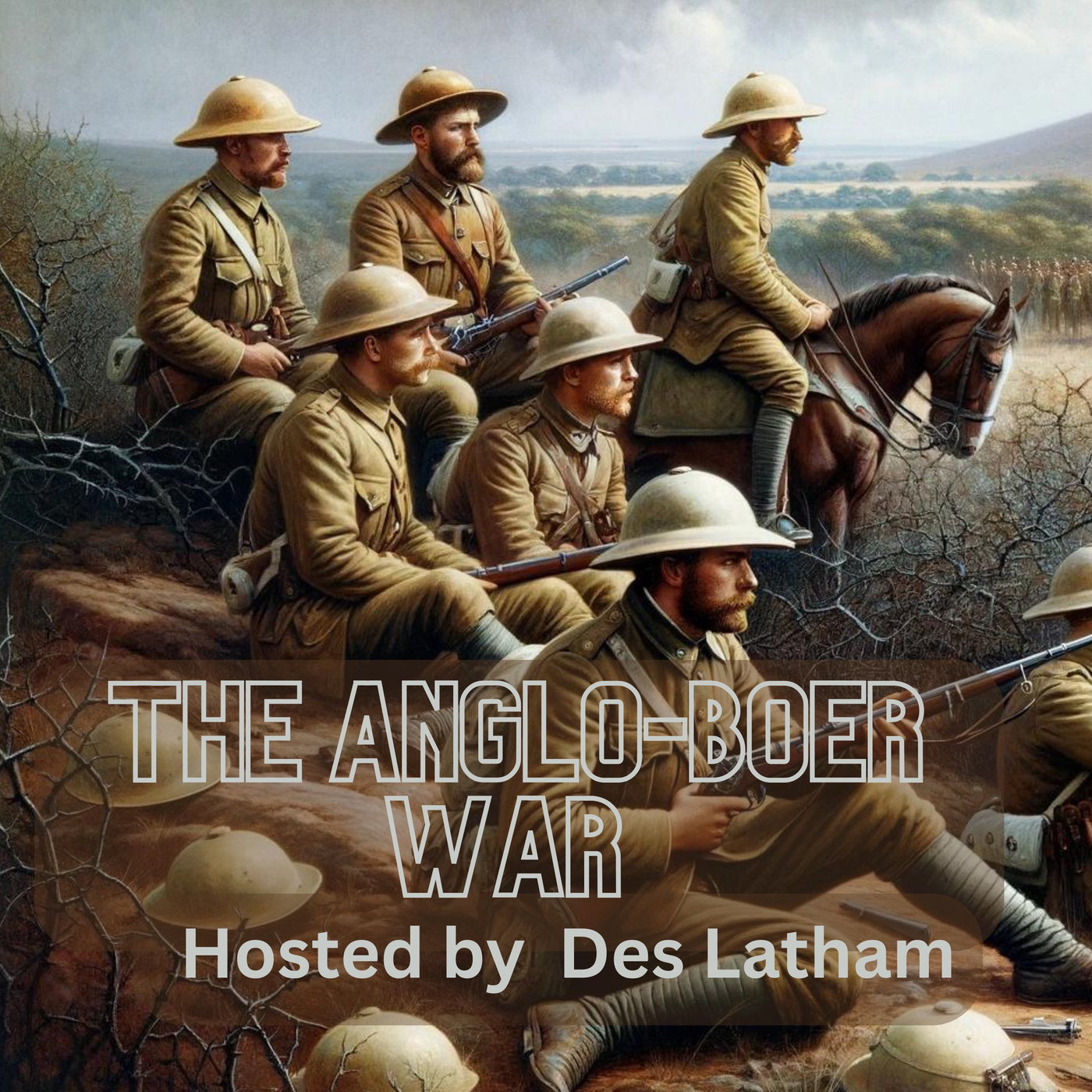
This week, we’ll track a Londoner who rode with Rimington’s Tigers then there’ll be a quick story about a Maori who arrived in South Africa during the war to fight, but also carried a Violin. At the same time, information began to circulate about the British Concentration Camps where tens of thousands of Boer women and children were interned. And the information was worrying. Slowly the numbers began to be squeezed out of the British Government. There were 21,105 people in Transvaal camps in April, 19,680 in Orange River Colony and 2,524 in Natal . The number of deaths was equally difficult to discover because of censorship. Yet these numbers were leaking and they were not good news for those who believed this war to be honourable. Nor was it clear if the figures included the black inmates. We now know they did not. A second strategy launched along with the Concentration Camps was Lord Kitchener’s policy of great drives some over 80 kilometres long. These were his strategy to cope with the guerrillas and finish the war. He understood that he could not catch or destroy the remaining commandos without placing strict limits on their freedom of movement before sweeping them from the veld. This policy was not as clinical in practice as it sounded in theory. The sweeps were often accompanied by looting as well as destruction. Some of the British officer which had been based in South Africa for more than 18 months fighting the Boers had run out of patience and used these drives as an excuse to loot. For some of the soldiers under their command it became a kind of sport. Writing at the time, Captain L March Phillipps who was an officer in the Rimington Guides or Rimington Tigers as they were known began to have serious doubts about the nature of these veld clearing operations. The Tigers had been created by Major Mike Rimington and they were known Rimington’s Tigers due to the leopard skin hatbands worn on their slouch hats. They were also known as the Night Cats because of their many night marches and stealth. In January 1901 the force was reorganised as Damant's Horse under Major Frederic Damant, Rimington's second-in-command, but many continued to call this feared unit the Rimington Tigers. Captain Phillipps looked on exasperated at times during the Great Drives period of this war, March through September 1901. In one of his letters he writes about the British Soldier who was now known as Tommy Atkins. This generic title Tommy Atkins was used from at least 1743. There’s a great deal of debate about the exact origin of the title has been used as a generic name for a common British soldier for many years. The origin of the term is a subject of debate, but a letter sent from Jamaica about a mutiny amongst the troops says in 1743 includes the line "except for those from N. America ye Marines and Tommy Atkins behaved splendidly”. However, our letter writing Captain Phillipps is not as enamoured by Tommy Atkins during the great Drives across the Veld in 1901.
What this episode covers
This week, we’ll track a Londoner who rode with Rimington’s Tigers then there’ll be a quick story about a Maori who arrived in South Africa during the war to fight, but also carried a Violin. At the same time, information began to circulate about the British Concentration Camps where tens of thousands of Boer women and children were interned. And the information was worrying. Slowly the numbers began to be squeezed out of the British Government. There were 21,105 people in Transvaal camps in April, 19,680 in Orange River Colony and 2,524 in Natal . The number of deaths was equally difficult to discover because of censorship. Yet these numbers were leaking and they were not good news for those who believed this war to be honourable. Nor was it clear if the figures included the black inmates. We now know they did not. A second strategy launched along with the Concentration Camps was Lord Kitchener’s policy of great drives some over 80 kilometres long. These were his strategy to cope with the guerrillas and finish the war. He understood that he could not catch or destroy the remaining commandos without placing strict limits on their freedom of movement before sweeping them from the veld. This policy was not as clinical in practice as it sounded in theory. The sweeps were often accompanied by looting as well as destruction. Some of the British officer which had been based in South Africa for more than 18 months fighting the Boers had run out of patience and used these drives as an excuse to loot. For some of the soldiers under their command it became a kind of sport. Writing at the time, Captain L March Phillipps who was an officer in the Rimington Guides or Rimington Tigers as they were known began to have serious doubts about the nature of these veld clearing operations. The Tigers had been created by Major Mike Rimington and they were known Rimington’s Tigers due to the leopard skin hatbands worn on their slouch hats. They were also known as the Night Cats because of their many night marches and stealth. In January 1901 the force was reorganised as Damant's Horse under Major Frederic Damant, Rimington's second-in-command, but many continued to call this feared unit the Rimington Tigers. Captain Phillipps looked on exasperated at times during the Great Drives period of this war, March through September 1901. In one of his letters he writes about the British Soldier who was now known as Tommy Atkins. This generic title Tommy Atkins was used from at least 1743. There’s a great deal of debate about the exact origin of the title has been used as a generic name for a common British soldier for many years. The origin of the term is a subject of debate, but a letter sent from Jamaica about a mutiny amongst the troops says in 1743 includes the line "except for those from N. America ye Marines and Tommy Atkins behaved splendidly”. However, our letter writing Captain Phillipps is not as enamoured by Tommy Atkins during the great Drives across the Veld in 1901.
NOW PLAYING
Episode 84 - Captain Phillipps frets about Tommy Atkins & New Zealanders learn a Maori War Cry
No transcript for this episode yet
Similar Episodes
No similar episodes found.
Similar Podcasts
No similar podcasts found.