PodParley PodParley

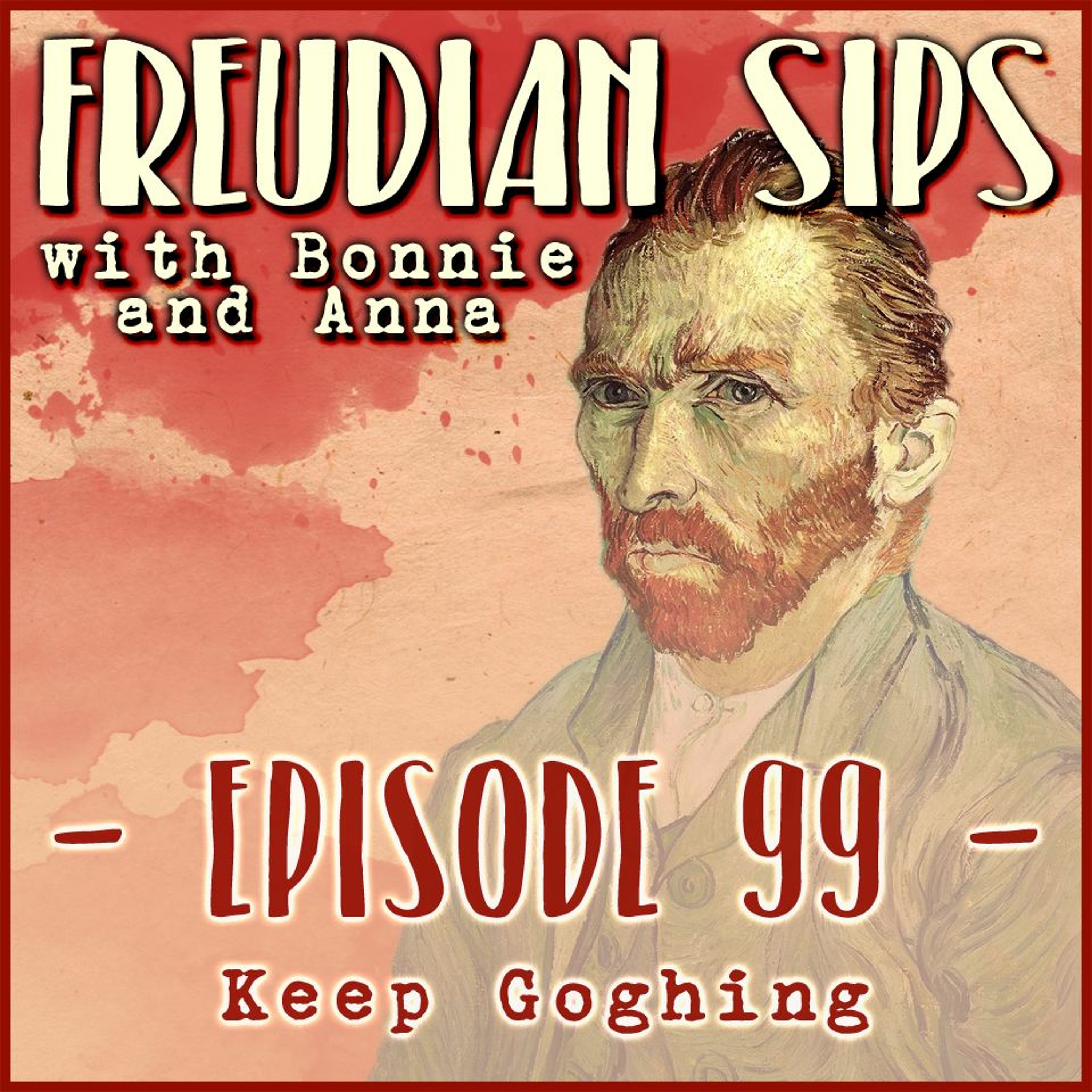
Episode 99: Keep Goghing

Armed with an extremely potent Starry Night shot,…

An episode of the Freudian Sips podcast, hosted by Anna Keller & Bonnie Nytes, titled "Episode 99: Keep Goghing" was published on March 16, 2022 and runs 80 minutes.

March 16, 2022 ·80m · Freudian Sips

0:00 / 0:00

Armed with an extremely potent Starry Night shot, the girls are talking this week about Vincent van Gogh, perhaps one of the most famous artists of all time. Being a past art major and current fangirl, Anna tells the story of the artist’s life, including all the traumas and health struggles he experienced, and then she and Bonnie discuss what mental health struggles Vincent might have had. Hint: it was a lot, and you will probably want to give him a hug by the end of the episode.

Armed with an extremely potent Starry Night shot, the girls are talking this week about Vincent van Gogh, perhaps one of the most famous artists of all time. Being a past art major and current fangirl, Anna tells the story of the artist’s life, including all the traumas and health struggles he experienced, and then she and Bonnie discuss what mental health struggles Vincent might have had. Hint: it was a lot, and you will probably want to give him a hug by the end of the episode.
Freudian Flex Sonya Freeman Hello listeners! My name is Sonya Freeman and I am a 29-year-old fourth year medical student going into Psychiatry. I have a particular interest in psychoanalysis and its use in my generation, the millennial generation. Millennials tend to move fast and psychoanalysis tends to move slow. Millennials are into the new and the now, while psychoanalysis is known for being outdated. Despite these differences, I think there is a distinct millennial need for psychoanalysis brought on by the advent of social media, online dating, texting, etc. In Freudian Flex, we will explore the ways that the psychoanalytic school of thought addresses these millennial issues in a series of interviews with psychoanalysts.Follow us on Instagram @freudianflex.For all inquiries, contact us at [email protected]/Editing: Daniel RadinOriginal Music: Nicholas Guarnotta Flippin' Freud! John Martin Ramsay Self-help psychology! No couch, no Freudian analysis. Take control of your life right now and laugh, too. Based on the work of Marlowe O. Erickson.These episodes of FLIPPIN' FREUD are from copyrighted material but are free to be quoted with an acknowledgement: either https://open.spotify.com/show/0ClAATNoUDcsaQpl7zskeS or https://marlowe.home.blog/author/ronekstrandyahoocom/ Marvellous Hairy - a novel in five fractals - So hair is sprouting in unspeakable places and you can no longer carry a tune, but if you're a surrealistic artiste with an addiction to Freudian mythology and guilt-free sex, turning into a monkey has its upsides.Nick Motbot may be evolving as a novelist, but his friends aren't too sure about his DNA — at least, not since Gargantuan Enterprises started experimenting with it. And once they figure out what's happening to him, they decide to set things right. MARVELLOUS HAIRY is a satirical novel about a group of friends sticking it to the man the only way they know how, with equal parts grain alcohol and applied Chaos Theory.Part literary fun-ride, part fabulist satire, and part slapstick comedy, MARVELLOUS HAIRY is about the power of friendship and love, the evils of power, and the dangers of letting corrupt CEOs run our world.And most importantly, it's about how we have to release our fun-loving inner monkeys. Sir Edmund Orme by Henry James (1843 - 1916) LibriVox Henry James wrote a number of ghost stories -- The Turn of the Screw being the most famous. Did he believe in ghosts himself, as did many of his contemporaries? It's generally possible to find earthly interpretations, Freudian and other, for his ghosts. Sir Edmund Orme, though, is unquestionably a real ghost -- except of course that James's unnamed narrator tells the story in the voice of yet a third man, and the narrator himself passes no judgments on the factual nature of what he is reporting (there's a resemblance here to The Turn of the Screw). The story has to do with two love affairs in two generations, and Sir Edmund, real or imagined, plays a role in each. In the end, then, it's still up to the reader to decide on the nature of the ghost, whether he's real or imagined. James gives you no clear answer.(Introduction by Nicholas Clifford))
URL copied to clipboard!