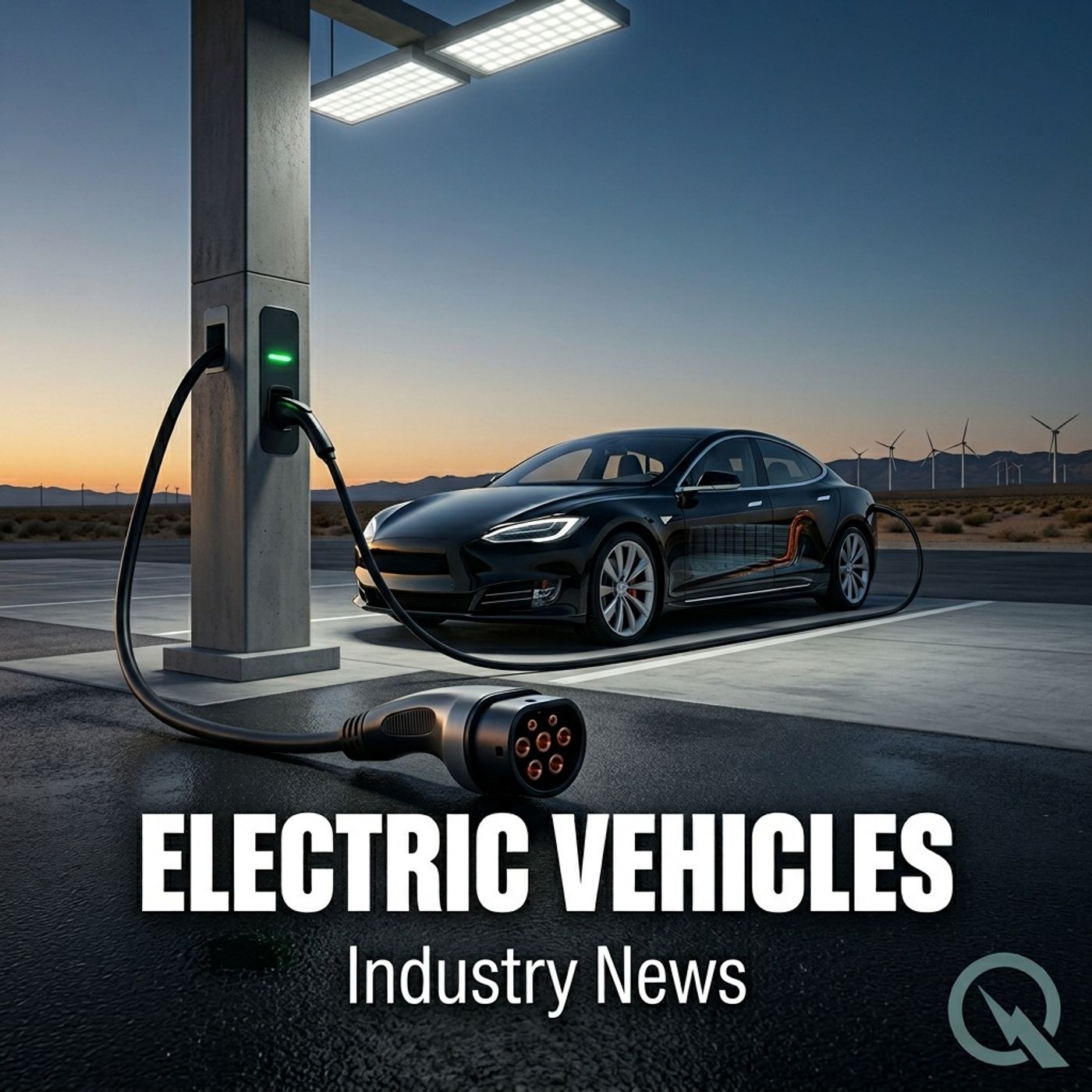
EV Industry Adjusts to Softer Demand: Partnerships, Policy Changes, and Navigating the Shifting Landscape episode artwork

EPISODE · May 21, 2025 · 2 MIN

EV Industry Adjusts to Softer Demand: Partnerships, Policy Changes, and Navigating the Shifting Landscape

from Electric Vehicles Industry News · host Inception Point AI

The electric vehicle industry is experiencing a period of recalibration marked by production adjustments, shifting investments, and new partnerships. In the past 48 hours, Hyundai temporarily halted production of its IONIQ 5 and Kona EV models in Korea due to slowing exports, reflecting a global trend of cautious output in response to softer demand. Honda, meanwhile, has announced a $21 billion reduction in its EV investments and postponed an $11 billion production facility in Canada for at least two years, opting instead to focus more on hybrids and advanced driver assistance systems in the U.S. market to avoid tariffs and adapt to the changing landscape. Partnerships continue to drive the sector. Kia joined Tesla’s Supercharger network after a delay, expanding recharge options for Kia EV owners by over 80 percent. This is significant as it addresses a common consumer pain point: charging infrastructure. Hyundai also finalized a partnership with POSCO Group to boost battery material sourcing and secured a $5.8 billion investment for a steel and EV battery materials plant in Louisiana, strengthening the North American supply chain. On the policy front, the U.S. market saw regulatory turbulence with some states suing the federal government over the freezing of EV charging funding. At the same time, New Jersey launched new incentives to encourage EV charging infrastructure development. Despite these challenges, market prospects remain robust. The International Energy Agency reported that more than one in four new cars sold globally in 2025 is expected to be electric, a strong increase over previous years. Consumer interest remains high, but some buyers are gravitating toward hybrids due to concerns about charging accessibility and high upfront costs. Vehicle offerings are evolving as well. While Toyota claims its 2026 RAV4 lineup will be “100 percent electrified,” this is through hybrid and plug-in hybrid models, not full battery electric vehicles. Tesla has launched a lower-priced Model Y, responding to market pressure and intensifying competition. Compared to previous reporting, the current period is marked by a pullback in aggressive expansion but increased pragmatism, supply chain localization, and collaborations aimed at overcoming infrastructure and material sourcing bottlenecks. Industry leaders are focusing on efficiency and diversified strategies to weather current market headwinds while preparing for long-term growth. This content was created in partnership and with the help of Artificial Intelligence AI.

The electric vehicle industry is experiencing a period of recalibration marked by production adjustments, shifting investments, and new partnerships. In the past 48 hours, Hyundai temporarily halted production of its IONIQ 5 and Kona EV models in Korea due to slowing exports, reflecting a global trend of cautious output in response to softer demand. Honda, meanwhile, has announced a $21 billion reduction in its EV investments and postponed an $11 billion production facility in Canada for at least two years, opting instead to focus more on hybrids and advanced driver assistance systems in the U.S. market to avoid tariffs and adapt to the changing landscape. Partnerships continue to drive the sector. Kia joined Tesla’s Supercharger network after a delay, expanding recharge options for Kia EV owners by over 80 percent. This is significant as it addresses a common consumer pain point: charging infrastructure. Hyundai also finalized a partnership with POSCO Group to boost battery material sourcing and secured a $5.8 billion investment for a steel and EV battery materials plant in Louisiana, strengthening the North American supply chain. On the policy front, the U.S. market saw regulatory turbulence with some states suing the federal government over the freezing of EV charging funding. At the same time, New Jersey launched new incentives to encourage EV charging infrastructure development. Despite these challenges, market prospects remain robust. The International Energy Agency reported that more than one in four new cars sold globally in 2025 is expected to be electric, a strong increase over previous years. Consumer interest remains high, but some buyers are gravitating toward hybrids due to concerns about charging accessibility and high upfront costs. Vehicle offerings are evolving as well. While Toyota claims its 2026 RAV4 lineup will be “100 percent electrified,” this is through hybrid and plug-in hybrid models, not full battery electric vehicles. Tesla has launched a lower-priced Model Y, responding to market pressure and intensifying competition. Compared to previous reporting, the current period is marked by a pullback in aggressive expansion but increased pragmatism, supply chain localization, and collaborations aimed at overcoming infrastructure and material sourcing bottlenecks. Industry leaders are focusing on efficiency and diversified strategies to weather current market headwinds while preparing for long-term growth. This content was created in partnership and with the help of Artificial Intelligence AI.

NOW PLAYING

EV Industry Adjusts to Softer Demand: Partnerships, Policy Changes, and Navigating the Shifting Landscape

0:00 2:44

No transcript for this episode yet

We transcribe on demand. Request one and we'll notify you when it's ready — usually under 10 minutes.

Breaking News Show | eTurboNews Juergen Thomas Steinmetz News is relevant to the global travel and tourism industry, human rights and global issues.Breaking news when it happens and only from the source. Chewing the Fat with WorkForge WorkForge Bite-Sized Conversations for Building a Stronger Workforce Welcome to Chewing the Fat, a podcast delving deep into the world of food manufacturing. Dive into real conversations around critical topics like staffing, retention, onboarding, and career development in this essential industry. Subscribe now to gain insights from your peers, subject matter experts and more on the biggest issues facing food manufacturers today: -Hiring and retaining employees -Addressing the challenges of the Silver Tsunami -Improving time to productivity of new employees -Engaging employees from hire to retire And more... Tune in to Chewing the Fat, a WorkForge podcast, and join the conversation on how to build and sustain a resilient, high-performing workforce in food manufacturing. Show Nuff Entertainment News We write about Entertainment News from around the world. celebrities, sports, movies, and more... All On A Positive Level!!! The Professionals Infosys Knowledge Institute Lawyers, accountants, and consultants reveal their secrets to success and discuss future trends in The Professionals, an Infosys Knowledge Institute podcast. Hosted by Samad Masood, a former journalist and industry analyst with more than 20 years experience observing this dynamic and ever growing industry.

Frequently Asked Questions

How long is this episode of Electric Vehicles Industry News?

This episode is 2 minutes long.

When was this Electric Vehicles Industry News episode published?

This episode was published on May 21, 2025.

What is this episode about?

The electric vehicle industry is experiencing a period of recalibration marked by production adjustments, shifting investments, and new partnerships. In the past 48 hours, Hyundai temporarily halted production of its IONIQ 5 and Kona EV models in...

Can I download this Electric Vehicles Industry News episode?

Yes, you can download this episode by clicking the download button on the episode player, or subscribe to the podcast in your preferred podcast app for automatic downloads.
URL copied to clipboard!