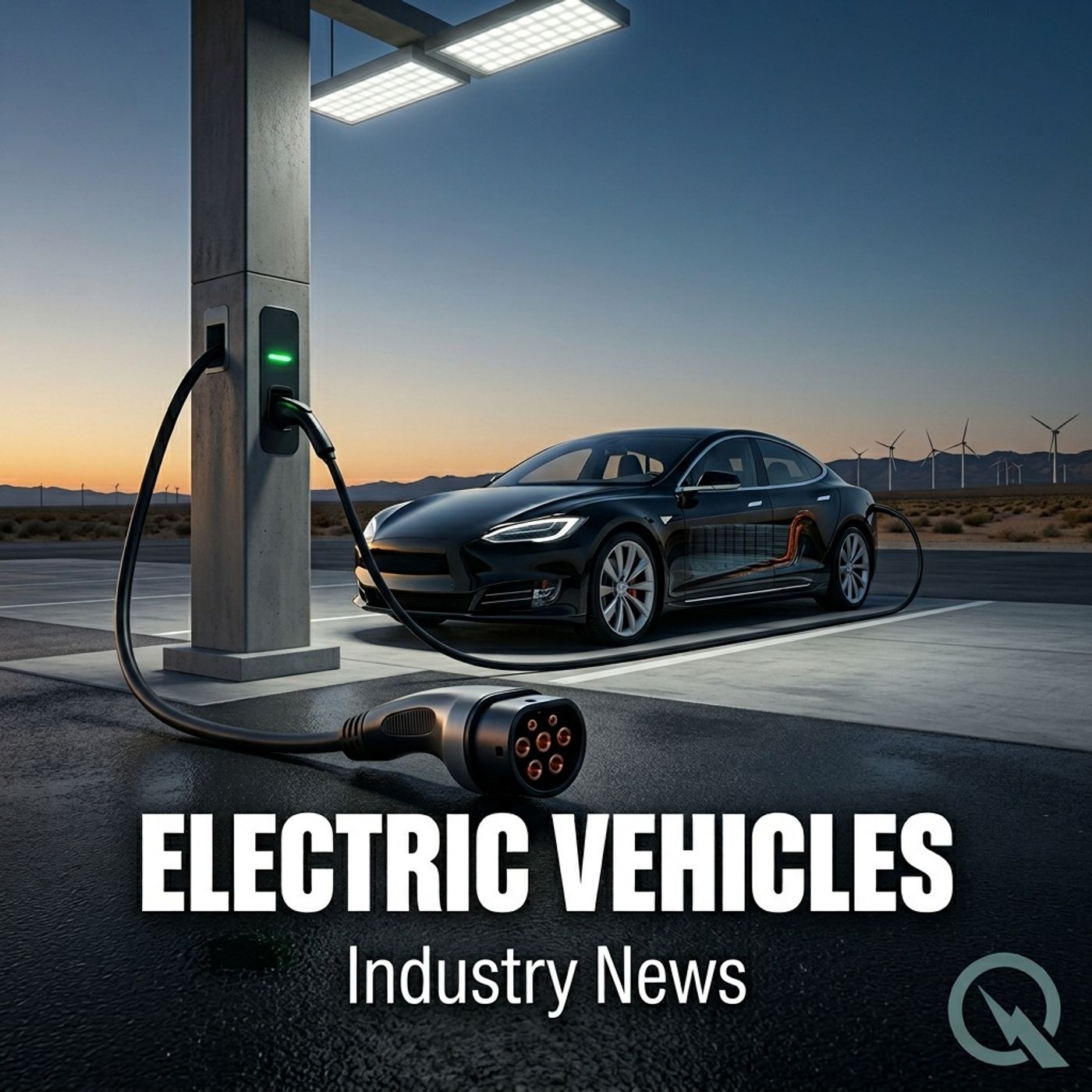
EV Market Update: Pricing Shifts, New Launches, and Supply Chain Challenges episode artwork

EPISODE · Apr 9, 2025 · 2 MIN

EV Market Update: Pricing Shifts, New Launches, and Supply Chain Challenges

from Electric Vehicles Industry News · host Inception Point AI

The electric vehicle (EV) industry has seen notable developments over the past week. Major trends include price shifts, market strategies, and significant product launches, coupled with ongoing challenges in the supply chain and regulatory uncertainties. Tesla has adjusted its pricing strategy by introducing a lower-cost variant of its Model Y at $48,990 before incentives, likely aimed at retaining market share as competition intensifies[1]. Ford and Stellantis have extended employee pricing to EV buyers to boost sales, with Stellantis also temporarily halting production of certain EV models due to supply chain disruptions, leading to layoffs[1]. Meanwhile, Tesla competitors like Lucid Motors showed strong growth, with deliveries increasing by 58% in Q1 2025 compared to the prior year. Rivian, however, reported a 36% decline in deliveries compared to Q1 2024, aligning with its forecast of 8,000 units for the quarter[1]. New product launches and announcements are reshaping consumer choices. Nissan's next-generation LEAF, featuring an upgraded design and Tesla Supercharger compatibility, is set to expand its market appeal[5]. BYD’s new Qin L model, priced at under $17,000, experienced a strong debut, selling over 10,000 units in its first week[5]. General Motors is also teasing an all-electric Corvette, signaling a push into performance EVs[5]. Affordability remains a key focus for automakers. Kia, Hyundai, and Chevrolet are offering 0% financing and attractive lease deals for their EVs[2][6]. These incentives aim to address cost barriers for consumers while helping brands clear inventory of older models as EV lineups expand. Regulatory uncertainty continues to weigh on the industry. Potential tariffs on EV imports and the future of U.S. federal tax credits for EV purchases create headwinds, which could impact buyer confidence and market dynamics[7]. In India, discussions about banning internal combustion engine vehicles by 2035 signal a potential shift toward EVs in emerging markets[5]. Supply chain challenges persist, particularly in battery production and semiconductor shortages[1][3]. However, efforts to localize EV manufacturing and develop new battery technologies are gradually improving resilience. Overall, despite challenges, the EV market continues its upward trajectory, driven by innovations and competitive strategies. Industry leaders are adapting to pricing pressures and evolving consumer demands, positioning EVs as increasingly viable alternatives to internal combustion vehicles. This content was created in partnership and with the help of Artificial Intelligence AI.

The electric vehicle (EV) industry has seen notable developments over the past week. Major trends include price shifts, market strategies, and significant product launches, coupled with ongoing challenges in the supply chain and regulatory uncertainties. Tesla has adjusted its pricing strategy by introducing a lower-cost variant of its Model Y at $48,990 before incentives, likely aimed at retaining market share as competition intensifies[1]. Ford and Stellantis have extended employee pricing to EV buyers to boost sales, with Stellantis also temporarily halting production of certain EV models due to supply chain disruptions, leading to layoffs[1]. Meanwhile, Tesla competitors like Lucid Motors showed strong growth, with deliveries increasing by 58% in Q1 2025 compared to the prior year. Rivian, however, reported a 36% decline in deliveries compared to Q1 2024, aligning with its forecast of 8,000 units for the quarter[1]. New product launches and announcements are reshaping consumer choices. Nissan's next-generation LEAF, featuring an upgraded design and Tesla Supercharger compatibility, is set to expand its market appeal[5]. BYD’s new Qin L model, priced at under $17,000, experienced a strong debut, selling over 10,000 units in its first week[5]. General Motors is also teasing an all-electric Corvette, signaling a push into performance EVs[5]. Affordability remains a key focus for automakers. Kia, Hyundai, and Chevrolet are offering 0% financing and attractive lease deals for their EVs[2][6]. These incentives aim to address cost barriers for consumers while helping brands clear inventory of older models as EV lineups expand. Regulatory uncertainty continues to weigh on the industry. Potential tariffs on EV imports and the future of U.S. federal tax credits for EV purchases create headwinds, which could impact buyer confidence and market dynamics[7]. In India, discussions about banning internal combustion engine vehicles by 2035 signal a potential shift toward EVs in emerging markets[5]. Supply chain challenges persist, particularly in battery production and semiconductor shortages[1][3]. However, efforts to localize EV manufacturing and develop new battery technologies are gradually improving resilience. Overall, despite challenges, the EV market continues its upward trajectory, driven by innovations and competitive strategies. Industry leaders are adapting to pricing pressures and evolving consumer demands, positioning EVs as increasingly viable alternatives to internal combustion vehicles. This content was created in partnership and with the help of Artificial Intelligence AI.

NOW PLAYING

EV Market Update: Pricing Shifts, New Launches, and Supply Chain Challenges

0:00 2:53

No transcript for this episode yet

We transcribe on demand. Request one and we'll notify you when it's ready — usually under 10 minutes.

Breaking News Show | eTurboNews Juergen Thomas Steinmetz News is relevant to the global travel and tourism industry, human rights and global issues.Breaking news when it happens and only from the source. Chewing the Fat with WorkForge WorkForge Bite-Sized Conversations for Building a Stronger Workforce Welcome to Chewing the Fat, a podcast delving deep into the world of food manufacturing. Dive into real conversations around critical topics like staffing, retention, onboarding, and career development in this essential industry. Subscribe now to gain insights from your peers, subject matter experts and more on the biggest issues facing food manufacturers today: -Hiring and retaining employees -Addressing the challenges of the Silver Tsunami -Improving time to productivity of new employees -Engaging employees from hire to retire And more... Tune in to Chewing the Fat, a WorkForge podcast, and join the conversation on how to build and sustain a resilient, high-performing workforce in food manufacturing. Show Nuff Entertainment News We write about Entertainment News from around the world. celebrities, sports, movies, and more... All On A Positive Level!!! The Professionals Infosys Knowledge Institute Lawyers, accountants, and consultants reveal their secrets to success and discuss future trends in The Professionals, an Infosys Knowledge Institute podcast. Hosted by Samad Masood, a former journalist and industry analyst with more than 20 years experience observing this dynamic and ever growing industry.

Frequently Asked Questions

How long is this episode of Electric Vehicles Industry News?

This episode is 2 minutes long.

When was this Electric Vehicles Industry News episode published?

This episode was published on April 9, 2025.

What is this episode about?

The electric vehicle (EV) industry has seen notable developments over the past week. Major trends include price shifts, market strategies, and significant product launches, coupled with ongoing challenges in the supply chain and regulatory...

Can I download this Electric Vehicles Industry News episode?

Yes, you can download this episode by clicking the download button on the episode player, or subscribe to the podcast in your preferred podcast app for automatic downloads.
URL copied to clipboard!