Exhibition Introduction episode artwork

EPISODE · Jan 13, 2022 · 2 MIN

Exhibition Introduction

from George Eastman Museum · host George Eastman Museum

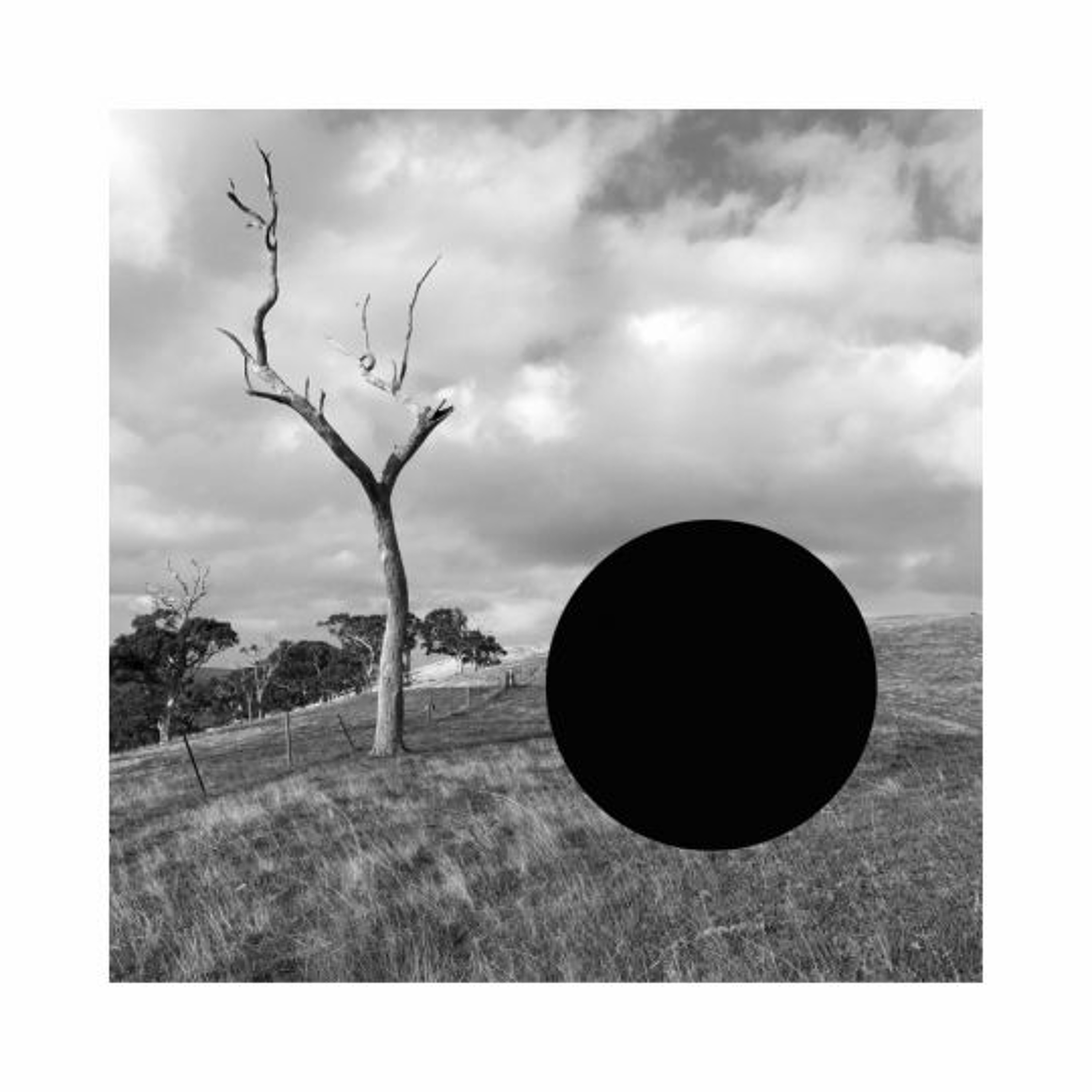
The phrase “untouched landscape” refers to the idea of terra nullius, which was what the British constituted colonizing Australia and taking the land off Aboriginal people. So terra nullius means “no man’s land.” So the idea was that the British didn’t recognize that Aboriginal land ownership or Aboriginal land use was the same as Western cultivation or Western ideas of land ownership. It was largely not the case, and Aboriginal people have lived on the same tract of land for upward of 65,000 years. As an Aboriginal person, I can trace where my family comes from and know that they’ve been there pretty much since they arrived on the continent. 65,000 years ago. We have almost 3,000 generations in one part of the Australian continent. The idea that we don’t own the land, although we view it as custodianship, which is a form of ownership, the British ignore. They did however document it for Kaurna, the nation that I come from, and they did recognize that we had a form of land ownership that was similar to the British. We also had methods of cultivating different crops, but it was largely ignored. There’s a notion that Aboriginal people are nomadic, but that’s not entirely true. For Kaurna, we migrated two times a year but to very specific places we return to in the exact same place at the exact same time of the year, so it’s almost like having your normal house and your holiday house. In some parts of Australia, like in Victoria, there’s evidence of people living in the same spot all year round with stone dwellings, and the same in Tasmania. And so this idea that we didn’t own our land, and we roamed around, and were nomadic prior to the British arriving is untrue. This idea of untouched landscape was that Aboriginal people were moved into Christian missions and the land then seemed untouched. A lot of it is a fabricated idea so the British could take ownership of the Australian continent under their own standard and their laws. However, we had our own laws, our own land ownership, our own forms of farming, and essentially we owned the land. In both works From an Untouched Landscape, I was basically playing on this notion of the untouched landscape to highlight culture had been removed out of the landscape deliberately and covered up in our history by the British. And so when you see the work We Call This Place... Kaurna Yarta it’s talking about these are our spaces, we own these places, we have names for these spaces.

The phrase “untouched landscape” refers to the idea of terra nullius, which was what the British constituted colonizing Australia and taking the land off Aboriginal people. So terra nullius means “no man’s land.” So the idea was that the British didn’t recognize that Aboriginal land ownership or Aboriginal land use was the same as Western cultivation or Western ideas of land ownership. It was largely not the case, and Aboriginal people have lived on the same tract of land for upward of 65,000 years. As an Aboriginal person, I can trace where my family comes from and know that they’ve been there pretty much since they arrived on the continent. 65,000 years ago. We have almost 3,000 generations in one part of the Australian continent. The idea that we don’t own the land, although we view it as custodianship, which is a form of ownership, the British ignore. They did however document it for Kaurna, the nation that I come from, and they did recognize that we had a form of land ownership that was similar to the British. We also had methods of cultivating different crops, but it was largely ignored. There’s a notion that Aboriginal people are nomadic, but that’s not entirely true. For Kaurna, we migrated two times a year but to very specific places we return to in the exact same place at the exact same time of the year, so it’s almost like having your normal house and your holiday house. In some parts of Australia, like in Victoria, there’s evidence of people living in the same spot all year round with stone dwellings, and the same in Tasmania. And so this idea that we didn’t own our land, and we roamed around, and were nomadic prior to the British arriving is untrue. This idea of untouched landscape was that Aboriginal people were moved into Christian missions and the land then seemed untouched. A lot of it is a fabricated idea so the British could take ownership of the Australian continent under their own standard and their laws. However, we had our own laws, our own land ownership, our own forms of farming, and essentially we owned the land. In both works From an Untouched Landscape, I was basically playing on this notion of the untouched landscape to highlight culture had been removed out of the landscape deliberately and covered up in our history by the British. And so when you see the work We Call This Place... Kaurna Yarta it’s talking about these are our spaces, we own these places, we have names for these spaces.

NOW PLAYING

Exhibition Introduction

0:00 2:58

No transcript for this episode yet

We transcribe on demand. Request one and we'll notify you when it's ready — usually under 10 minutes.

PMA: Sculpture Garden - Art Tours Philadelphia Museum of Art The Sculpture,Garden presents a superb and versatile outdoor setting for the appreciation of art, offering a lively experience of sculpture for both the casual passerby and devoted art lovers. Gracefully integrated into the existing landscape, the Sculpture,Garden extends the Museum’s vast galleries to the outdoors while strengthening the Museum’s connections to the city and Fairmount Park. Its pathways and vistas, green space, and water feature create a variety of spaces for art while maintaining an open setting that invites Philadelphia’s public to explore a new expression of the Museum’s goal to make more art available to an ever-growing audience. Song Against Songs, The by G. K. Chesterton (1874 - 1936) LibriVox LibriVox volunteers bring you 9 recordings of The Song Against Songs by G. K. Chesterton. This was the Fortnightly Poetry project for October 16, 2011.Chesterton was a large man, standing 6 feet 4 inches (1.93 m) and weighing around 21 stone (130 kg; 290 lb). His girth gave rise to a famous anecdote. During World War I a lady in London asked why he was not 'out at the Front'; he replied, 'If you go round to the side, you will see that I am.' On another occasion he remarked to his friend George Bernard Shaw: "To look at you, anyone would think a famine had struck England". Shaw retorted, "To look at you, anyone would think you have caused it". P. G. Wodehouse once described a very loud crash as "a sound like Chesterton falling onto a sheet of tin."( Summary from Wikipedia ) Talks Hirshhorn Museum and Sculpture Garden Browse through our selection of lectures and talks by Friday Gallery Talks, In Conversation, and Meet the Artist. Brochures Hirshhorn Museum and Sculpture Garden Read through brochures of Exhibits and individual artists' works from the past and present exhibitions at the Hirshhorn.

Frequently Asked Questions

How long is this episode of George Eastman Museum?

This episode is 2 minutes long.

When was this George Eastman Museum episode published?

This episode was published on January 13, 2022.

What is this episode about?

The phrase “untouched landscape” refers to the idea of terra nullius, which was what the British constituted colonizing Australia and taking the land off Aboriginal people. So terra nullius means “no man’s land.” So the idea was that the British...

Can I download this George Eastman Museum episode?

Yes, you can download this episode by clicking the download button on the episode player, or subscribe to the podcast in your preferred podcast app for automatic downloads.
URL copied to clipboard!