
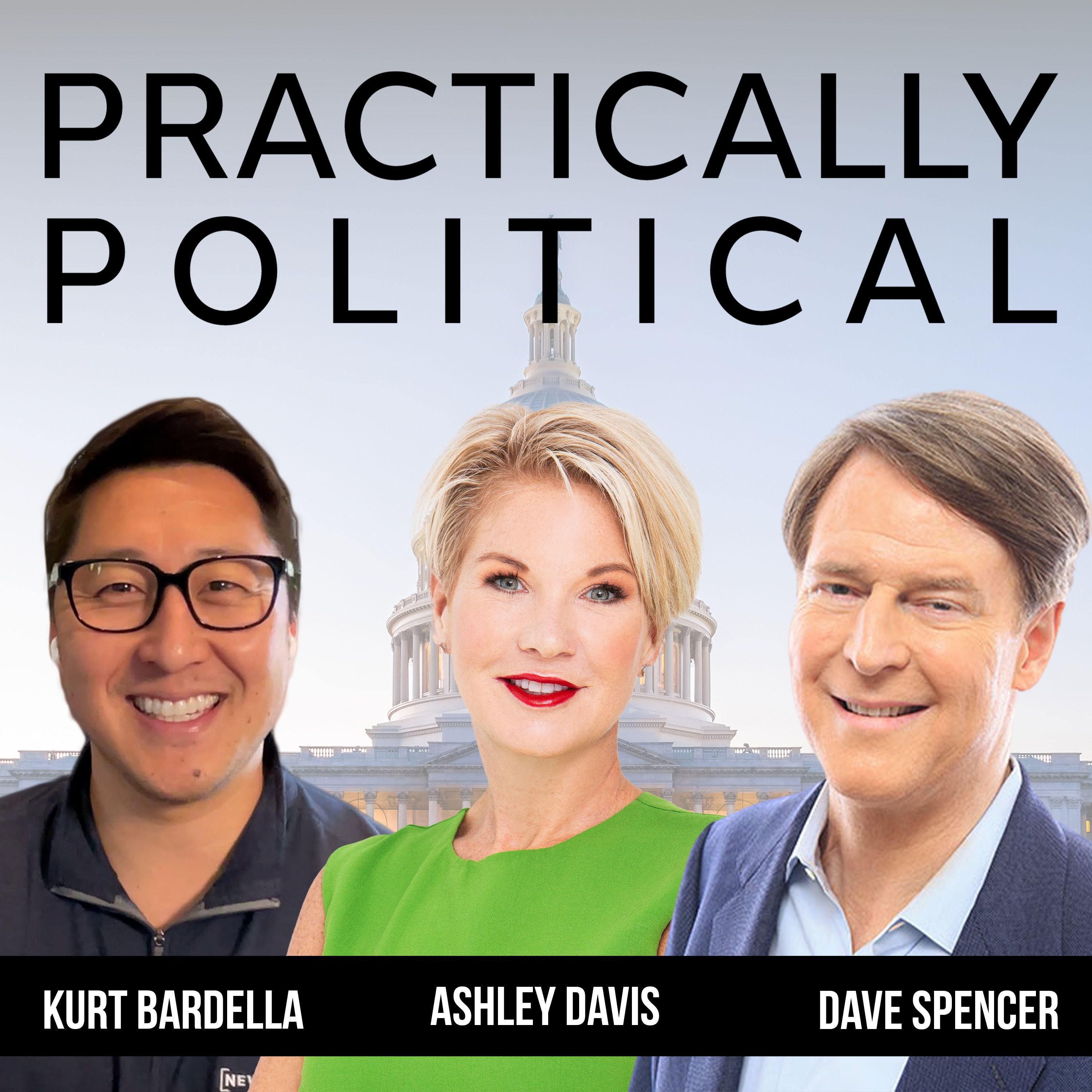
EPISODE · Sep 28, 2023 · 34 MIN
Exploring Executive Powers and Government Reform
from Practically Political · host Practically Political
According to the podcast transcript, the hosts delve into President Biden's decision to impose additional drilling restrictions in Alaska. They argue that this move is counterproductive and ultimately benefits OPEC, Russia, and other foreign adversaries. The hosts assert that these countries will further enrich themselves through increased oil production, while simultaneously constraining American oil resources and negatively impacting American families. They believe that this decision hampers the goal of funding the war against Russia. Furthermore, the hosts highlight the inconsistency in the Biden administration's stance on drilling, noting their initial opposition, subsequent support, and now the imposition of restrictions. They emphasize the need for a consistent energy policy and suggest that fostering better relations with Saudi Arabia could be advantageous in terms of boosting oil production.In the episode, the issue of student loans and Joe Biden's forgiveness plan is discussed. The speaker argues that Biden's plan fails to address the underlying problem of inflation caused by universities. They contend that universities bear responsibility for the exorbitant cost of education and essentially hold students hostage, with the federal government paying the ransom through student loans. The speaker questions why Joe Biden does not hold universities accountable for their role in the student loan crisis and suggests that it may be due to universities being liberal donors with entrenched liberal ideology. Additionally, the speaker proposes that universities should be held liable for neglecting to inform students about the value of their degrees and for establishing lending policies based on the degree's worth. Both the speaker and the podcast host agree that universities have become bloated with excessive administration and staff, and that the funds from student loans are not being utilized effectively to benefit students. They highlight the example of Yale University, which employs over 200 individuals in diversity-related roles, raising doubts about the necessity of such a large staff. Overall, the discussion underscores the belief that Biden's forgiveness plan fails to address the root cause of the student loan problem, namely the high cost of education and inflation driven by universities.According to the episode, the Democrats are portrayed as being more transparent about their willingness to spend money compared to Republicans. The host acknowledges that "all politicians love to spend money," but suggests that Democrats are more forthright in admitting it. This implies that Democrats openly express their desire to allocate funds for various initiatives and programs.Furthermore, the host references a statement made by Senator Bob Casey from Pennsylvania, who reportedly expressed his desire for all children to be automatically enrolled in Medicaid from birth. This statement serves as an example of the Democrats' inclination to expand government spending and further supports the notion that they are more candid about their willingness to spend money.Overall, the episode suggests that Democrats are more forthcoming about their intention to allocate funds for various purposes, while also acknowledging that spending money is a common trait among politicians in general.
Embed this episode
What this episode covers
In this episode of Practically Political, Dave and Carrie discuss President Biden's recent announcement of additional drilling restrictions in Alaska. They argue that these restrictions will benefit OPEC, Russia, and other foreign adversaries while hurting American families and undermining efforts to fund the war against Russia. They also raise concerns about NATO allies not paying their fair share for defense spending. The hosts debate whether the support for Ukraine should continue without any demands or requirements. Dave emphasizes the need to pursue both fossil fuels and alternative fuels for the next 15 to 20 years. The hosts question the inconsistency in the Biden administration's approach to energy policies.
NOW PLAYING
Exploring Executive Powers and Government Reform
No transcript for this episode yet
Similar Episodes
No similar episodes found.
Similar Podcasts
No similar podcasts found.