
EPISODE · Nov 8, 2023 · 4 MIN
FASCINATING FACTS - CHANGE IN CONNOTATION OF THE WORD RASCAL OVER THE DECADES
from BEYOND THE OBVIOUS · host Purushothaman C
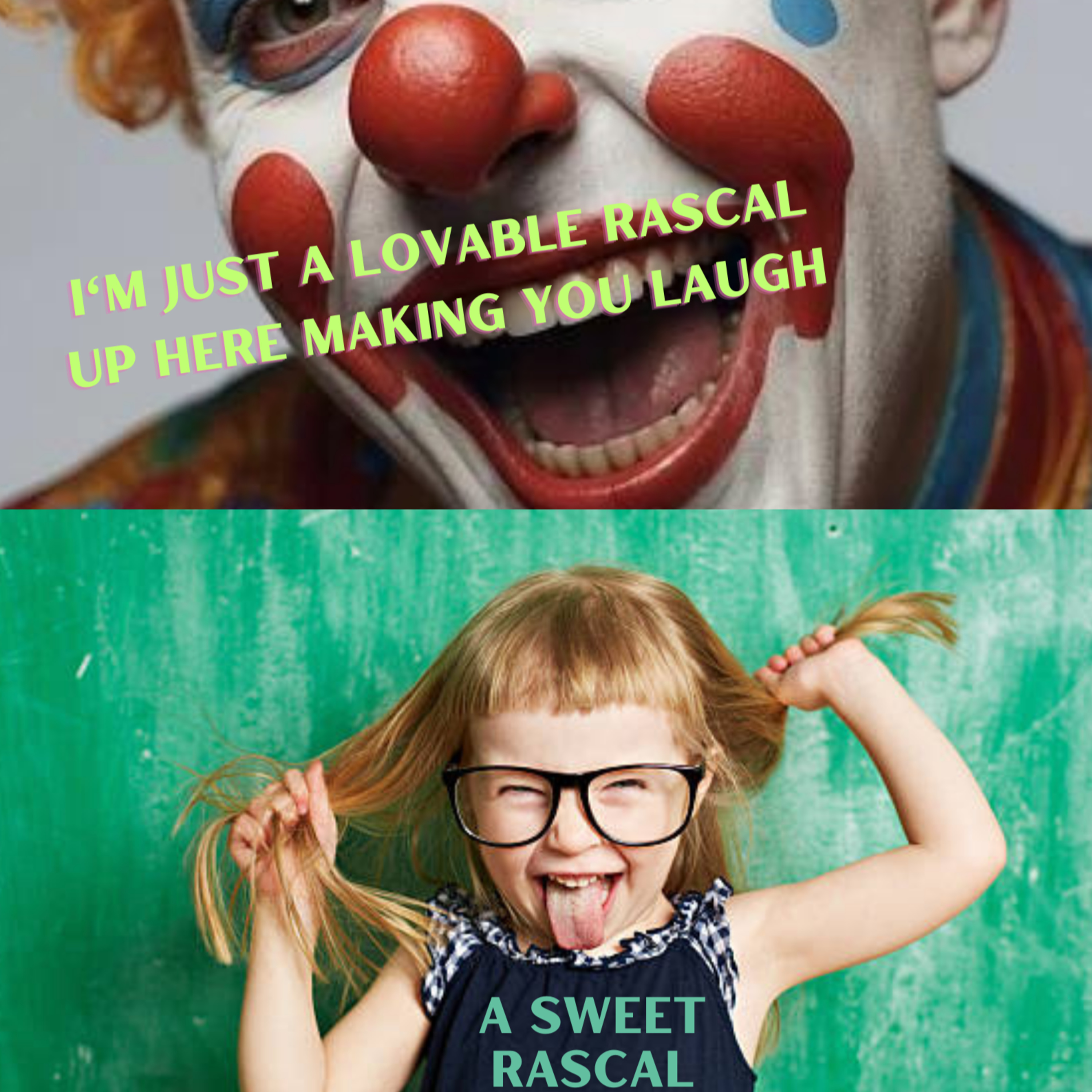
CHANGE IN CONNOTATION OF THE WORD RASCAL OVER THE DECADES The connotations of words in the English language can evolve over time due to shifts in culture, society, and usage. The word "rascal" is an example of a term whose connotation has changed over the years. Here comes a comprehensive discussion on how the connotation of the word rascal has evolved over the decades. Historical Mischievousness: In its earlier usage, "rascal" primarily referred to a mischievous or playful person, often in a light-hearted or endearing manner. For example, in Shakespeare's "Henry IV," Falstaff affectionately calls Prince Hal a "sweet rascal." In this context, it was more of a term of endearment than an insult. Transition to Disapproval: Over time, the term "rascal" began to take on a more negative connotation, shifting towards describing someone who engaged in deceitful or dishonest behavior. For instance, in Charles Dickens's "Oliver Twist," Fagin is often referred to as a "wretched old rascal," emphasizing his unscrupulous character. Playful Scoundrels: In certain contexts, "rascal" can still be used to describe someone who engages in playful or mildly mischievous behavior, but with a hint of disapproval. For example, you might say, "Those rascals pulled a prank on me," implying that the behavior was bothersome but not necessarily malicious. Roguish Charm: In literature and storytelling, characters like Robin Hood have often been described as "charming rascals." In this context, "rascal" conveys a sense of roguish charm and cunning, emphasizing the character's likable yet mischievous qualities. Childlike Playfulness and Contemporary Playfulness: In contemporary usage, "rascal" can sometimes be used to describe a child who is energetic, lively and mischievous in an innocent way. Parents might affectionately refer to their children as little rascals when they get into harmless antics.In contemporary slang, "rascal" can be used to affectionately refer to someone who is being playful or cheeky, often without any negative connotations. For example, "Stop being such a little rascal" might be said with a smile to a friend who's teasing in a friendly manner. Term of Endearment: In some contexts, "rascal" has circled back to being a term of endearment, particularly among friends or in a jocular manner. For instance, if someone teases a friend for their playful antics, they might playfully call them a "silly rascal." Endearing Nicknames: In some families or social circles, "rascal" might be used as an endearing nickname for a loved one, particularly a child or a close friend. It signifies a playful and affectionate relationship rather than a negative one. In political discourse: "rascal" has been used to describe politicians or public figures in a critical or disapproving manner. It implies deceit or dishonesty in their actions. For instance, "That rascal of a politician promised us so much but delivered so little." Reclamation in Comedy: Comedians sometimes use "rascal" to describe themselves or their comedic persona. It can convey a sense of irreverence and mischief in a lighthearted and humorous way. For example, a comedian might say, "I'm just a lovable rascal up here making you laugh." In summary, the connotation of the word "rascal" has evolved from a term of endearment for playful individuals to a more disapproving description of deceitful or dishonest behavior. However, it still retains some of its original, playful connotations in certain contexts, These examples illustrate the versatility of the word "rascal" and how its connotation can vary widely depending on the context and tone of the conversation. It can span from playful and affectionate to critical and disapproving, showcasing the dynamic nature of language and its ability to adapt to changing societal norms and expectations.
Embed this episode
NOW PLAYING
FASCINATING FACTS - CHANGE IN CONNOTATION OF THE WORD RASCAL OVER THE DECADES
No transcript for this episode yet
Similar Episodes
No similar episodes found.
Similar Podcasts
No similar podcasts found.