FASCINATING FACTS - THE ECONOMIC STIMULI CREATED BY HINDU FESTIVALS IN INDIA episode artwork

EPISODE · Nov 29, 2023 · 4 MIN

FASCINATING FACTS - THE ECONOMIC STIMULI CREATED BY HINDU FESTIVALS IN INDIA

from BEYOND THE OBVIOUS · host Purushothaman C

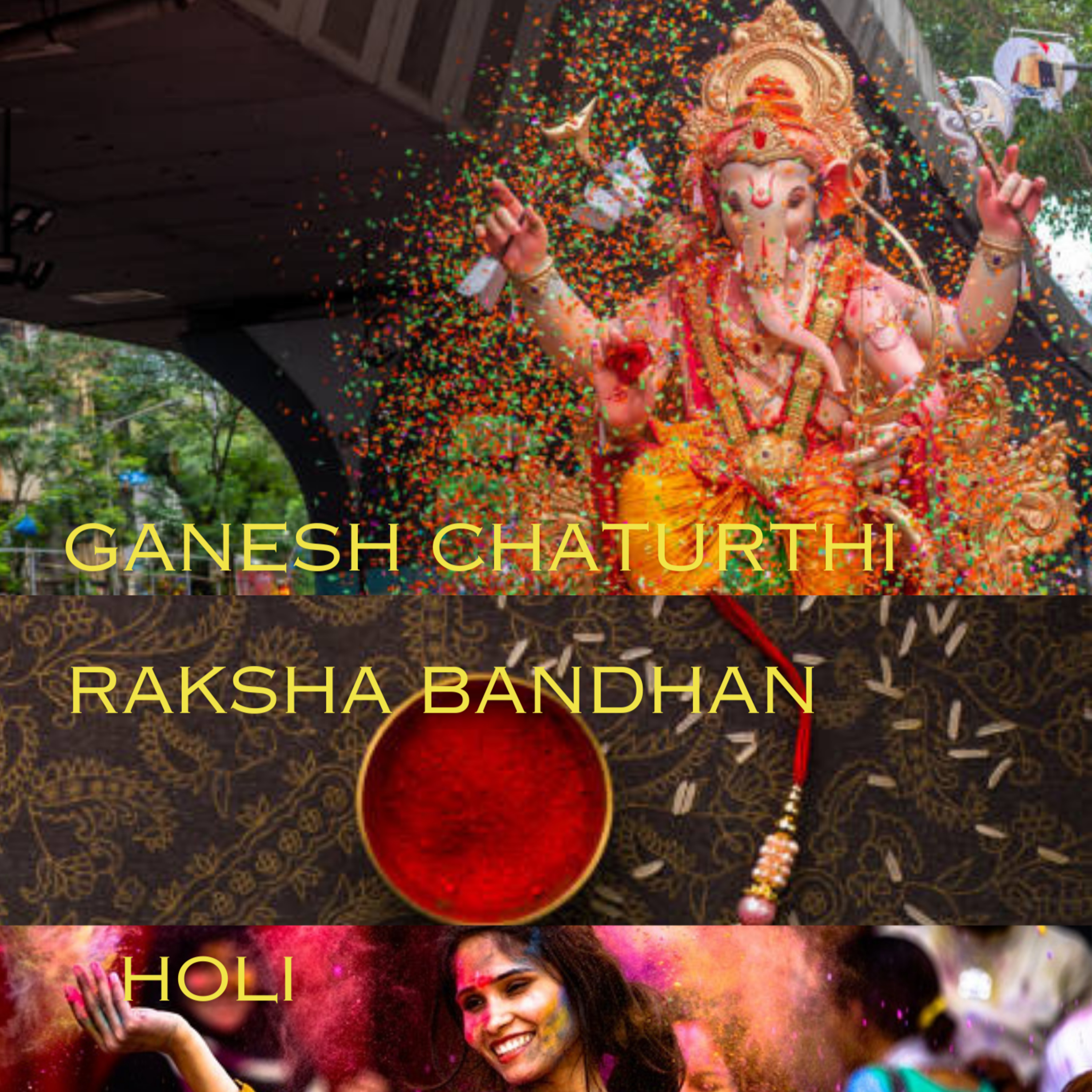
FASCINATING FACTS THE ECONOMIC STIMULI CREATED BY HINDU FESTIVALS IN INDIA As a sequel to the previous episode on festivals Diwali and Pongal and its economic impact in India in today’s podcast, the economic stimuli created by other Hindu festivals in India will be discussed elaborately. India with its rich cultural tapestry, boasts a plethora of festivals that go beyond their traditional and spiritual significance, acting as powerful economic stimuli. From Holi to Ganesh Chathurthi each festival contributes in unique ways to the nation's economic landscape fostering growth across diverse sectors. Holi, the festival of colors, heralds the arrival of spring and is celebrated with exuberance throughout the country. Economically, Holi serves as a catalyst for various industries, with a notable impact on the production and sale of colors, water guns, and traditional attire. The demand for vibrant colors and water balloons drives the manufacturing sector, providing a boost to small-scale enterprises engaged in producing these festive essentials. The hospitality industry witnesses increased footfall as people travel to be with their families and friends during Holi. Hotels and resorts experience a surge in bookings, while restaurants and eateries benefit from the heightened demand for festive foods and sweets. Transportation services, including trains and buses also see increased patronage as individuals travel to celebrate Holi in different regions of the country. Navratri, a nine-night festival dedicated to the goddess Durga has both cultural and economic significance. The festival involves vibrant celebrations including traditional dance forms like Garba and Dandiya. The demand for traditional attire, jewelry and accessories surges during Navratri, benefiting the textile and fashion industries. The event also provides a platform for local artisans and craftsmen to showcase and sell their creations supporting the handloom and handicraft sectors. The music and entertainment industry witnesses a spike in activity during Navratri, with various events, concerts and cultural programs organized to celebrate the festival. This not only provides a platform for artists but also generates revenue for event management companies, venue owners and related service providers. Raksha Bandhan, a festival celebrating the bond between brothers and sisters triggers economic activity through the exchange of gifts and the purchase of traditional Rakhis. Gift shops, markets and online platforms witness increased sales of sweets, chocolates and gift items during this period. The festival also leads to heightened demand for transportation services as individuals travel to be with their parents and siblings contributing to the travel and tourism sector. Ganesh Chaturthi, dedicated to Lord Ganesha, involves elaborate processions and community celebrations. The festival has economic implications in terms of the sale of idols, decorations and traditional sweets. The demand for eco-friendly Ganesh idols has led to the growth of a niche market benefiting artisans and entrepreneurs engaged in sustainable practices. In essence, the festivals of India create a vibrant tapestry of economic activity, influencing sectors ranging from retail, hospitality and transportation to manufacturing, entertainment and handicrafts. The real estate sector sees a positive impact during Festival seasons as well as families often celebrate by renovating or redecorating their homes. This surge in home improvement projects stimulates the construction and interior design industries creating economic opportunities within these sectors. These celebrations not only strengthen cultural bonds but also act as dynamic drivers of economic growth, showcasing the interconnectedness of tradition and commerce in the country's diverse and festive landscape.

FASCINATING FACTS THE ECONOMIC STIMULI CREATED BY HINDU FESTIVALS IN INDIA As a sequel to the previous episode on festivals Diwali and Pongal and its economic impact in India in today’s podcast, the economic stimuli created by other Hindu festivals in India will be discussed elaborately. India with its rich cultural tapestry, boasts a plethora of festivals that go beyond their traditional and spiritual significance, acting as powerful economic stimuli. From Holi to Ganesh Chathurthi each festival contributes in unique ways to the nation's economic landscape fostering growth across diverse sectors. Holi, the festival of colors, heralds the arrival of spring and is celebrated with exuberance throughout the country. Economically, Holi serves as a catalyst for various industries, with a notable impact on the production and sale of colors, water guns, and traditional attire. The demand for vibrant colors and water balloons drives the manufacturing sector, providing a boost to small-scale enterprises engaged in producing these festive essentials. The hospitality industry witnesses increased footfall as people travel to be with their families and friends during Holi. Hotels and resorts experience a surge in bookings, while restaurants and eateries benefit from the heightened demand for festive foods and sweets. Transportation services, including trains and buses also see increased patronage as individuals travel to celebrate Holi in different regions of the country. Navratri, a nine-night festival dedicated to the goddess Durga has both cultural and economic significance. The festival involves vibrant celebrations including traditional dance forms like Garba and Dandiya. The demand for traditional attire, jewelry and accessories surges during Navratri, benefiting the textile and fashion industries. The event also provides a platform for local artisans and craftsmen to showcase and sell their creations supporting the handloom and handicraft sectors. The music and entertainment industry witnesses a spike in activity during Navratri, with various events, concerts and cultural programs organized to celebrate the festival. This not only provides a platform for artists but also generates revenue for event management companies, venue owners and related service providers. Raksha Bandhan, a festival celebrating the bond between brothers and sisters triggers economic activity through the exchange of gifts and the purchase of traditional Rakhis. Gift shops, markets and online platforms witness increased sales of sweets, chocolates and gift items during this period. The festival also leads to heightened demand for transportation services as individuals travel to be with their parents and siblings contributing to the travel and tourism sector. Ganesh Chaturthi, dedicated to Lord Ganesha, involves elaborate processions and community celebrations. The festival has economic implications in terms of the sale of idols, decorations and traditional sweets. The demand for eco-friendly Ganesh idols has led to the growth of a niche market benefiting artisans and entrepreneurs engaged in sustainable practices. In essence, the festivals of India create a vibrant tapestry of economic activity, influencing sectors ranging from retail, hospitality and transportation to manufacturing, entertainment and handicrafts. The real estate sector sees a positive impact during Festival seasons as well as families often celebrate by renovating or redecorating their homes. This surge in home improvement projects stimulates the construction and interior design industries creating economic opportunities within these sectors. These celebrations not only strengthen cultural bonds but also act as dynamic drivers of economic growth, showcasing the interconnectedness of tradition and commerce in the country's diverse and festive landscape.

NOW PLAYING

FASCINATING FACTS - THE ECONOMIC STIMULI CREATED BY HINDU FESTIVALS IN INDIA

0:00 4:52

No transcript for this episode yet

We transcribe on demand. Request one and we'll notify you when it's ready — usually under 10 minutes.

Frequently Asked Questions

How long is this episode of BEYOND THE OBVIOUS?

This episode is 4 minutes long.

When was this BEYOND THE OBVIOUS episode published?

This episode was published on November 29, 2023.

What is this episode about?

FASCINATING FACTS THE ECONOMIC STIMULI CREATED BY HINDU FESTIVALS IN INDIA As a sequel to the previous episode on festivals Diwali and Pongal and its economic impact in India in today’s podcast, the economic stimuli created by other Hindu festivals...

Can I download this BEYOND THE OBVIOUS episode?

Yes, you can download this episode by clicking the download button on the episode player, or subscribe to the podcast in your preferred podcast app for automatic downloads.
URL copied to clipboard!