FASCINATING LANGUAGE : ON EUPHEMISM episode artwork

EPISODE · Dec 6, 2023 · 4 MIN

FASCINATING LANGUAGE : ON EUPHEMISM

from BEYOND THE OBVIOUS · host Purushothaman C

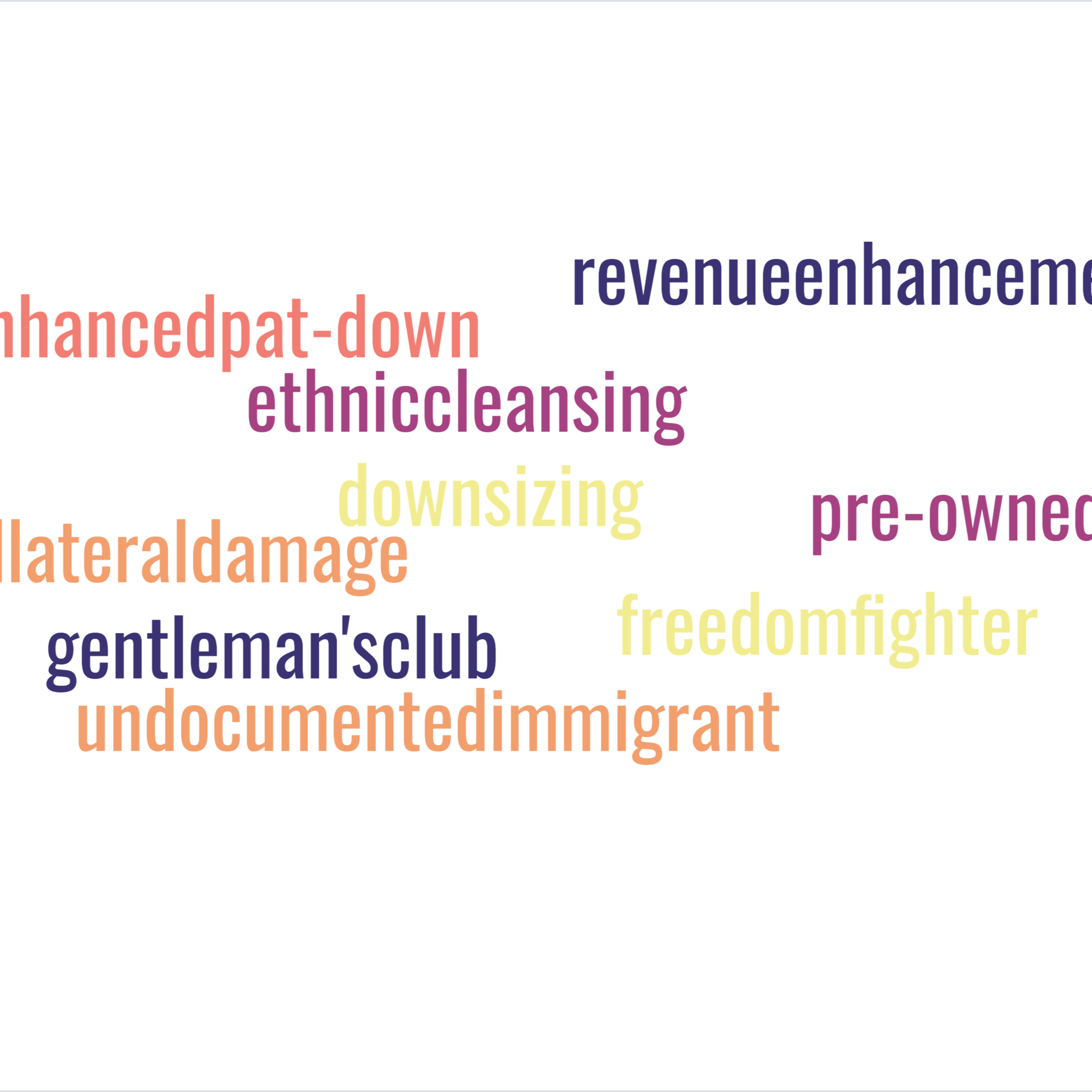
FASCINATING LANGUAGE: ON EUPHEMISM Euphemism is a linguistic device used to replace harsh, direct, or offensive words or phrases with milder, more socially acceptable ones. Euphemisms are often employed in various contexts to make communication more polite, less blunt or less uncomfortable. Here are some common examples and uses of euphemisms: Bathroom: Instead of directly referring to bodily functions, euphemisms like "restroom," "lavatory," or "powder room" are used to maintain politeness. Obesity: Rather than using the term "obese," which will be considered offensive, people may use euphemisms like "overweight" or "plus-sized". Aging: Euphemisms are often used to soften the idea of getting older. Phrases like "senior citizen," "golden years," or "mature" are employed to avoid negative connotations. Firing or Layoffs: In the workplace, saying someone was "let go," "downsized," or "rightsized" is often used instead of "fired" or "laid off." War and Conflict: Euphemisms are commonly used in the context of war to make harsh realities seem less brutal. For example, "collateral damage" instead of civilian casualties. Promote Inclusivity: Euphemisms are often used to promote inclusivity and avoid offense. For instance, "differently abled" instead of "disabled." Euphemisms in Business: In business, euphemisms can be used to soften negative news, such as calling layoffs a "restructuring" or referring to budget cuts as "cost optimization." Euphemisms in Diplomacy: In international relations, diplomats often use euphemisms to maintain a semblance of politeness and avoid escalation of conflicts. Terms like "constructive dialogue" may be used instead of "negotiations" or "talks." Euphemisms for Taboo Topics: Euphemisms are frequently employed when discussing sensitive or taboo topics like sex, drugs, and bodily functions. For example, "making love" instead of "having sex" or "substance abuse" instead of "drug addiction." Euphemisms can serve various purposes, from maintaining politeness and avoiding offense to downplaying harsh realities. However, they can also obscure meaning or create confusion if overused or misapplied. Therefore, it's essential to use euphemisms thoughtfully and consider the context in which they are employed to ensure clear communication. LIST OF EUPHEMISTIC WORDS Senior citizen (instead of old person) Vertically challenged (instead of short) Physically challenged (instead of disabled) Economically disadvantaged (instead of poor) In between jobs (instead of unemployed) Special needs (instead of disabled or handicapped) Visually impaired (instead of blind) Developmentally delayed (instead of mentally challenged) Alternative facts (instead of false information) Domestic engineer (instead of housewife) Guest worker (instead of temporary foreign worker) Enhanced interrogation techniques (instead of torture) Pre-owned (instead of used) Ethnic cleansing (instead of genocide) Gentleman's club (instead of strip club) Revenue enhancement (instead of tax increase) Downsizing (instead of layoffs) Freedom fighter (instead of rebel or insurgent) Collateral damage (instead of civilian casualties) Undocumented immigrant (instead of illegal immigrant) Enhanced pat-down (instead of invasive search) Politically incorrect (instead of offensive or insensitive) Alternative lifestyle (instead of unconventional lifestyle) Friendly fire (instead of accidental attack on one's own forces)

FASCINATING LANGUAGE: ON EUPHEMISM Euphemism is a linguistic device used to replace harsh, direct, or offensive words or phrases with milder, more socially acceptable ones. Euphemisms are often employed in various contexts to make communication more polite, less blunt or less uncomfortable. Here are some common examples and uses of euphemisms: Bathroom: Instead of directly referring to bodily functions, euphemisms like "restroom," "lavatory," or "powder room" are used to maintain politeness. Obesity: Rather than using the term "obese," which will be considered offensive, people may use euphemisms like "overweight" or "plus-sized". Aging: Euphemisms are often used to soften the idea of getting older. Phrases like "senior citizen," "golden years," or "mature" are employed to avoid negative connotations. Firing or Layoffs: In the workplace, saying someone was "let go," "downsized," or "rightsized" is often used instead of "fired" or "laid off." War and Conflict: Euphemisms are commonly used in the context of war to make harsh realities seem less brutal. For example, "collateral damage" instead of civilian casualties. Promote Inclusivity: Euphemisms are often used to promote inclusivity and avoid offense. For instance, "differently abled" instead of "disabled." Euphemisms in Business: In business, euphemisms can be used to soften negative news, such as calling layoffs a "restructuring" or referring to budget cuts as "cost optimization." Euphemisms in Diplomacy: In international relations, diplomats often use euphemisms to maintain a semblance of politeness and avoid escalation of conflicts. Terms like "constructive dialogue" may be used instead of "negotiations" or "talks." Euphemisms for Taboo Topics: Euphemisms are frequently employed when discussing sensitive or taboo topics like sex, drugs, and bodily functions. For example, "making love" instead of "having sex" or "substance abuse" instead of "drug addiction." Euphemisms can serve various purposes, from maintaining politeness and avoiding offense to downplaying harsh realities. However, they can also obscure meaning or create confusion if overused or misapplied. Therefore, it's essential to use euphemisms thoughtfully and consider the context in which they are employed to ensure clear communication. LIST OF EUPHEMISTIC WORDS Senior citizen (instead of old person) Vertically challenged (instead of short) Physically challenged (instead of disabled) Economically disadvantaged (instead of poor) In between jobs (instead of unemployed) Special needs (instead of disabled or handicapped) Visually impaired (instead of blind) Developmentally delayed (instead of mentally challenged) Alternative facts (instead of false information) Domestic engineer (instead of housewife) Guest worker (instead of temporary foreign worker) Enhanced interrogation techniques (instead of torture) Pre-owned (instead of used) Ethnic cleansing (instead of genocide) Gentleman's club (instead of strip club) Revenue enhancement (instead of tax increase) Downsizing (instead of layoffs) Freedom fighter (instead of rebel or insurgent) Collateral damage (instead of civilian casualties) Undocumented immigrant (instead of illegal immigrant) Enhanced pat-down (instead of invasive search) Politically incorrect (instead of offensive or insensitive) Alternative lifestyle (instead of unconventional lifestyle) Friendly fire (instead of accidental attack on one's own forces)

NOW PLAYING

FASCINATING LANGUAGE : ON EUPHEMISM

0:00 4:53

No transcript for this episode yet

We transcribe on demand. Request one and we'll notify you when it's ready — usually under 10 minutes.

Frequently Asked Questions

How long is this episode of BEYOND THE OBVIOUS?

This episode is 4 minutes long.

When was this BEYOND THE OBVIOUS episode published?

This episode was published on December 6, 2023.

What is this episode about?

FASCINATING LANGUAGE: ON EUPHEMISM Euphemism is a linguistic device used to replace harsh, direct, or offensive words or phrases with milder, more socially acceptable ones. Euphemisms are often employed in various contexts to make communication more...

Can I download this BEYOND THE OBVIOUS episode?

Yes, you can download this episode by clicking the download button on the episode player, or subscribe to the podcast in your preferred podcast app for automatic downloads.
URL copied to clipboard!