PodParley PodParley

Fasika as Resurrection

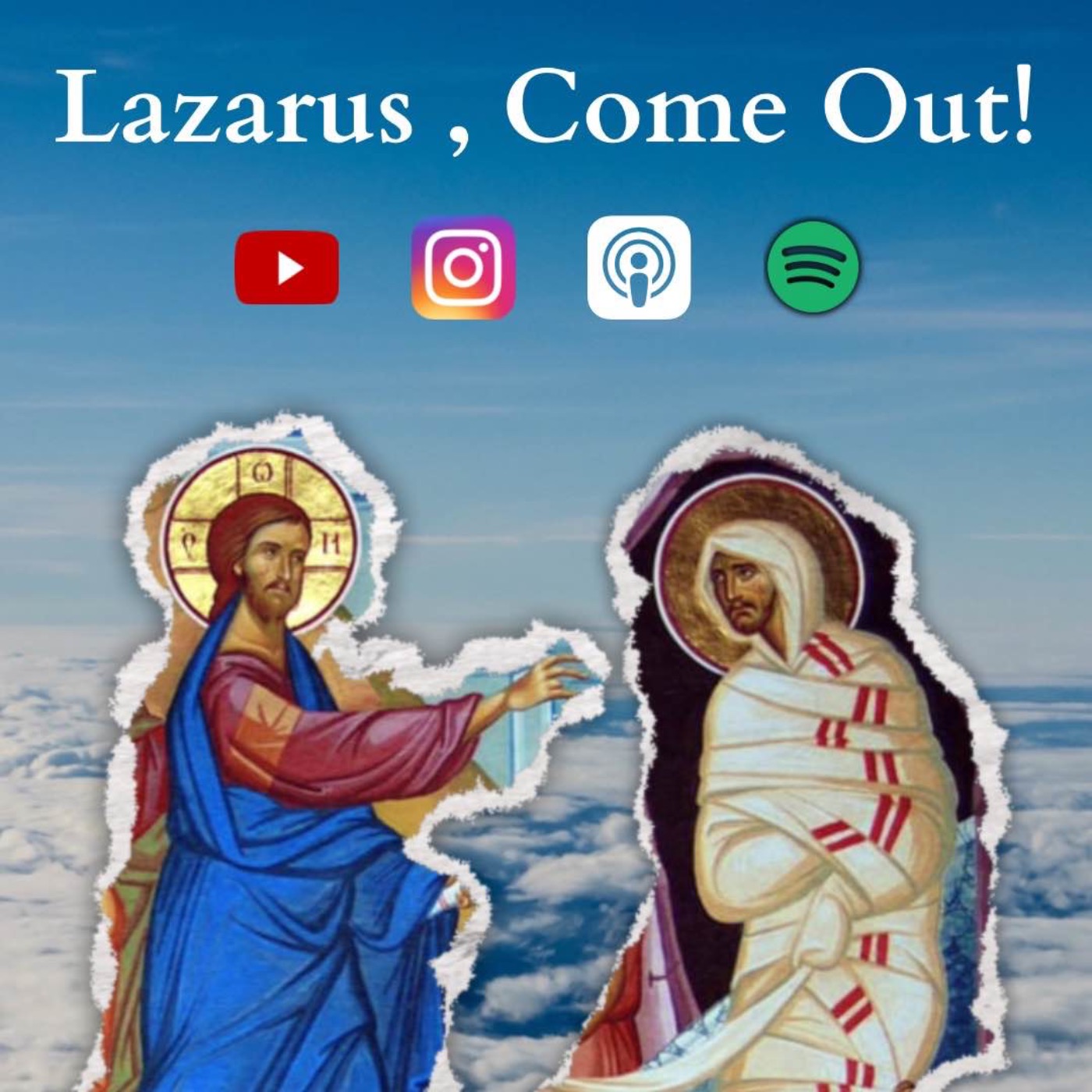
Episode 7 of the Lazarus, Come Out! podcast, hosted by Nahom Mulugeta, titled "Fasika as Resurrection" was published on July 19, 2024 and runs 31 minutes.

July 19, 2024 ·31m · Lazarus, Come Out!

0:00 / 0:00

The Last Episode of the Lazarus Come Out!Join for a reflective episode on the journey embarked on the past few episodes (out on spotify and apple podcasts) and how that is IDENTICAL to the thematic significance of ፋሲካ (Passover) in The Ethiopian Orthodox LectionaryIf you want more episodes go ahead and check out this channel:https://www.youtube.com/@TewahedoTodayhttps://www.instagram.com/tewahedo_tn Hosted on Acast. See acast.com/privacy for more information.

The Last Episode of the Lazarus Come Out!


Join for a reflective episode on the journey embarked on the past few episodes (out on spotify and apple podcasts) and how that is IDENTICAL to the thematic significance of ፋሲካ (Passover) in The Ethiopian Orthodox Lectionary


If you want more episodes go ahead and check out this channel:


https://www.youtube.com/@TewahedoToday


https://www.instagram.com/tewahedo_tn


Hosted on Acast. See acast.com/privacy for more information.

Agamemnon's Tomb by Emma Lazarus (1849 - 1887) LibriVox LibriVox volunteers bring you 10 recordings of Agamemnon's Tomb, by Emma Lazarus.This was the Fortnightly Poetry project for May 16, 2021. ------Emma Lazarus was an American author of poetry, prose, and translations, as well as an activist for Jewish causes.She wrote the sonnet "The New Colossus" in 1883. Its lines appear inscribed on a bronze plaque, installed in 1903, on the pedestal of the Statue of Liberty. - Summary by Wikipedia Estella Says Estella Celeste Estella Celeste started this podcast when she was only 7-years-old. She shares her perspective on life using her lighthearted charm and natural sense of humour. In each episode, Estella and her special guests talk about issues that affect kids as well as talk about things kids typically talk about. Estella uses her now, 9 years of world experience, quick wit, critical thinking skills and her IMAGINATION when talking about these topics that are relevant to kids! This engaging, refreshing and feel-good podcast is sure to brighten your day whether you are a child or a grown-up. Credits: Original music by Lazarus Troy, Estella's 11-year-old brother. Dr. Esperanto’s International Language, Introduction and Complete Grammar L. L. Zamenhof In July 1887, Esperanto made its debut as a 40-page pamphlet from Warsaw, published in Russian, Polish, French and German: all written by a Polish eye-doctor under the pen-name of Dr. Esperanto (“one who hopes”). Ludovic Lazarus Zamenhof (1859-1917) had a gift for languages, and a calling to help foster world amity: by a neutral “Internacia Lingvo” that anyone anywhere could readily use as a second language: neither forsaking a mother tongue, nor imposing it. In 1889 Zamenhof published an English translation by Richard H. Geoghegan, a young Irish linguist. All five are respectively considered the “First Book”. This classic sets forth Esperanto pretty much as we know it today (except that we no longer use internal apostrophes for composite words). Its original repertoire of 900 root words has grown tenfold in the past century, but you can still almost make do with the vocabulary herein. -- Summary by Gene Keyes
URL copied to clipboard!