
EPISODE · Feb 12, 2026 · 3 MIN
Feeding the Rainforest at Osa Conservation
from The EarthStory Podcast · host EarthStory
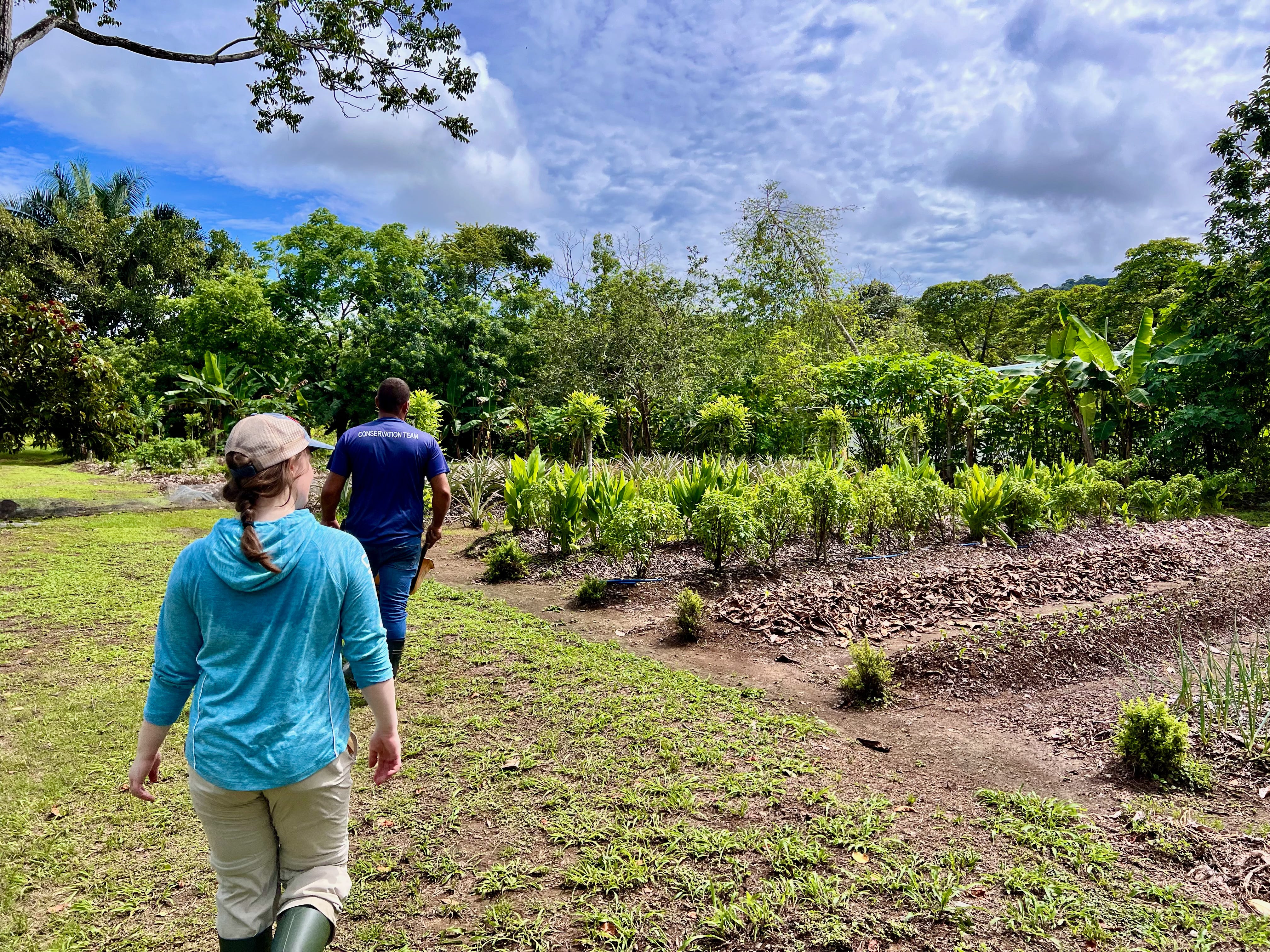
Meet Marco Lopez and the Osa Regenerative Farm. What is regenerative agriculture? It sounds like a good thing, but what does it look like in practice? And what does it mean in the middle of dense tropical rainforest?While I was visiting Osa Conservation, I had the opportunity to volunteer on their regenerative farm. The first thing I learned about regenerative farming: it requires intense, unyielding, back-aching work.You are probably thinking, well, of course. Farming is essentially labor-intensive in every way imaginable. Something about this farm was different. It wasn’t the same maneuver, the same harvest, the same planting row upon row. It was, rather, an immense garden bursting at the seams.The first thing you notice when you enter the farm is dozens of rows of crops. That sounds about right, yes? Well, look a little bit closer. Each and every row is different from the other. There are tall green shoots, short stems, shaggy leaves, drooping vegetables like cucumbers, an overabundance of bananas, peppers of every imaginable color, ginger, herbs of every shape, and even vanilla beans. That’s just one row. Now look to your left. You will see dozens more rows with the same prolific variation.Our job as volunteers was to harvest the cucumbers and remove all of the roughage from the root to the leaves. The vines, leaves, and roots were quite content to remain in the ground, thank you very much.Very quickly, we learned why it was essential to remove the entirety of these cucumber plants. There were ginger sprouts already eagerly poking through the ground and looking for light!The ginger has been there since before even the cucumbers were planted. They waited patiently while the cucumbers reached their green fingers out of the soil to the birth of the sturdy, bulbous green and water-laden vegetable. All the while, the ginger had been slowly growing and getting ready to poke its own green fingers into the open air. These two, somewhat disparate plants, grew together. They helped each other (until they outgrew each other). (Please note these are the words of a curious observer, not a real botanist.)My fellow cucumber-harvesters and I stood up to survey our labors that felt hard-won under the oppressive tropical sun. When I looked around, I was painfully aware that we had just tended to only one of many dozens of rows that leafed and flowered as if to say, “okay, my turn!"Our fearless leaders, Chonga and Marco, shared with us that they had started their day on the farm at around 3 in the morning. That was roughly ten hours before we stood there, drenched in sweat after just an hour of working. While we regained our electrolytes with fresh coconut water, we watched Chonga and Marco simply turn to the next bed and tend to the harvesting and composting efforts required by the next set of verdant plants.I learned from this experience that regenerative agriculture is a labor of love for life itself. The resplendent leafy plants, fruits, and vegetables that make it to the table nourish the human beings on the Osa Peninsula. The rotting and deceased fruits find their way into ripe compost piles that become the rich beginnings of new soil and create layers upon layers of ingredients for the next life to come. Even in death, the conditions for life are created again.The glory of growing food in this way is the diversity of life that is supported. What is the key to life on planet Earth? Biodiversity. The flourishing of a multiplicity of living beings. That’s it.We need each other. And the only way we can support one another is by tending gardens that help each other. From soil, to seed, to shoot, to flower, to fruit, back to soil — and then the next shoot, stem, flower, and decay. It is a cycle that never ceases. It is true abundance: the essential nature of Mother Earth.Thank you Marco, Chonga, and the many others who help feed the beings of the Osa rainforest. This is a public episode. If you would like to discuss this with other subscribers or get access to bonus episodes, visit earthstoryourstory.substack.com
NOW PLAYING
Feeding the Rainforest at Osa Conservation
No transcript for this episode yet
Similar Episodes
No similar episodes found.