
EPISODE · May 3, 2018 · 57 MIN
FinTech Innovation with Paolo Sironi (Author and Thought Leader at IBM Watson & IBM Industry Academy) | EP14
from Fintech Impact
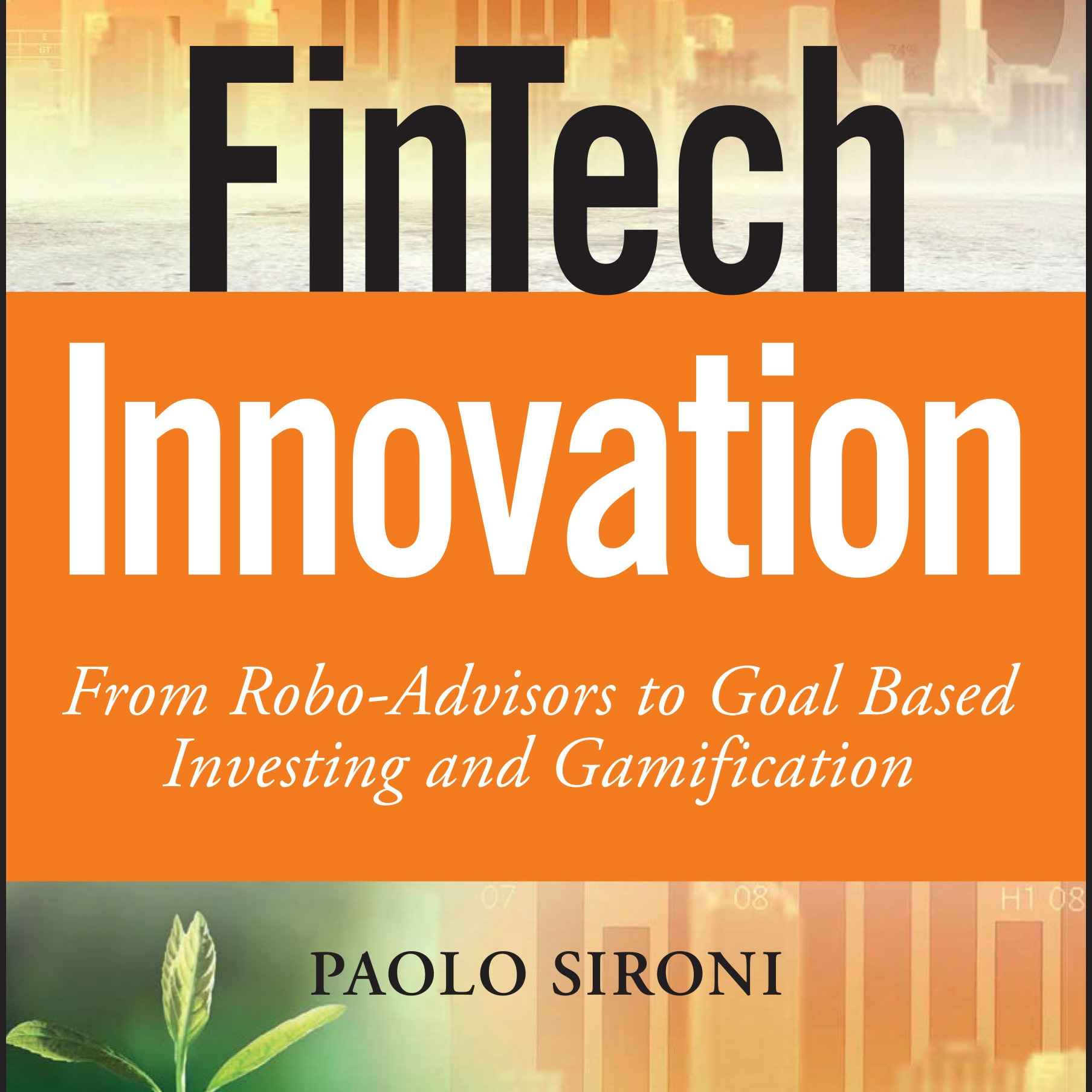
During the 14th episode of Fintech Impact, Jason Pereira, interviews Paolo Sironi, Fintech thought leader and author who currently works at IBM Watson Financial Services at the IBM Industry Academy. Paolo shares information that he has gained about our relationship with money, how it is changing, and the ways in which Fintech plays a role in that relationship.●01:06: – Paolo Sironi is Italian, splitting his time between Frankfort Germany and Milan Italy.●01:19 – Through his role at the IBM Watson Financial Services at the IBM Industry Academy, he works with a 100-person team worldwide that engaged in conversations with the Fintech industries.●03:35 – Paolo began his career in banking as the head of quantitative business management for financial institutions for about 15 years, then moved to Germany in 2008 pushing towards Fintech, and in 2012 IBM brought his Fintech and brought him into their fold.●10:00 – The global financial crisis demonstrated to a lot of investors that the regulators have to toughen the rules so that more value is transferred to the investors.●12:56 – Companies have the opportunity to revise their business model from transaction volumes to services with added value for the clients where the relationship is more valuable than the experience.●16:09 – Silicon Valley missed the ball when it has come to Fintech because they approach it with the same psychology that makes customers purchase through Amazon.com, and they think this equally applies to financial and insurance products.●22:22 – Paying is more engaging than posting pictures because it is something we all have to do. ●29:27 – IBM uses the phrase “cognitive” instead of “artificial intelligence” when referring to A.I.●33:31 – What clients buy from financial advisors is not performance or risk, the client pays for the comfort of making a financial decision. That’s why they need a conversation, which builds trust.●38:02 – WeChat, a multi-purpose Chinese social network got a license this year to sell investment funds directly.●39:29 – Disruptive innovation is when an industry is saturated and customers don’t understand the value proposition any longer—and someone comes along offering a cheaper and/or simpler to use solution. While sustaining innovation is offering an improved version of your product.●48:37 – With the goal of retirement, you have to make many decisions before: saving, investing, insuring, lending, and donating.●50:40 – The next global financial crisis may be triggered by retirement because our retirement system is very imbalanced everywhere. Investing will need to start earlier.●52:07 – Paolo Sironi has written several financial technology books: “FinTech Innovation: From Robo-Advisors to Goal Based Investing and Gamification,” “Modern Portfolio Management: From Markowitz to Probabilistic Scenario Optimization,” and “MiFID II: Value-Generation for Investors.”3 Key Points:1.The United States is where technology was born. Europe focuses on regulation. China concentrates on the business model.2.Digital is a “pull” technology because it is demand-driven and investing and insurance is a “push” technology because it is offer driven.3.Disruptive innovation is when an industry is saturated and customers don’t understand the value proposition any longer—and someone comes along offering a cheaper and/or simpler to use solution. Sustaining innovation is offering an improved version of your product.Tweetable Quotes:-“In the U.S., in particular, technology was born, and still this is the case largely speaking. Europe likes regulation which is important. China is the business model.” –Paolo Sironi.-“This industry has to change from a transaction mechanism where you make money by selling products which have an embedded commission or fee, into packaging those products into something which is called advice that the clients are willing to pay for transparently.” –Paolo Sironi.-“The cost can bite your sandwich, while the risk can eat your lunch.” –Paolo Sironi.Resources Mentioned:●Facebook – Jason Pereira’s Facebook●LinkedIn – Jason Pereira’s LinkedIn●Paolo Sironi– LinkedIn for Paolo Sironi●Website – Website for Paolo Sironi Hosted on Acast. See acast.com/privacy for more information.
What this episode covers
During the 14th episode of Fintech Impact, Jason Pereira, interviews Paolo Sironi, Fintech thought leader and author who currently works at IBM Watson Financial Services at the IBM Industry Academy. Paolo shares information that he has gained about our relationship with money, how it is changing, and the ways in which Fintech plays a role in that relationship.●01:06: – Paolo Sironi is Italian, splitting his time between Frankfort Germany and Milan Italy.●01:19 – Through his role at the IBM Watson Financial Services at the IBM Industry Academy, he works with a 100-person team worldwide that engaged in conversations with the Fintech industries.●03:35 – Paolo began his career in banking as the head of quantitative business management for financial institutions for about 15 years, then moved to Germany in 2008 pushing towards Fintech, and in 2012 IBM brought his Fintech and brought him into their fold.●10:00 – The global financial crisis demonstrated to a lot of investors that the regulators have to toughen the rules so that more value is transferred to the investors.●12:56 – Companies have the opportunity to revise their business model from transaction volumes to services with added value for the clients where the relationship is more valuable than the experience.●16:09 – Silicon Valley missed the ball when it has come to Fintech because they approach it with the same psychology that makes customers purchase through Amazon.com, and they think this equally applies to financial and insurance products.●22:22 – Paying is more engaging than posting pictures because it is something we all have to do. ●29:27 – IBM uses the phrase “cognitive” instead of “artificial intelligence” when referring to A.I.●33:31 – What clients buy from financial advisors is not performance or risk, the client pays for the comfort of making a financial decision. That’s why they need a conversation, which builds trust.●38:02 – WeChat, a multi-purpose Chinese social network got a license this year to sell investment funds directly.●39:29 – Disruptive innovation is when an industry is saturated and customers don’t understand the value proposition any longer—and someone comes along offering a cheaper and/or simpler to use solution. While sustaining innovation is offering an improved version of your product.●48:37 – With the goal of retirement, you have to make many decisions before: saving, investing, insuring, lending, and donating.●50:40 – The next global financial crisis may be triggered by retirement because our retirement system is very imbalanced everywhere. Investing will need to start earlier.●52:07 – Paolo Sironi has written several financial technology books: “FinTech Innovation: From Robo-Advisors to Goal Based Investing and Gamification,” “Modern Portfolio Management: From Markowitz to Probabilistic Scenario Optimization,” and “MiFID II: Value-Generation for Investors.”3 Key Points:1.The United States is where technology was born. Europe focuses on regulation. China concentrates on the business model.2.Digital is a “pull” technology because it is demand-driven and investing and insurance is a “push” technology because it is offer driven.3.Disruptive innovation is when an industry is saturated and customers don’t understand the value proposition any longer—and someone comes along offering a cheaper and/or simpler to use solution. Sustaining innovation is offering an improved version of your product.Tweetable Quotes:-“In the U.S., in particular, technology was born, and still this is the case largely speaking. Europe likes regulation which is important. China is the business model.” –Paolo Sironi.-“This industry has to change from a transaction mechanism where you make money by selling products which have an embedded commission or fee, into packaging those products into something which is called advice that the clients are willing to pay for transparently.” –Paolo Sironi.-“The cost can bite your sandwich, while the risk can eat your lunch.” –Paolo Sironi.Resources Mentioned:●Facebook – Jason Pereira’s Facebook●LinkedIn – Jason Pereira’s LinkedIn●Paolo Sironi– LinkedIn for Paolo Sironi●Website – Website for Paolo Sironi Hosted on Acast. See acast.com/privacy for more information.
NOW PLAYING
FinTech Innovation with Paolo Sironi (Author and Thought Leader at IBM Watson & IBM Industry Academy) | EP14
No transcript for this episode yet
Similar Episodes
Apr 29, 2026 ·48m
Apr 29, 2026 ·106m
Apr 29, 2026 ·55m
Apr 29, 2026 ·74m