
EPISODE · Jan 13, 2026 · 6 MIN
Following the Fufu Trail
from Heritage Food Stories Podcast · host Chef Mireille
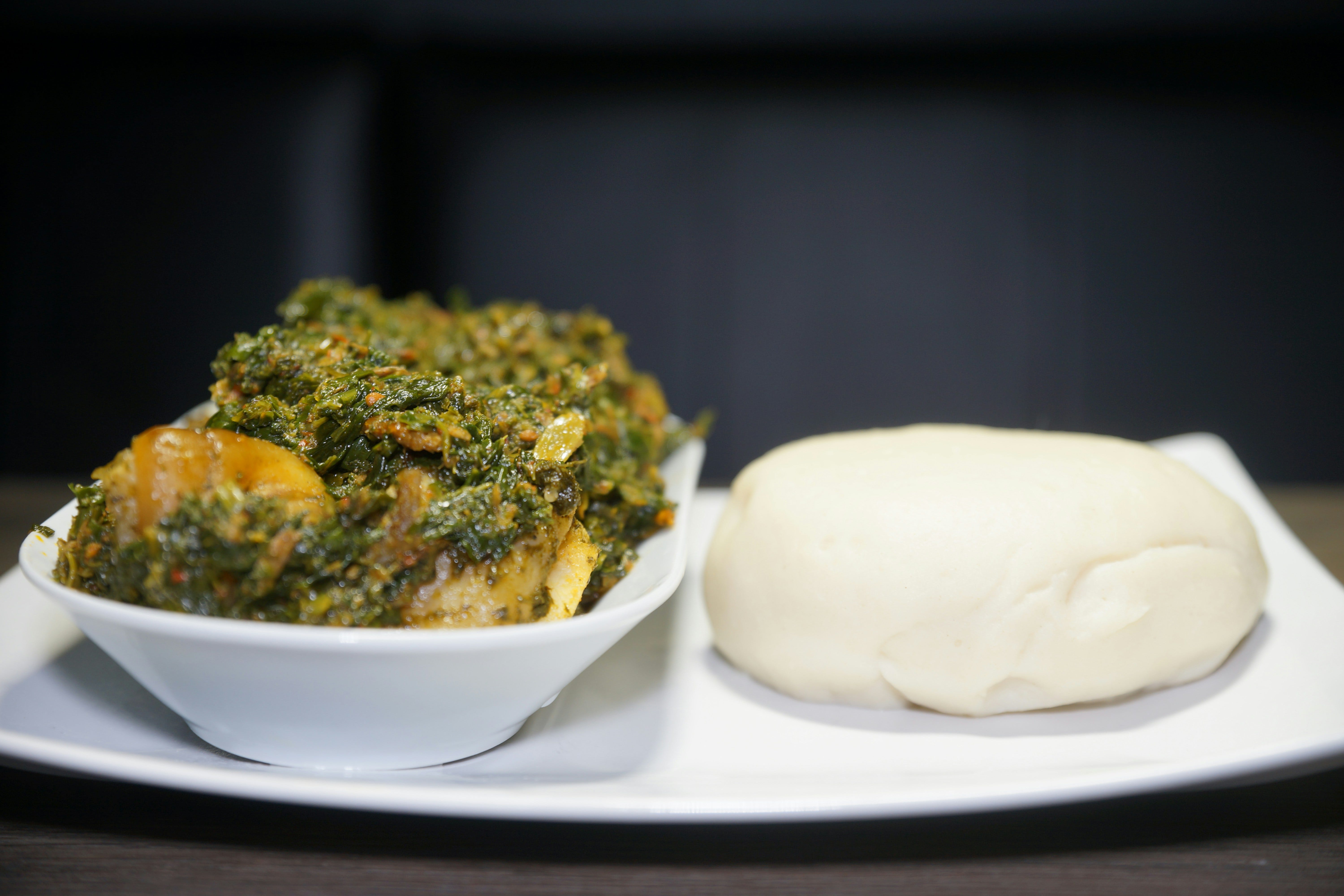
🎧 Prefer listening? This article is available as a podcast episode above.West African fufu has officially taken the world by storm.Just a few years ago, the average person might not have been able to tell you what fufu and egusi soup were. Fast forward to today, and if you scroll through TikTok, Instagram, or YouTube, you can’t go more than a few seconds without seeing someone dramatically stretching fufu, dipping it into stew, or trying it for the very first time.But here’s the part of the story that often gets left out of the viral food conversation: Fufu didn’t stop in West Africa.Through the transatlantic slave trade, African foodways traveled across the Atlantic, took root in the Caribbean and coastal Latin America, and evolved into new—but deeply connected—dishes. When you start tracing the culinary lineage, you begin to see a clear fufu trail stretching from West Africa to the Caribbean diaspora.And once you see it, you can’t unsee it.What Exactly Is Fufu?Before we go any further, let’s back up—because despite its popularity, many people are still asking What is fufu?The word fufu comes from the Twi language spoken by the Akan people of Ghana, and it’s the term most commonly recognized in Western media. However, West Africa is home to hundreds of languages and ethnic groups, so this dish goes by many names across the continent.Variations of fufu can be found throughout Ghana, Sierra Leone, Ivory Coast, Cameroon, Burkina Faso, Gabon, Angola, and beyond.At its core, fufu is made from starchy ingredients such as:* Cassava* Green plantain* YamThese ingredients are boiled and then traditionally pounded with a wooden mortar and pestle until completely smooth and elastic—often described as having a texture similar to very smooth mashed potatoes or dough.On its own, fufu is intentionally mild. It’s designed to be a vehicle for bold, deeply seasoned soups and stews, like egusi, groundnut soup, palm nut soup, or okra stew.Caribbean Fufu: Same Roots, New ExpressionsCuisine does not develop in a vacuum.As Africans were forcibly displaced across the Atlantic, they adapted their food traditions to locally available ingredients, regional tastes, and colonial realities. The result? A fascinating family tree of dishes that may go by different names—but still follow the same culinary logic as West African fufu.Across the Caribbean and Caribbean-influenced regions of Central and South America, you’ll find dishes that involve boiled starches, pounded or mashed until smooth, and eaten with richly seasoned accompaniments.Sound familiar?Here are some of the most well-known Caribbean fufu descendants:* Puerto Rican Mofongo – pounded green plantains with garlic and fried pork skin* Dominica Ton Ton – pounded breadfruit or dasheen (a type of taro root)* Haitian Tom Tom – pounded breadfruit, often served with okra sauce* Surinamese Tom Tom – pounded green plantain and cassava* Guyanese Fufu – pounded green plantain* Garifuna Hudut (Machuca) – pounded green and ripe plantains, made in Honduras, Belize, and Nicaragua* Dominican Mangú – mashed green plantains, typically served with pickled red onionsWhile the seasonings, textures, and accompaniments may differ, the technique and cultural purpose remain remarkably consistent.Beyond Tubers: Grain-Based Fufu VariationsNot all fufu is made from roots or plantains.Some West African and diasporic versions are made from grains like millet or corn, which opens up another important conversation about culinary exchange.In Barbados, cou-cou and flying fish—the national dish—features a cornmeal-based preparation closely related to African and Afro-diasporic starch dishes cooked with okra.However, it’s also important to note that not every cornmeal dish in the Caribbean is African in origin. For example, funchi in the Dutch Caribbean has strong ties to Indigenous Caribbean foodways, reminding us that Caribbean cuisine is layered, complex, and shaped by multiple histories.Following the Fufu TrailWhen you start following the fufu trail, you’re not just looking at food—you’re looking at migration, survival, adaptation, and memory.Different names. Different ingredients. But the same ancestral blueprint.So now I’m curious—Did I miss any fufu cousins where you’re from?Drop them in the comments and let’s keep tracing the trail together.Chef Mireille is a classically trained chef who writes content around international food, recipes, travel and culture. Find over 1000 recipes from around the world on her website at globalkitchentravels.comThanks for reading Heritage Food Stories! This post is public so feel free to share it. Get full access to Heritage Food Stories at heritagefoodstories.substack.com/subscribe
NOW PLAYING
Following the Fufu Trail
No transcript for this episode yet
Similar Episodes
Mar 26, 2026 ·1m
Mar 19, 2026 ·34m
Feb 18, 2026 ·11m
Feb 11, 2026 ·45m