
EPISODE · Mar 18, 2019 · 46 MIN
FOW2: Dr Michael Gilliam - Exponential data will lead to the next revolution in human thinking
from The Future of Work · host Singapore Institute of Management
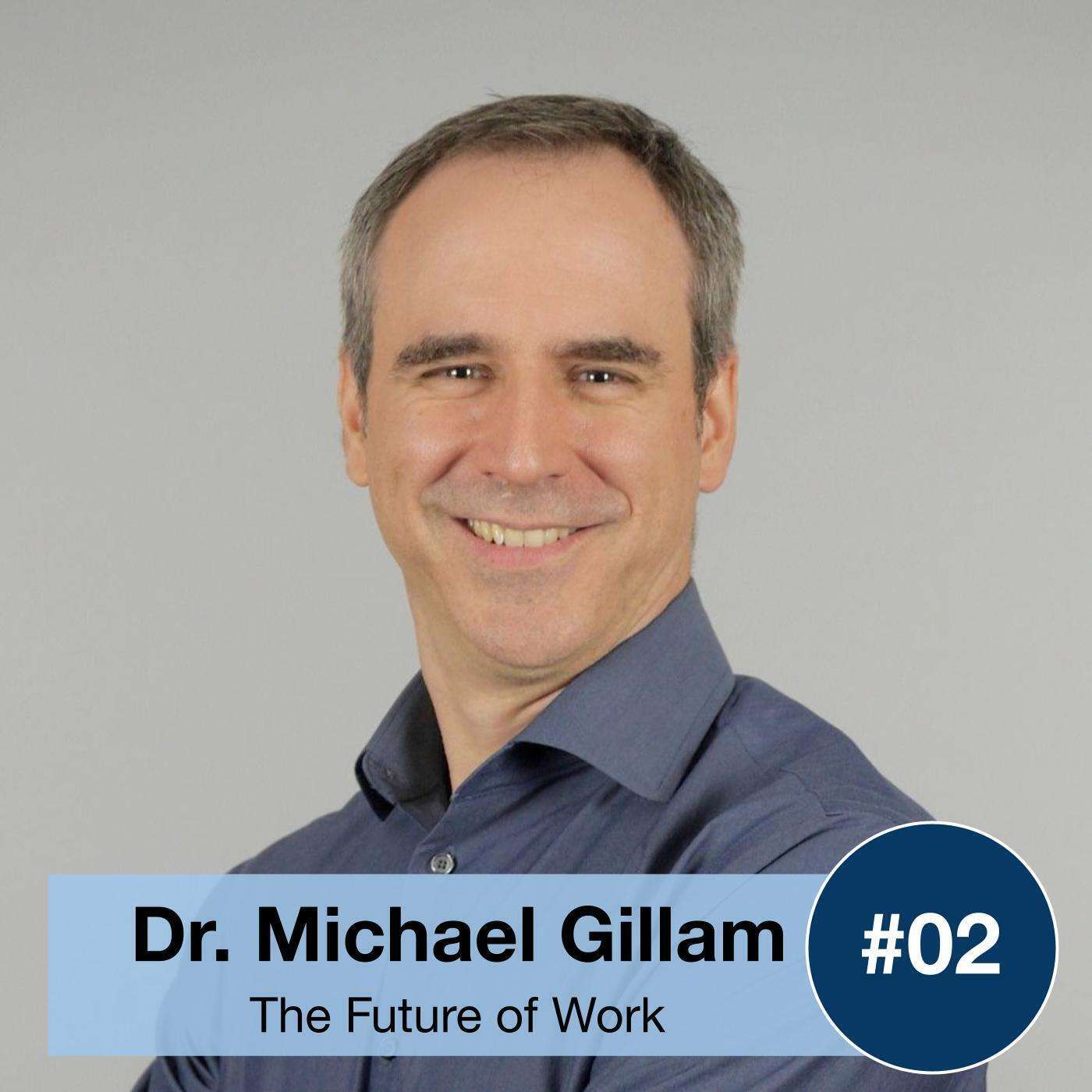
In this episode of the SIM podcast, we talk to Dr. Michael Gillam (CEO - HealthLabs, a discovery automation company for big data and machine intelligence models) as he joins host Graham Brown for a conversation on exponential data. Michael tells us how in this age of exponential data acute creation, a shortage of data scientists is leading to inefficiencies in organizational systems and explains to us terms like "dark data", "data lake", "data pond", "lake binding" etc. They also talk about the Copernican shift taking place in the data space where the center of the universe is shifting from companies to the common citizens. We learn about the new protocols under experimentation using upcoming technologies like blockchain which will enable ownership and control of private data to remain in the individual's hands stored within their digital data vaults, allowing individuals to monetize as well as securely distribute access to his/her data only to approved entities. Over the course of the podcast, we hear some interesting possible use case scenarios with generated & analyzed data in the future. Listen to the entire fascinating conversation here to know more in depth about exponential data and the interesting path big data and analytics is going to lead us into in future. Also, Dr. Michael Gillam will be coming to Singapore for the Singularity University event to share his thoughts on thriving and surviving in the age of big data.
What this episode covers
In this episode of the SIM podcast, we talk to Dr. Michael Gillam (CEO - HealthLabs, a discovery automation company for big data and machine intelligence models) as he joins host Graham Brown for a conversation on exponential data. Michael tells us how in this age of exponential data acute creation, a shortage of data scientists is leading to inefficiencies in organizational systems and explains to us terms like "dark data", "data lake", "data pond", "lake binding" etc. They also talk about the Copernican shift taking place in the data space where the center of the universe is shifting from companies to the common citizens. We learn about the new protocols under experimentation using upcoming technologies like blockchain which will enable ownership and control of private data to remain in the individual's hands stored within their digital data vaults, allowing individuals to monetize as well as securely distribute access to his/her data only to approved entities. Over the course of the podcast, we hear some interesting possible use case scenarios with generated & analyzed data in the future. Listen to the entire fascinating conversation here to know more in depth about exponential data and the interesting path big data and analytics is going to lead us into in future. Also, Dr. Michael Gillam will be coming to Singapore for the Singularity University event to share his thoughts on thriving and surviving in the age of big data.
NOW PLAYING
FOW2: Dr Michael Gilliam - Exponential data will lead to the next revolution in human thinking
No transcript for this episode yet
Similar Episodes
Mar 26, 2026 ·1m
Mar 19, 2026 ·34m
Feb 18, 2026 ·11m
Feb 11, 2026 ·45m