
EPISODE · Oct 25, 2025 · 24 MIN
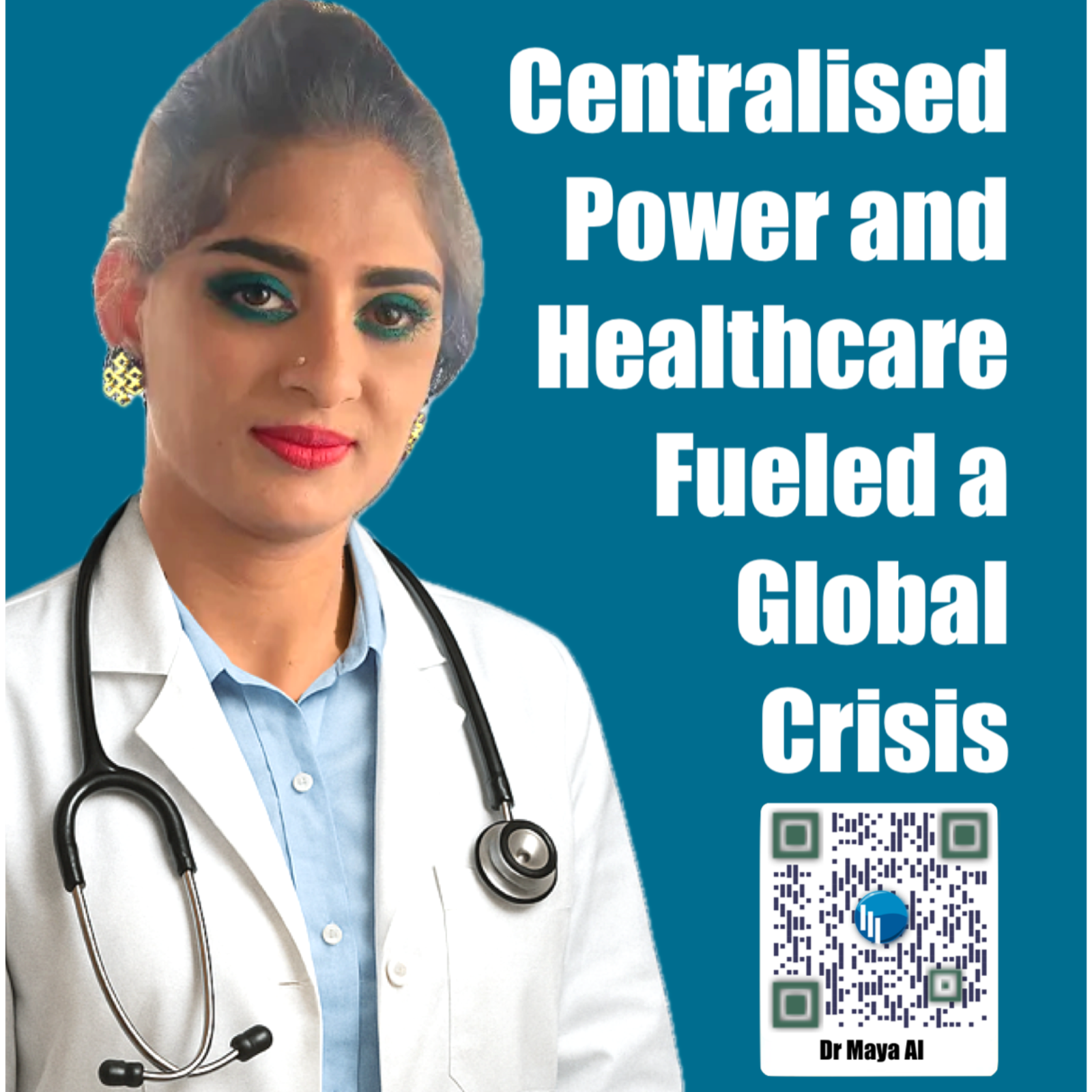
From Divide and Rule to Superbugs: How Centralised Power and Healthcare Fueled a Global Crisis
from The Dr Maya Way
The modern healthcare crisis, characterised by escalating costs, profound inefficiency, and the existential threat of drug-resistant infections, is not merely a contemporary phenomenon but the result of historical centralisation of power and subsequent policy decisions that prioritised profit and control over preventive health and clinical expertise. The sources argue that this system, built on economic and political interests, has created a culture of dependence and malpractice, now threatened by microscopic enemies—the superbugs.The Centralised Roots of Modern MedicineThe structure of modern, allopathic medicine (focused on drugs and surgery) is viewed as a consequence of calculated efforts by powerful financial interests in the late 19th and early 20th centuries. This centralisation involved deliberately eliminating traditional healing methods, such as herbal and holistic medicine, which were considered valid until this era. The process included:Gatekeeping: The American Medical Association (AMA), funded by corporate magnates, became the gatekeeper, establishing standards and accrediting schools and hospitals that adhered to allopathic principles.Profit Motive: Hospitals shifted from being charitable shelters to monopolised industries tied to the interests of their benefactors, ensuring the system focused on interventions for populations rather than personalised care. This model ensures profits by treating chronic illnesses with "a revolving door of medications" rather than prevention.Policy Failures and Systemic DivisionThe crisis is exacerbated by systemic policy failures, particularly in publicly funded services like the UK's National Health Service (NHS), which faces "medieval" levels of health inequality and spends an estimated £50 billion a year addressing the consequences of deprivation.A key point of contention is the government's approach to managing care, which relies heavily on protocols and non-medically trained staff to reduce costs and increase access—a move characterised as "quackery" and "unethical".Delegating AuthorityErosion of Care QualityProfessional ConflictThe $100 Trillion Threat: SuperbugsThe outcome of this history of centralised control, profit prioritisation, and reckless antibiotic use is the rise of Antimicrobial Resistance (AMR)—the superbug crisis.• Scale of the Catastrophe: AMR is projected to cause 300 million premature deaths and an economic loss of up to $100 trillion to the global economy by 2050 if drug resistance is not addressed. This threat is considered 20 times more lethal than COVID-19.Spread via Misuse and Environment:Hospitals as Hotspots: Lack of New Drugs:The Solution: Decentralised Knowledge and IsolationThe sources advocate for a radical shift in approach, moving away from centralised dependence toward individual empowerment and proactive public health measures, encapsulated by the philosophy "Knowledge of Health is Knowledge of Life".Self-Diagnosis and EmpowermentSystemic ContainmentChanging the Paradigm: The ultimate aim is to dismantle the illusion that healthcare professionals hold the power to cure all illnesses. By embracing knowledge and understanding the microbial world—a realm that has survived for billions of years—humanity must move beyond the "Kill, Conquer, and Rule" mentality to an "Era of Symbiotic Relationships" to ensure survival.
Embed this episode
Ready to play
From Divide and Rule to Superbugs: How Centralised Power and Healthcare Fueled a Global Crisis
No transcript for this episode yet
Similar Episodes
No similar episodes found.
Similar Podcasts
No similar podcasts found.