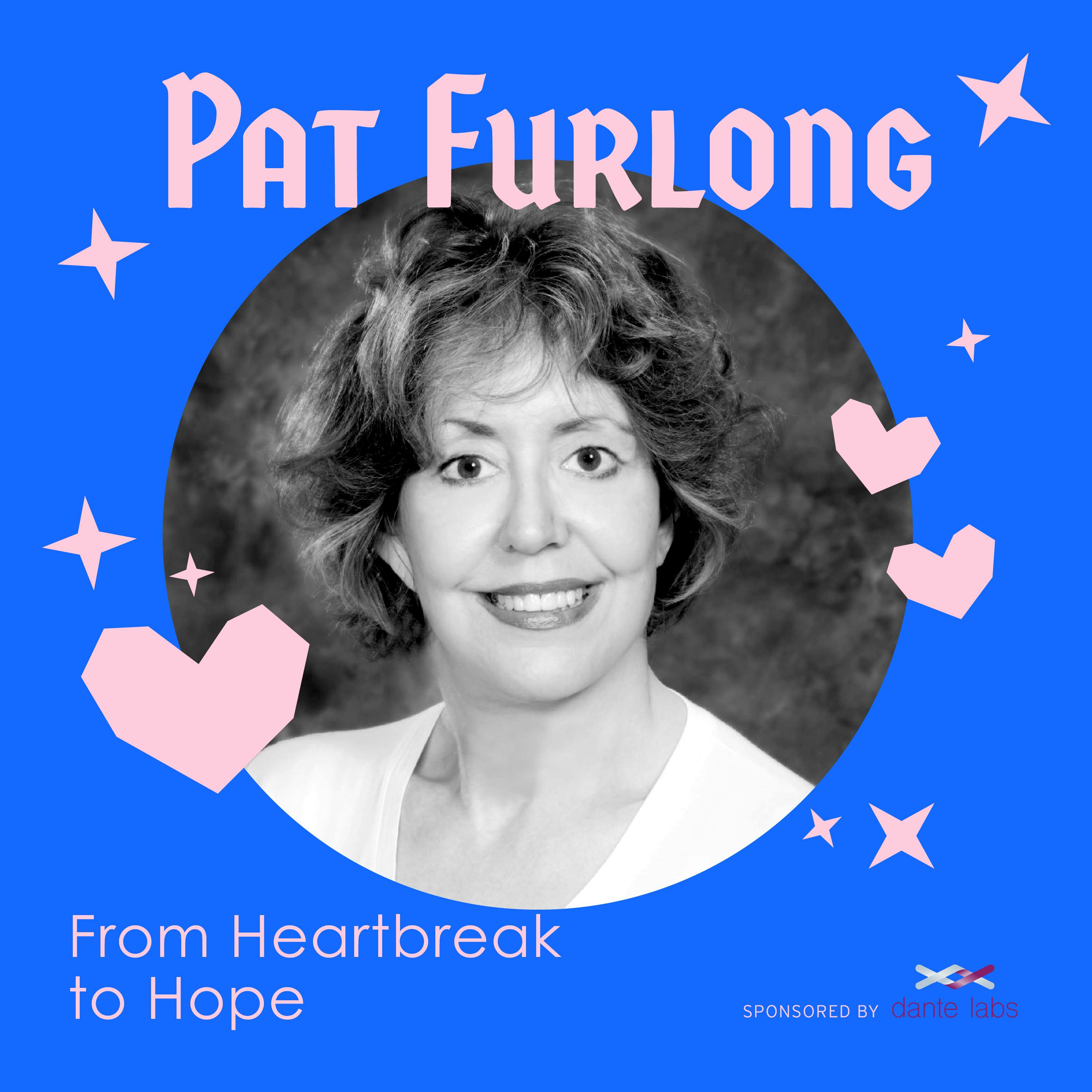
From Heartbreak to Hope - With CEO of Parent Project Muscular Dystrophy, Pat Furlong episode artwork

EPISODE · Oct 26, 2023 · 55 MIN

From Heartbreak to Hope - With CEO of Parent Project Muscular Dystrophy, Pat Furlong

from Once Upon A Gene · host Effie Parks

ONCE UPON A GENE - EPISODE 204 From Heartbreak to Hope - With CEO of Parent Project Muscular Dystrophy, Pat Furlong When doctors diagnosed her two sons, Christopher and Patrick, with Duchenne in 1984, Pat didn’t accept “there’s no hope and little help” as an answer. Pat immersed herself in Duchenne, working to understand the pathology of the disorder, the extent of research investment and the mechanisms for optimal care. Her sons lost their battle with Duchenne in their teenage years, but she continues to fight—in their honor and for all families affected by Duchenne. EPISODE HIGHLIGHTS How and when did you realize something was wrong? While other children played energetically, her sons would engage in quieter activities like coloring. Initially, she believed she simply had well-mannered children. However, she soon realized that her children were hesitant to engage in certain physical activities, such as running. While other children played energetically, her sons would engage in quieter activities like coloring. Initially, she believed she simply had well-mannered children. However, she soon realized that her children were hesitant to engage in certain physical activities, such as running up and down stairs or jumping. Concerned, she sought advice from various individuals, including her physician husband and his colleagues. Despite her genuine worries, many dismissed her concerns, labeling her as an overly anxious mother. This dismissal set her on a path of determination to find out more about her children's condition How did you begin? The beginning of her journey was marked by a mix of determination and desperation. Shortly after receiving a diagnosis about her children, she took a bold step by borrowing $100,000 from the bank. In her mind, she believed this amount would be sufficient to find a cure for them. The figure, substantial for its time, might seem naive to professionals in the biopharma industry today. Eager to find solutions, she reached out to various laboratories that had limited data on the condition. However, when she introduced herself as a mother with two boys diagnosed with Duchenne, she was often turned away.  The birth of a gene therapy Today, DMD patients have been given new hope. The U.S. Food and Drug Administration (FDA) has approved Elevidys, the first gene therapy for DMD, for patients with the disease between the ages of 4 and 5 years old. This newly approved gene therapy delivers a copy of a gene that encodes a shortened, functional form of dystrophin, the gene that is mutated in DMD patients. Dystrophin is like a shock absorber for muscles, and without it, muscle deteriorates. What can others do to further rare disease research? For those seeking to advocate for a cause, a key strategy is to actively engage with congressional representatives, whether in the United States or elsewhere. It's advisable to frequently contact the offices of Senators or Congress people, introducing oneself and expressing what is important to them. This shouldn't be a one-time conversation but rather a consistent dialogue, akin to building a relationship. LINKS AND RESOURCES MENTIONED Parent Project Muscular Dystrophy https://www.parentprojectmd.org/ PPMD's Decode Duchenne Genetic Testing Program https://www.parentprojectmd.org/about-duchenne/decode-duchenne/ Dante Labs https://us.dantelabs.com/ CONNECT WITH EFFIE PARKS Website https://effieparks.com/ Twitter https://twitter.com/OnceUponAGene Instagram https://www.instagram.com/onceuponagene.podcast/?hl=en LinkedIn https://www.linkedin.com/in/effie-parks-741013164/

ONCE UPON A GENE - EPISODE 204 From Heartbreak to Hope - With CEO of Parent Project Muscular Dystrophy, Pat Furlong When doctors diagnosed her two sons, Christopher and Patrick, with Duchenne in 1984, Pat didn’t accept “there’s no hope and little help” as an answer. Pat immersed herself in Duchenne, working to understand the pathology of the disorder, the extent of research investment and the mechanisms for optimal care. Her sons lost their battle with Duchenne in their teenage years, but she continues to fight—in their honor and for all families affected by Duchenne. EPISODE HIGHLIGHTS How and when did you realize something was wrong? While other children played energetically, her sons would engage in quieter activities like coloring. Initially, she believed she simply had well-mannered children. However, she soon realized that her children were hesitant to engage in certain physical activities, such as running. While other children played energetically, her sons would engage in quieter activities like coloring. Initially, she believed she simply had well-mannered children. However, she soon realized that her children were hesitant to engage in certain physical activities, such as running up and down stairs or jumping. Concerned, she sought advice from various individuals, including her physician husband and his colleagues. Despite her genuine worries, many dismissed her concerns, labeling her as an overly anxious mother. This dismissal set her on a path of determination to find out more about her children's condition How did you begin? The beginning of her journey was marked by a mix of determination and desperation. Shortly after receiving a diagnosis about her children, she took a bold step by borrowing $100,000 from the bank. In her mind, she believed this amount would be sufficient to find a cure for them. The figure, substantial for its time, might seem naive to professionals in the biopharma industry today. Eager to find solutions, she reached out to various laboratories that had limited data on the condition. However, when she introduced herself as a mother with two boys diagnosed with Duchenne, she was often turned away.  The birth of a gene therapy Today, DMD patients have been given new hope. The U.S. Food and Drug Administration (FDA) has approved Elevidys, the first gene therapy for DMD, for patients with the disease between the ages of 4 and 5 years old. This newly approved gene therapy delivers a copy of a gene that encodes a shortened, functional form of dystrophin, the gene that is mutated in DMD patients. Dystrophin is like a shock absorber for muscles, and without it, muscle deteriorates. What can others do to further rare disease research? For those seeking to advocate for a cause, a key strategy is to actively engage with congressional representatives, whether in the United States or elsewhere. It's advisable to frequently contact the offices of Senators or Congress people, introducing oneself and expressing what is important to them. This shouldn't be a one-time conversation but rather a consistent dialogue, akin to building a relationship. LINKS AND RESOURCES MENTIONED Parent Project Muscular Dystrophy https://www.parentprojectmd.org/ PPMD's Decode Duchenne Genetic Testing Program https://www.parentprojectmd.org/about-duchenne/decode-duchenne/ Dante Labs https://us.dantelabs.com/ CONNECT WITH EFFIE PARKS Website https://effieparks.com/ Twitter https://twitter.com/OnceUponAGene Instagram https://www.instagram.com/onceuponagene.podcast/?hl=en LinkedIn https://www.linkedin.com/in/effie-parks-741013164/

NOW PLAYING

From Heartbreak to Hope - With CEO of Parent Project Muscular Dystrophy, Pat Furlong

0:00 55:11

No transcript for this episode yet

We transcribe on demand. Request one and we'll notify you when it's ready — usually under 10 minutes.

No similar episodes found.

No similar podcasts found.

Frequently Asked Questions

How long is this episode of Once Upon A Gene?

This episode is 55 minutes long.

When was this Once Upon A Gene episode published?

This episode was published on October 26, 2023.

What is this episode about?

ONCE UPON A GENE - EPISODE 204 From Heartbreak to Hope - With CEO of Parent Project Muscular Dystrophy, Pat Furlong When doctors diagnosed her two sons, Christopher and Patrick, with Duchenne in 1984, Pat didn’t accept “there’s no hope and little...

Can I download this Once Upon A Gene episode?

Yes, you can download this episode by clicking the download button on the episode player, or subscribe to the podcast in your preferred podcast app for automatic downloads.
URL copied to clipboard!