
EPISODE · Feb 9, 2026 · 1H 26M
From Soldier to Educator: The Travis Kaufman Story
from Prepared Service · host Dr. Gregory Davenport and Jamie Anne Gustafson, PhD
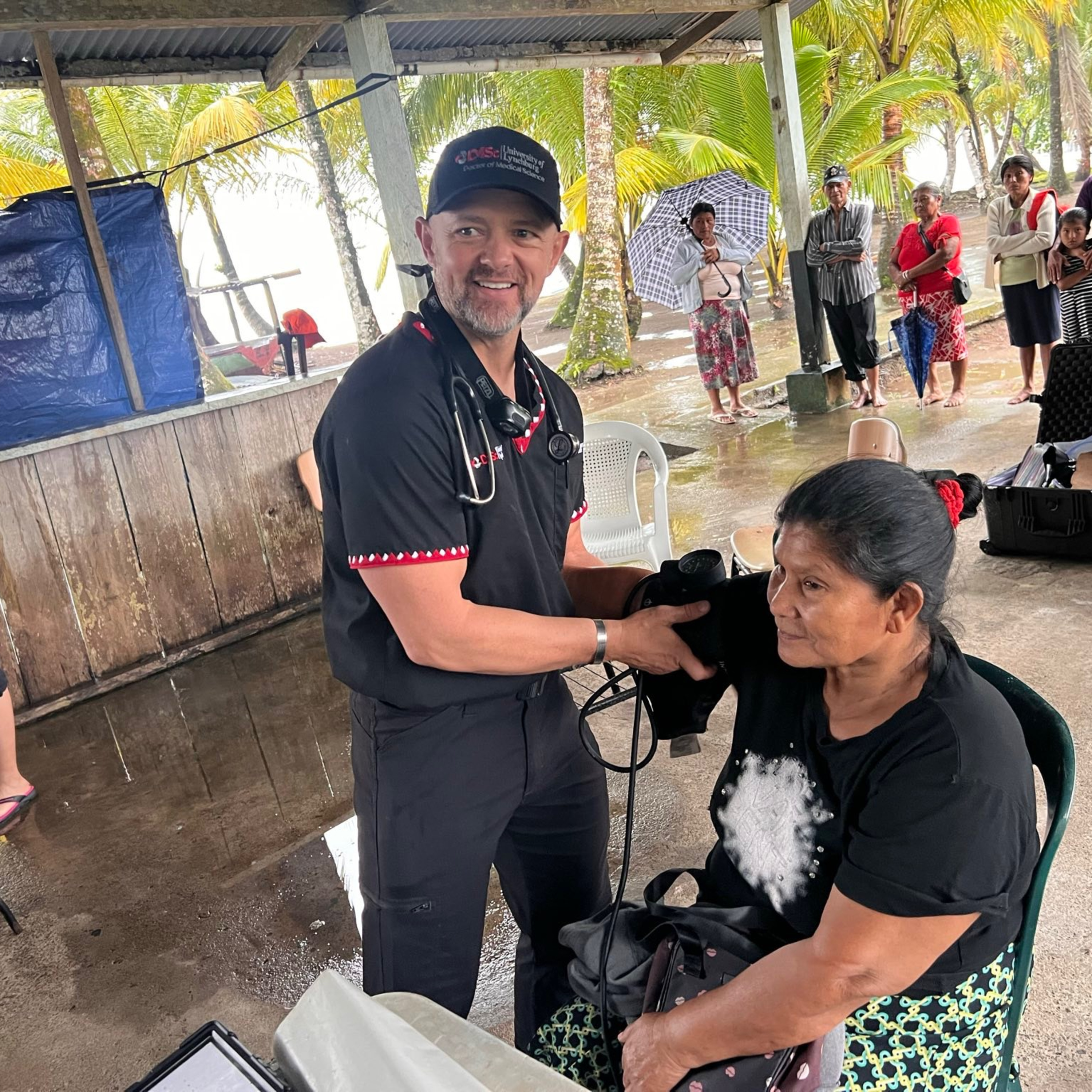
Introduction: In the latest episode of our podcast,we dive deep into the journey of Travis Kaufman, a retired Army major, who shares his experiences transitioning from military service to civilian life.With insights on everything from the importance of local government buy-in in NGOs to personal stories from his upbringing, this conversation is a treasure trove of inspiration and advice for veterans and civilians alike. Main Content:Understanding the TransitionTransitioning from military to civilian life can be adaunting task for many veterans. Travis Kaufman, who recently retired after serving as a major in the Army, candidly shares his initial apprehensions about retiring. "I was pretty nervous about it. I didn’t really want to retire," he admits. However, after immersing himself in humanitarian work with NGOs, he discovered a fulfilling new path. "Now I've been retired forabout nine months. I love it. I absolutely love being retired because I can still make a difference, but a little bit different from the outside." The Role of NGOs in Making a DifferenceOne of the key themes in the discussion is the significantrole non-governmental organizations (NGOs) play in providing aid and support to communities in need. Travis has worked with various NGOs, such as Floating Doctors and World Extreme Medicine Fund, which operate independently fromgovernment funding. He emphasizes, "I wouldn't say the ones I work with are really funded by the government. They're there just to make a difference and have that continuity of care." The Importance of Local Government Buy-InA crucial aspect of effective humanitarian work is thecollaboration with local governments. Travis highlights how local buy-in enhances the effectiveness of aid efforts. "There's got to be that local government buy-in because resupply, all that's so challenging in those, especially in Tanzania," he explains. This approach not only fosters a sense of ownership among local communities but also ensures that aid is moresustainable. Personal Journey and BackgroundTravis's upbringing in a stable family environment insouthern Missouri shaped his character and career choices. He reflects on the impact of his childhood, stating, "Growing up in that atmosphere probably played a big role in who you are and who you became." His journey into the military began with a desire for adventure and a legacy of service in his family. He recalls, "My grandfather was in the Korean War... I always wasattracted to the army. I thought it was cool." Conclusion: Key TakeawaysTravis Kaufman's story is a powerful reminder of theresilience and adaptability that veterans possess. His journey illustrates the importance of finding purpose after service, the necessity of local engagement in humanitarian efforts, and the profound influence of a supportive upbringing.For those navigating similar paths, Travis's insights offer valuable guidance on making impactful transitions and continuing to serve their communities.
What this episode covers
Introduction: In the latest episode of our podcast,we dive deep into the journey of Travis Kaufman, a retired Army major, who shares his experiences transitioning from military service to civilian life.With insights on everything from the importance of local government buy-in in NGOs to personal stories from his upbringing, this conversation is a treasure trove of inspiration and advice for veterans and civilians alike. Main Content:Understanding the TransitionTransitioning from military to civilian life can be adaunting task for many veterans. Travis Kaufman, who recently retired after serving as a major in the Army, candidly shares his initial apprehensions about retiring. "I was pretty nervous about it. I didn’t really want to retire," he admits. However, after immersing himself in humanitarian work with NGOs, he discovered a fulfilling new path. "Now I've been retired forabout nine months. I love it. I absolutely love being retired because I can still make a difference, but a little bit different from the outside." The Role of NGOs in Making a DifferenceOne of the key themes in the discussion is the significantrole non-governmental organizations (NGOs) play in providing aid and support to communities in need. Travis has worked with various NGOs, such as Floating Doctors and World Extreme Medicine Fund, which operate independently fromgovernment funding. He emphasizes, "I wouldn't say the ones I work with are really funded by the government. They're there just to make a difference and have that continuity of care." The Importance of Local Government Buy-InA crucial aspect of effective humanitarian work is thecollaboration with local governments. Travis highlights how local buy-in enhances the effectiveness of aid efforts. "There's got to be that local government buy-in because resupply, all that's so challenging in those, especially in Tanzania," he explains. This approach not only fosters a sense of ownership among local communities but also ensures that aid is moresustainable. Personal Journey and BackgroundTravis's upbringing in a stable family environment insouthern Missouri shaped his character and career choices. He reflects on the impact of his childhood, stating, "Growing up in that atmosphere probably played a big role in who you are and who you became." His journey into the military began with a desire for adventure and a legacy of service in his family. He recalls, "My grandfather was in the Korean War... I always wasattracted to the army. I thought it was cool." Conclusion: Key TakeawaysTravis Kaufman's story is a powerful reminder of theresilience and adaptability that veterans possess. His journey illustrates the importance of finding purpose after service, the necessity of local engagement in humanitarian efforts, and the profound influence of a supportive upbringing.For those navigating similar paths, Travis's insights offer valuable guidance on making impactful transitions and continuing to serve their communities.
NOW PLAYING
From Soldier to Educator: The Travis Kaufman Story
No transcript for this episode yet
Similar Episodes
Apr 22, 2026 ·97m
Apr 19, 2026 ·134m
Apr 16, 2026 ·3m
Apr 10, 2026 ·8m
Apr 8, 2026 ·3m
Apr 8, 2026 ·3m