PodParley PodParley

G: Relative Genius

Albert Einstein asked that when he died, his body be cremated and his ashes be scattered in a secret location. He didn’t want his grave, or his body, becoming a shrine to his genius. When he passed away in the early morning hours of April, 18, 1955, his family knew his wishes. There was only one problem: the pathologist who did the autopsy had different plans. In the third episode of “G”, Radiolab’s miniseries on intelligence, we go on one of the strangest scavenger hunts for genius the world has ever seen. We follow Einstein’s stolen brain from that Princeton autopsy table, to a cider box in Wichita, Kansas, to labs all across the country. And eventually, beyond the brain itself entirely. All the while wondering, where exactly is the genius of a man who changed the way we view the world?    This episode was reported by Rachael Cusick and Pat Walters, and produced by Bethel Habte, Rachael Cusick, and Pat Walters. Music by Alex Overington and Jad Abumrad.  Special thanks to: Elanor Taylor, Claudia Kalb, Dustin O’Halloran, Tim Huson, The Einstein Papers Project, and all the physics for (us) dummies Youtube videos that accomplished the near-impossible feat of helping us understand relativity. Radiolab’s “G” is supported in part by Science Sandbox, a Simons Foundation initiative dedicated to engaging everyone with the process of science. Support Radiolab today at Radiolab.org/donate.

Episode 316 of the Radiolab podcast, hosted by WNYC Studios, titled "G: Relative Genius" was published on June 28, 2019 and runs 63 minutes.

June 28, 2019 ·63m · Radiolab

0:00 / 0:00

Albert Einstein asked that when he died, his body be cremated and his ashes be scattered in a secret location. He didn’t want his grave, or his body, becoming a shrine to his genius. When he passed away in the early morning hours of April, 18, 1955, his family knew his wishes. There was only one problem: the pathologist who did the autopsy had different plans. In the third episode of “G”, Radiolab’s miniseries on intelligence, we go on one of the strangest scavenger hunts for genius the world has ever seen. We follow Einstein’s stolen brain from that Princeton autopsy table, to a cider box in Wichita, Kansas, to labs all across the country. And eventually, beyond the brain itself entirely. All the while wondering, where exactly is the genius of a man who changed the way we view the world?    This episode was reported by Rachael Cusick and Pat Walters, and produced by Bethel Habte, Rachael Cusick, and Pat Walters. Music by Alex Overington and Jad Abumrad.  Special thanks to: Elanor Taylor, Claudia Kalb, Dustin O’Halloran, Tim Huson, The Einstein Papers Project, and all the physics for (us) dummies Youtube videos that accomplished the near-impossible feat of helping us understand relativity. Radiolab’s “G” is supported in part by Science Sandbox, a Simons Foundation initiative dedicated to engaging everyone with the process of science. Support Radiolab today at Radiolab.org/donate.

Albert Einstein asked that when he died, his body be cremated and his ashes be scattered in a secret location. He didn’t want his grave, or his body, becoming a shrine to his genius. When he passed away in the early morning hours of April, 18, 1955, his family knew his wishes. There was only one problem: the pathologist who did the autopsy had different plans.

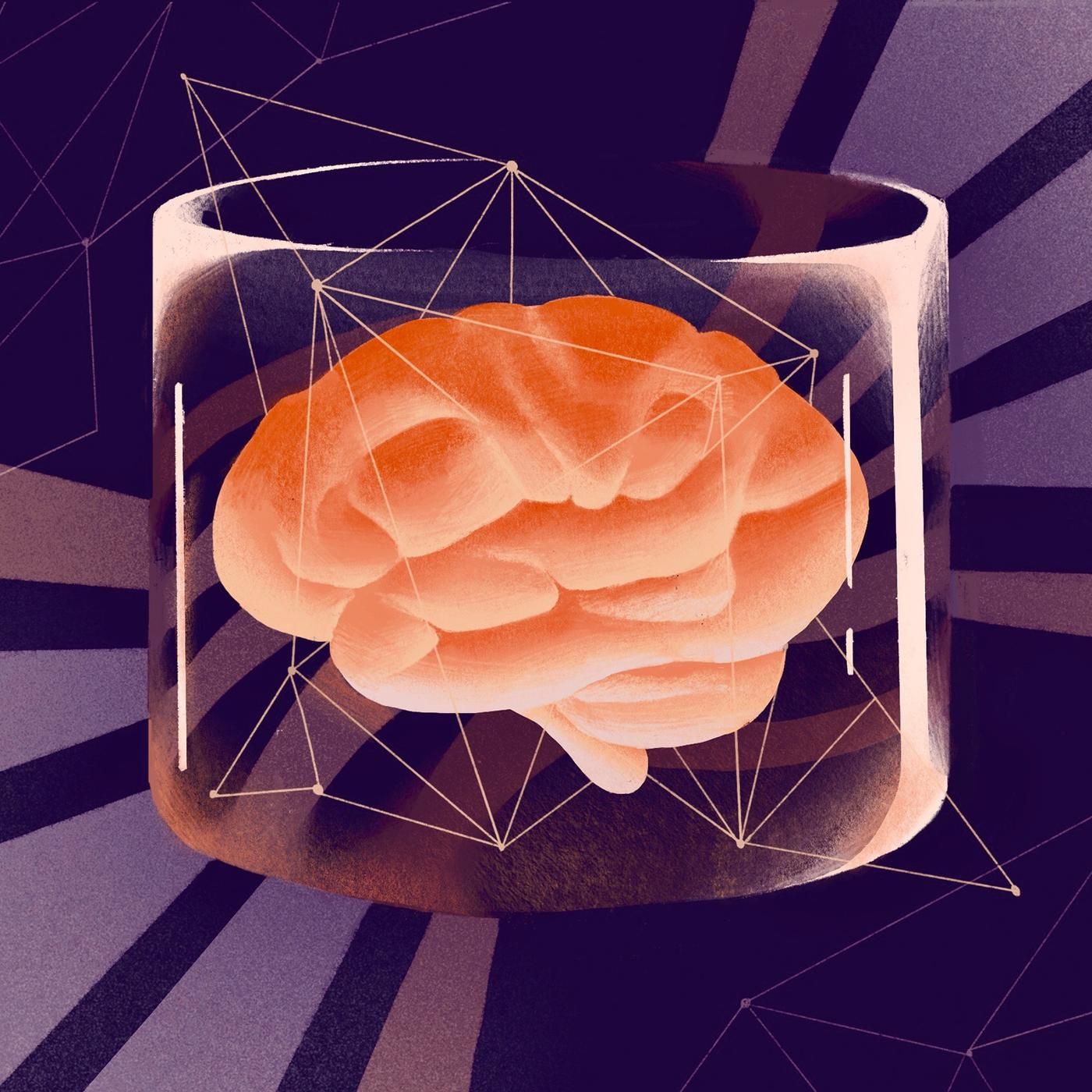
In the third episode of “G”, Radiolab’s miniseries on intelligence, we go on one of the strangest scavenger hunts for genius the world has ever seen. We follow Einstein’s stolen brain from that Princeton autopsy table, to a cider box in Wichita, Kansas, to labs all across the country. And eventually, beyond the brain itself entirely. All the while wondering, where exactly is the genius of a man who changed the way we view the world? 


This episode was reported by Rachael Cusick and Pat Walters, and produced by Bethel Habte, Rachael Cusick, and Pat Walters. Music by Alex Overington and Jad Abumrad. 

Special thanks to: Elanor Taylor, Claudia Kalb, Dustin O’Halloran, Tim Huson, The Einstein Papers Project, and all the physics for (us) dummies Youtube videos that accomplished the near-impossible feat of helping us understand relativity.

Radiolab’s “G” is supported in part by Science Sandbox, a Simons Foundation initiative dedicated to engaging everyone with the process of science.

Support Radiolab today at Radiolab.org/donate

The Vanishing of Harry Pace (Radiolab) WNYC Studios From the creators of Dolly Parton's America, Jad Abumrad and Shima Oliaee, comes a new series produced in collaboration with author Kiese Laymon, scholar Imani Perry, writer Cord Jefferson, WQXR’s Terrance McKnight, and WNYC's Jami Floyd. Based on the book Black Swan Blues: the Hard Rise and Brutal Fall of America’s First Black Owned Record Label by Paul Slade.It was Motown before Motown, FUBU before FUBU: Black Swan Records. The label founded 100 years ago by Harry Pace. Pace launched the career of Ethel Waters, inadvertently invented the term rock n roll, played an important role in W.C. Handy becoming "Father of the Blues," inspired Ebony and Jet magazines, and helped desegregate the South Side of Chicago in an epic Supreme Court battle. Then, he disappeared.  The Vanishing of Harry Pace is a series about the phenomenal but forgotten man who changed America. It's a story about betrayal, family, hidden identities, and a time like no other. Note to Self WNYC Studios Is your phone watching you? Can texting make you smarter? Are your kids real? Note to Self explores these and other essential quandaries facing anyone trying to preserve their humanity in the digital age. WNYC Studios is a listener-supported producer of other leading podcasts, including Radiolab, Death, Sex & Money, Snap Judgment, Here’s the Thing with Alec Baldwin, Nancy and many others.© WNYC Studios RadioLacan.com |Radio Lacan en el VII ENAPOL RadioLacan.com es el sitio de audios y conferencias de la Asociación Mundial de Psicoanálisis. RadioLacan.com |#LacanianosxElMundo: Ginebra. Entrevista a Sofía Guaraguara Comenzamos una serie de entrevistas a los colegas que por distintos motivos han dejado su país de origen y han decidido ejercer el psicoanálisis en otro país, en otra lengua, para que nos cuenten sobre lo que esto implica para cada uno y lo interesante de cómo hacer florecer el psicoanálisis en el mundo. En esta oportunidad Liliana Mauas entrevista a Sofía Guaraguara.
URL copied to clipboard!