GPU meets quantum computer: Nvidia and Infleqtion's four-microsecond bridge to hybrid computing
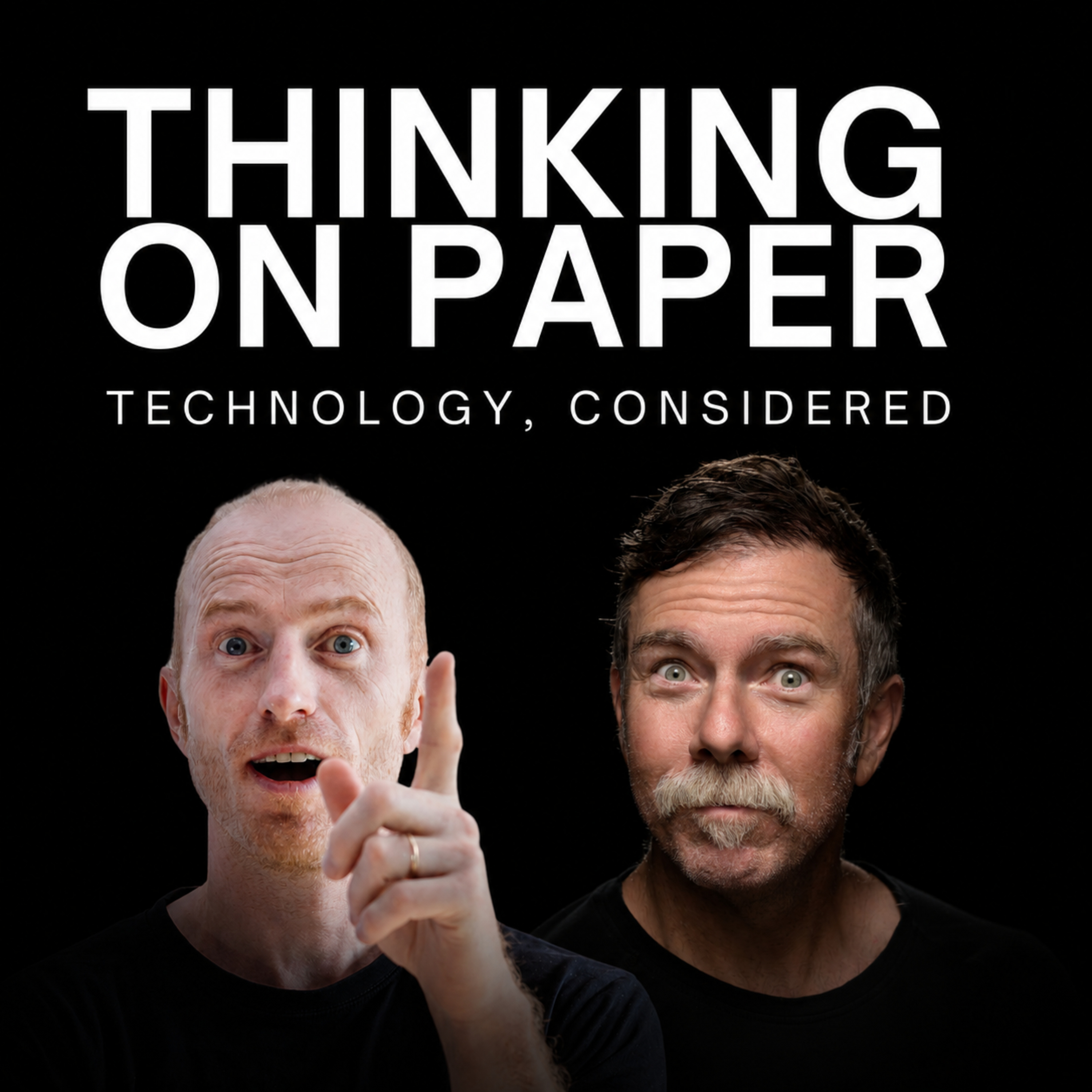
An episode of the Thinking On Paper podcast, hosted by Mark Fielding and Jeremy Gilbertson, titled "GPU meets quantum computer: Nvidia and Infleqtion's four-microsecond bridge to hybrid computing" was published on March 8, 2026 and runs 37 minutes.
March 8, 2026 ·37m · Thinking On Paper
Summary
In 2024, quantum computing crossed a threshold it had failed to cross for 35 years: the entire industry went from noisy, unusable qubits to logical qubits - error-corrected, reliable, and ready to compute.Infleqtion was one of the first companies through. Nvidia built the bridge.Mark and Jeremy sit down with Pranav Gokhale, CTO of Infleqtion, and Sam Stanwyck, Group Product Manager for Quantum Computing at Nvidia, to understand how a four-microsecond connection between a GPU supercomputer and a quantum processor makes hybrid classical-quantum computing real for the first time.This episode covers: Why GPUs and quantum computers are complementary, not competing, one simulates nature, one parallelises data How drug discovery, battery design, and material science become the first real quantum use cases Why a 1,600-qubit quantum computer uses the same power as ten hairdryers Infleqtion's roadmap to 100 logical qubits by 2028 and why that's the tipping point A $20M NASA program sending a quantum gravity sensor to space. What Pranav calls "a telescope for underground"--Listen to every podcastFollow us on InstagramFollow us on XFollow Mark on LinkedInFollow Jeremy on LinkedInRead our SubstackEmail: [email protected]--Chapters(00:00) Why quantum computing matters right now (01:20) Why Nvidia is betting big on quantum (02:52) NVQ-Link: the bridge between quantum and classical computing(09:29) Who decides what runs on the quantum computer vs the GPU?(12:33) AI helping quantum, quantum helping AI (16:56) Building a space elevator battery: a real quantum workflow (20:09) The quantum algorithm zoo (22:04) From noisy qubits to logical qubits (24:00) How much energy does a quantum computer actually use? (27:05) The no-cloning theorem: why you can't copy-paste quantum data(27:20) The biggest unanswered question in quantum computing(30:47) A $20M NASA program and a telescope for underground (33:32) What do we want humans to be?
Episode Description
In 2024, quantum computing crossed a threshold it had failed to cross for 35 years: the entire industry went from noisy, unusable qubits to logical qubits - error-corrected, reliable, and ready to compute.
Infleqtion was one of the first companies through. Nvidia built the bridge.
Mark and Jeremy sit down with Pranav Gokhale, CTO of Infleqtion, and Sam Stanwyck, Group Product Manager for Quantum Computing at Nvidia, to understand how a four-microsecond connection between a GPU supercomputer and a quantum processor makes hybrid classical-quantum computing real for the first time.
This episode covers:
- Why GPUs and quantum computers are complementary, not competing, one simulates nature, one parallelises data
- How drug discovery, battery design, and material science become the first real quantum use cases
- Why a 1,600-qubit quantum computer uses the same power as ten hairdryers
- Infleqtion's roadmap to 100 logical qubits by 2028 and why that's the tipping point
- A $20M NASA program sending a quantum gravity sensor to space. What Pranav calls "a telescope for underground"
--
Follow us on Instagram
Follow us on X
Follow Mark on LinkedIn
Follow Jeremy on LinkedIn
Read our Substack
Email: [email protected]
--
Chapters
(00:00) Why quantum computing matters right now
(01:20) Why Nvidia is betting big on quantum
(02:52) NVQ-Link: the bridge between quantum and classical computing
(09:29) Who decides what runs on the quantum computer vs the GPU?
(12:33) AI helping quantum, quantum helping AI
(16:56) Building a space elevator battery: a real quantum workflow
(20:09) The quantum algorithm zoo
(22:04) From noisy qubits to logical qubits
(24:00) How much energy does a quantum computer actually use?
(27:05) The no-cloning theorem: why you can't copy-paste quantum data
(27:20) The biggest unanswered question in quantum computing
(30:47) A $20M NASA program and a telescope for underground
(33:32) What do we want humans to be?
Similar Episodes
Aug 25, 2024 ·36m
Aug 25, 2024 ·36m
Aug 23, 2024 ·45m
Aug 20, 2024 ·60m
Aug 20, 2024 ·43m
Aug 19, 2024 ·42m