
EPISODE · Mar 18, 2026 · 30 MIN
Grieving the Unseen Loss: Understanding Grief After Betrayal (Episode #110)
from The Human Intimacy Podcast · host Humanintimacy
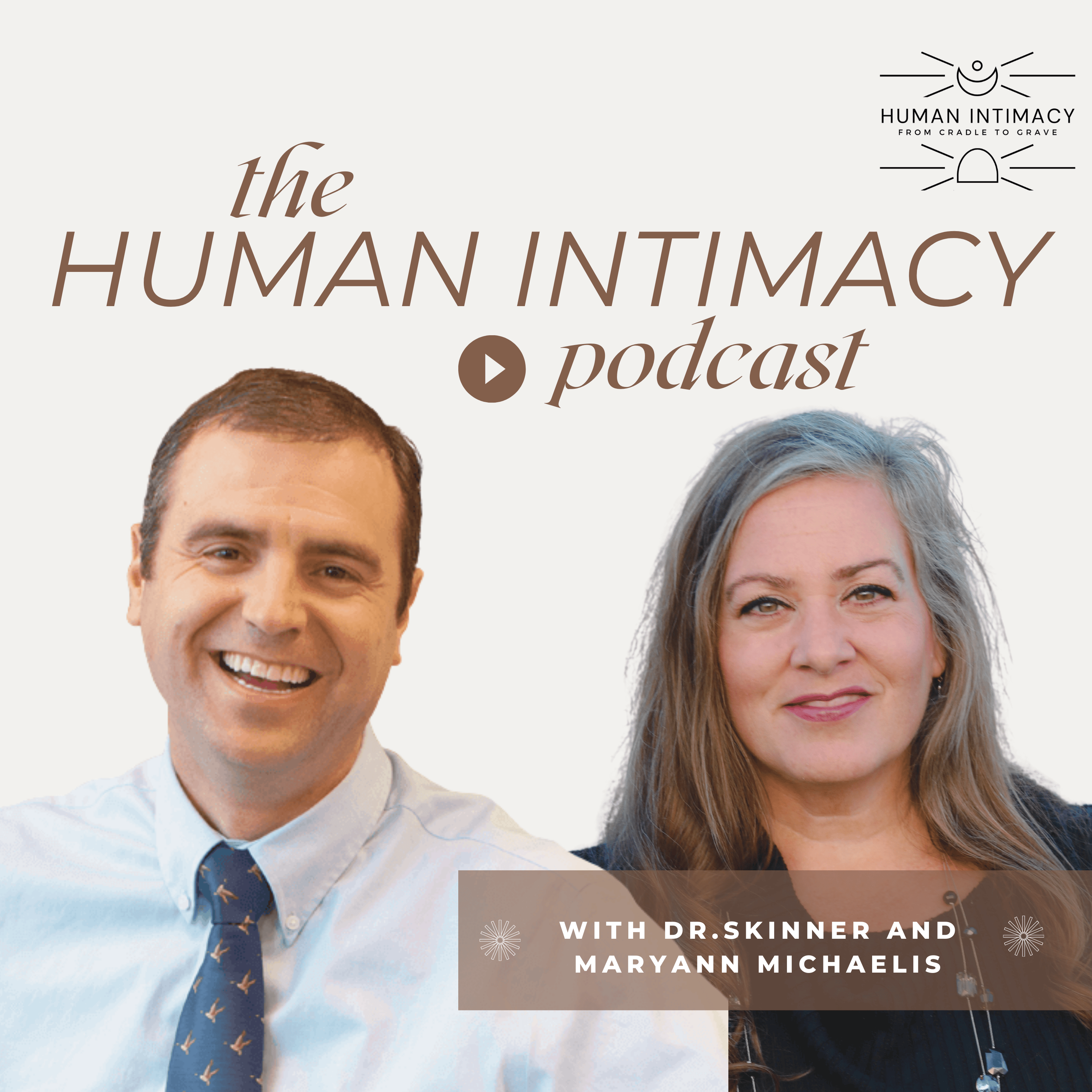
Grieving the Unseen Loss: Understanding Grief After Betrayal Summary In this episode of the Human Intimacy Podcast, Dr. Kevin Skinner and MaryAnn Michaelis reflect on the powerful insights emerging from the 2026 Human Intimacy Conference, with a particular focus on grief following sexual betrayal. While much of the field has emphasized trauma and post-traumatic stress, this conversation highlights a critical gap: the profound and often unaddressed grief experienced by both betrayed and betraying partners. Drawing from early data on the Grief After Betrayal Impact Scale, MaryAnn shares a striking finding—the most significant loss reported is not just the relationship, but the loss of self, including identity, trust in oneself, and a coherent sense of reality. The discussion explores how betrayal creates a “collapsed self,” alters one’s perception of a partner, and leads to ongoing grief that can persist for decades. The episode introduces emerging frameworks for understanding betrayal-related grief, including stages of emotional shock, internal conflict, withdrawal, rage, and eventual reclamation. Dr. Skinner and Marianne emphasize that grief is not a single event but a long-term process, often unfolding over years as individuals grieve not only what happened, but what could have been. A key theme is the importance of giving grief a voice in safe relationships. Healing is accelerated when individuals are witnessed, validated, and supported—whether by a partner, therapist, or trusted connection. Without this, grief often becomes prolonged and isolating. The conversation also raises important clinical and societal implications, including the need for better training, expanded research, and more effective support systems—particularly in faith communities, where many individuals report feeling misunderstood or unsupported. Ultimately, this episode reframes betrayal recovery by integrating grief as a central component of healing, calling for a more compassionate, relational, and research-informed approach to addressing the deep emotional losses that accompany betrayal. Click here to take the Grief After Betrayal Impact Scale References (Note: These are foundational and aligned with concepts discussed in the episode—ideal for podcast notes and future academic integration.) Jennifer J. Freyd (1996). Betrayal Trauma: The Logic of Forgetting Childhood Abuse. Harvard University Press. Judith Herman (1992). Trauma and Recovery. Basic Books. Susan Anderson (2010). The Journey from Abandonment to Healing. Berkley Books. Elisabeth Kübler-Ross & Kessler, D. (2005). On Grief and Grieving. Scribner. William Worden (2009). Grief Counseling and Grief Therapy. Springer Publishing. Bessel van der Kolk (2014). The Body Keeps the Score. Viking. Stephen W. Porges (2011). The Polyvagal Theory. Norton. John Bowlby (1980). Attachment and Loss: Vol. 3 – Loss. Basic Books. Pauline Boss (1999). Ambiguous Loss. Harvard University Press. Kenneth J. Doka (1989). Disenfranchised Grief. Lexington Books.
What this episode covers
Grieving the Unseen Loss: Understanding Grief After Betrayal Summary In this episode of the Human Intimacy Podcast, Dr. Kevin Skinner and MaryAnn Michaelis reflect on the powerful insights emerging from the 2026 Human Intimacy Conference, with a particular focus on grief following sexual betrayal. While much of the field has emphasized trauma and post-traumatic stress, this conversation highlights a critical gap: the profound and often unaddressed grief experienced by both betrayed and betraying partners. Drawing from early data on the Grief After Betrayal Impact Scale, MaryAnn shares a striking finding—the most significant loss reported is not just the relationship, but the loss of self, including identity, trust in oneself, and a coherent sense of reality. The discussion explores how betrayal creates a “collapsed self,” alters one’s perception of a partner, and leads to ongoing grief that can persist for decades. The episode introduces emerging frameworks for understanding betrayal-related grief, including stages of emotional shock, internal conflict, withdrawal, rage, and eventual reclamation. Dr. Skinner and Marianne emphasize that grief is not a single event but a long-term process, often unfolding over years as individuals grieve not only what happened, but what could have been. A key theme is the importance of giving grief a voice in safe relationships. Healing is accelerated when individuals are witnessed, validated, and supported—whether by a partner, therapist, or trusted connection. Without this, grief often becomes prolonged and isolating. The conversation also raises important clinical and societal implications, including the need for better training, expanded research, and more effective support systems—particularly in faith communities, where many individuals report feeling misunderstood or unsupported. Ultimately, this episode reframes betrayal recovery by integrating grief as a central component of healing, calling for a more compassionate, relational, and research-informed approach to addressing the deep emotional losses that accompany betrayal. Click here to take the Grief After Betrayal Impact Scale References (Note: These are foundational and aligned with concepts discussed in the episode—ideal for podcast notes and future academic integration.) Jennifer J. Freyd (1996). Betrayal Trauma: The Logic of Forgetting Childhood Abuse. Harvard University Press. Judith Herman (1992). Trauma and Recovery. Basic Books. Susan Anderson (2010). The Journey from Abandonment to Healing. Berkley Books. Elisabeth Kübler-Ross & Kessler, D. (2005). On Grief and Grieving. Scribner. William Worden (2009). Grief Counseling and Grief Therapy. Springer Publishing. Bessel van der Kolk (2014). The Body Keeps the Score. Viking. Stephen W. Porges (2011). The Polyvagal Theory. Norton. John Bowlby (1980). Attachment and Loss: Vol. 3 – Loss. Basic Books. Pauline Boss (1999). Ambiguous Loss. Harvard University Press. Kenneth J. Doka (1989). Disenfranchised Grief. Lexington Books.
NOW PLAYING
Grieving the Unseen Loss: Understanding Grief After Betrayal (Episode #110)
No transcript for this episode yet
Similar Episodes
No similar episodes found.
Similar Podcasts
No similar podcasts found.