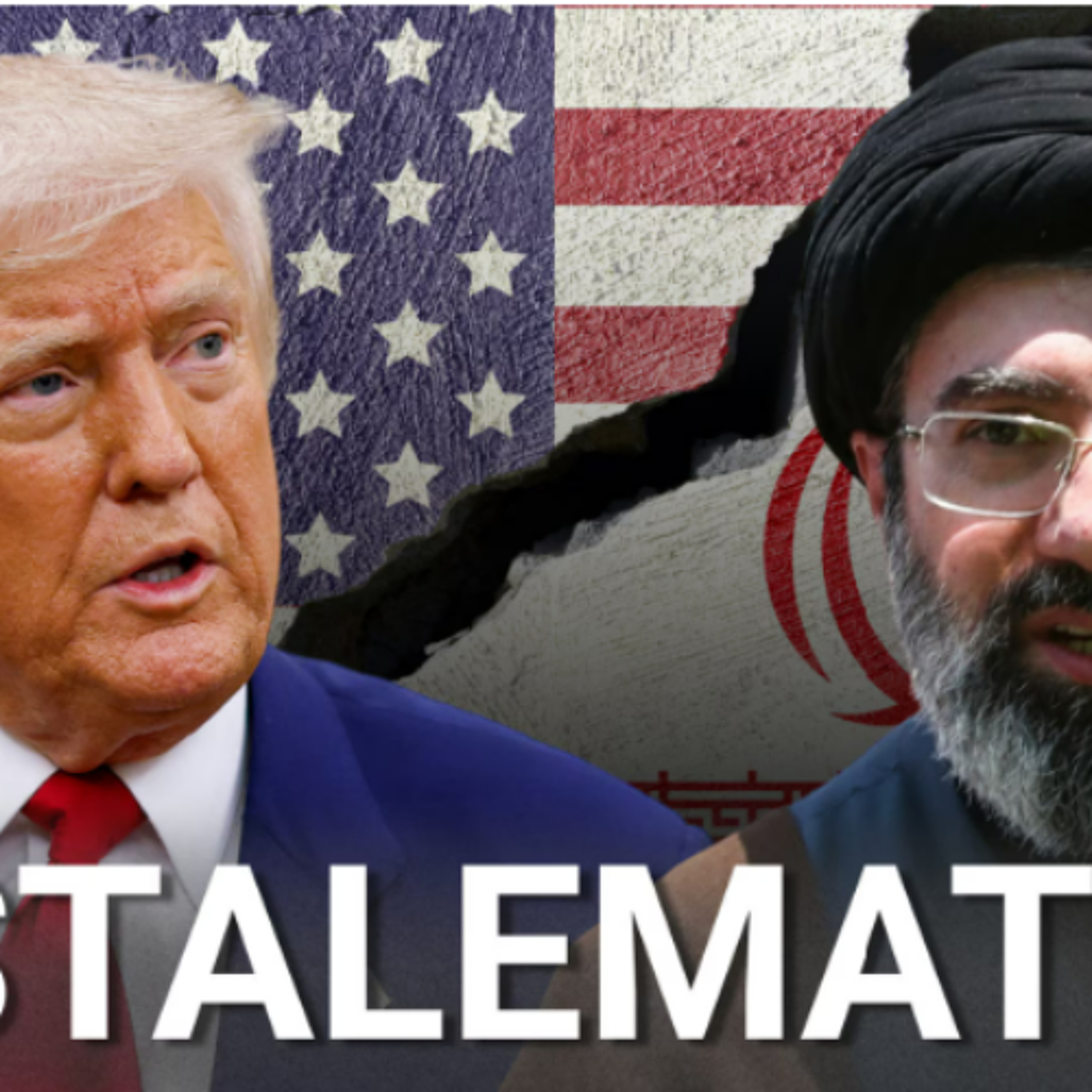
Gulf states’ differences were baked into the GCC’s DNA from the outset episode artwork

EPISODE · May 18, 2026 · 13 MIN

Gulf states’ differences were baked into the GCC’s DNA from the outset

from The Turbulent World with James M. Dorsey · host James M. Dorsey

The Gulf states’ divergent responses to the Iran war are part of the Gulf Cooperation Council (GCC)’s DNA. Founded in Abu Dhabi in 1981 by the region’s six monarchies, the GCC aimed to be a hub for military coordination, intelligence sharing, and economic integration in response to the 1979 anti-monarchical Islamic revolution in Iran. The monarchies established the GCC on the back of their support for the 1980 Iraqi invasion of revolutionary Iran to the tune of US$60 billion. The GCC’s creation also followed the Shah of Iran’s seizure a decade earlier of three islands at the mouth of the Strait of Hormuz, which the United Arab Emirates claimed as it declared its independence in the wake of Britain’s withdrawal from the region. The GCC has come a long way since its early days, when Emirati merchant families feared that they would be marginalised by their Saudi and Kuwaiti competitors who were wealthier, more powerful, and more numerous, even if the rivalry has more recently become fiercer and more pronounced as a result of diametrically opposed regional policies and the Iran war.

The Gulf states’ divergent responses to the Iran war are part of the Gulf Cooperation Council (GCC)’s DNA. Founded in Abu Dhabi in 1981 by the region’s six monarchies, the GCC aimed to be a hub for military coordination, intelligence sharing, and economic integration in response to the 1979 anti-monarchical Islamic revolution in Iran. The monarchies established the GCC on the back of their support for the 1980 Iraqi invasion of revolutionary Iran to the tune of US$60 billion. The GCC’s creation also followed the Shah of Iran’s seizure a decade earlier of three islands at the mouth of the Strait of Hormuz, which the United Arab Emirates claimed as it declared its independence in the wake of Britain’s withdrawal from the region. The GCC has come a long way since its early days, when Emirati merchant families feared that they would be marginalised by their Saudi and Kuwaiti competitors who were wealthier, more powerful, and more numerous, even if the rivalry has more recently become fiercer and more pronounced as a result of diametrically opposed regional policies and the Iran war.

NOW PLAYING

Gulf states’ differences were baked into the GCC’s DNA from the outset

0:00 13:38

No transcript for this episode yet

We transcribe on demand. Request one and we'll notify you when it's ready — usually under 10 minutes.

No similar episodes found.

No similar podcasts found.

Frequently Asked Questions

How long is this episode of The Turbulent World with James M. Dorsey?

This episode is 13 minutes long.

When was this The Turbulent World with James M. Dorsey episode published?

This episode was published on May 18, 2026.

What is this episode about?

The Gulf states’ divergent responses to the Iran war are part of the Gulf Cooperation Council (GCC)’s DNA. Founded in Abu Dhabi in 1981 by the region’s six monarchies, the GCC aimed to be a hub for military coordination, intelligence sharing, and...

Can I download this The Turbulent World with James M. Dorsey episode?

Yes, you can download this episode by clicking the download button on the episode player, or subscribe to the podcast in your preferred podcast app for automatic downloads.
URL copied to clipboard!