
EPISODE · Jul 5, 2026 · 35 MIN
He Was Winning the Race. Then His Body Shut Down
from ListenABLE · host SESSION in PROGRESS
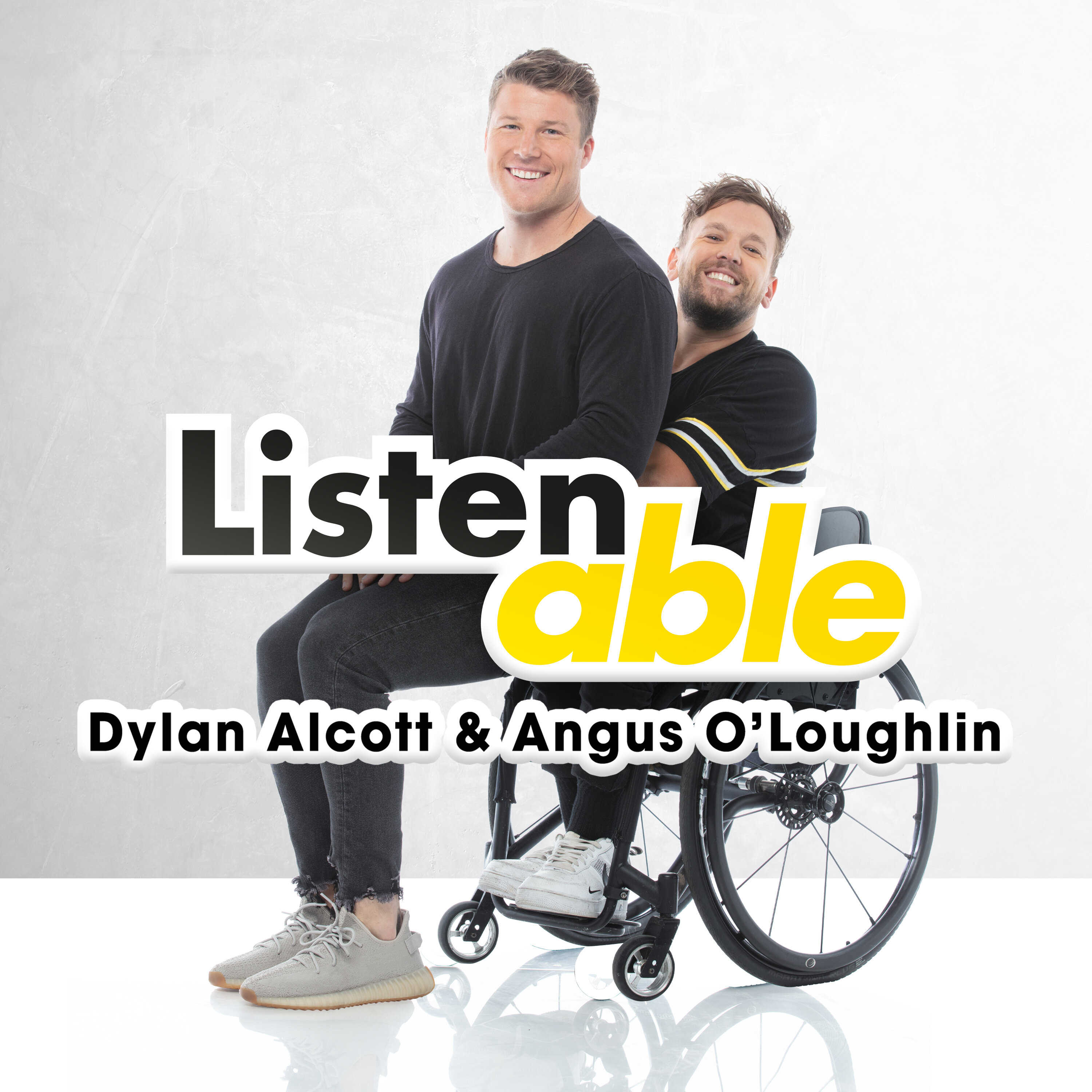
In 1988, Mark Dorrity went for a run on a 35-degree day in regional New South Wales. He was leading the race when severe heat stroke caused his body to shut down.Mark spent 70 days unconscious in intensive care. He lost most of the muscle in his body, underwent a high-level leg amputation and was given little certainty about what life after hospital could look like.But this is not simply a story about survival.In this episode of ListenABLE, Mark joins Dylan Alcott and Angus O’Loughlin to share how he rebuilt his life from the ground up. From learning to stand again, returning to full-time work and confronting inaccessible public spaces, to retraining his brain through Toastmasters decades later, Mark’s story is a powerful lesson in resilience, neuroplasticity and choosing to keep moving forward.Mark also reflects on how far disability access and inclusion have come in Australia since the late 1980s, why accessible parking matters far more than people realise, and why he refuses to live with regret.What happened when Mark collapsed from severe heat stroke during an eight-kilometre raceWaking up in intensive care 70 days laterThe moment Mark learned his leg had been amputatedRebuilding strength after losing most of his muscle massReturning to work after a life-changing injuryLiving with a high-level amputation and why a prosthesis was not sustainable for MarkHow disability access and inclusion have changed since the late 1980sThe reality behind accessible parking and public spacesNeuroplasticity, Toastmasters and retraining the brain later in lifeWhy resilience is not about avoiding difficulty, but choosing to keep showing up00:00 The moment Mark’s life changed01:31 A race, extreme heat and collapsing near the finish line04:35 Waking up 70 days later in intensive care07:14 The decision to amputate or let Mark die09:48 Accepting a new reality immediately11:10 Learning how to live again after intensive care13:06 Seeing his story on the front page of the newspaper14:55 Why a wheelchair was not practical for Mark16:39 The first time using a walking frame in public18:11 Where Mark’s resilience came from19:02 What disability access was like in Australia in the late 1980s21:42 How Mark views disability today24:59 Prosthetics, pain and adapting to life without one27:05 Returning to full-time work27:46 Cognitive recovery, speech and Toastmasters30:20 Neuroplasticity and retraining the brain32:08 Seeing his body after amputation33:25 Would Mark warn himself before the race?34:50 Mark’s message on risk, resilience and living fullyMark Dorrity, heat stroke survivor, amputation recovery, high-level amputation, disability podcast Australia, disability inclusion, accessibility Australia, neuroplasticity, resilience story, life after amputation, Dylan Alcott podcast, ListenABLE podcast, disability advocacy, rehabilitation journey, Toastmasters recovery
Embed this episode
NOW PLAYING
He Was Winning the Race. Then His Body Shut Down
No transcript for this episode yet
Similar Episodes
No similar episodes found.