
EPISODE · Mar 1, 2025 · 18 MIN
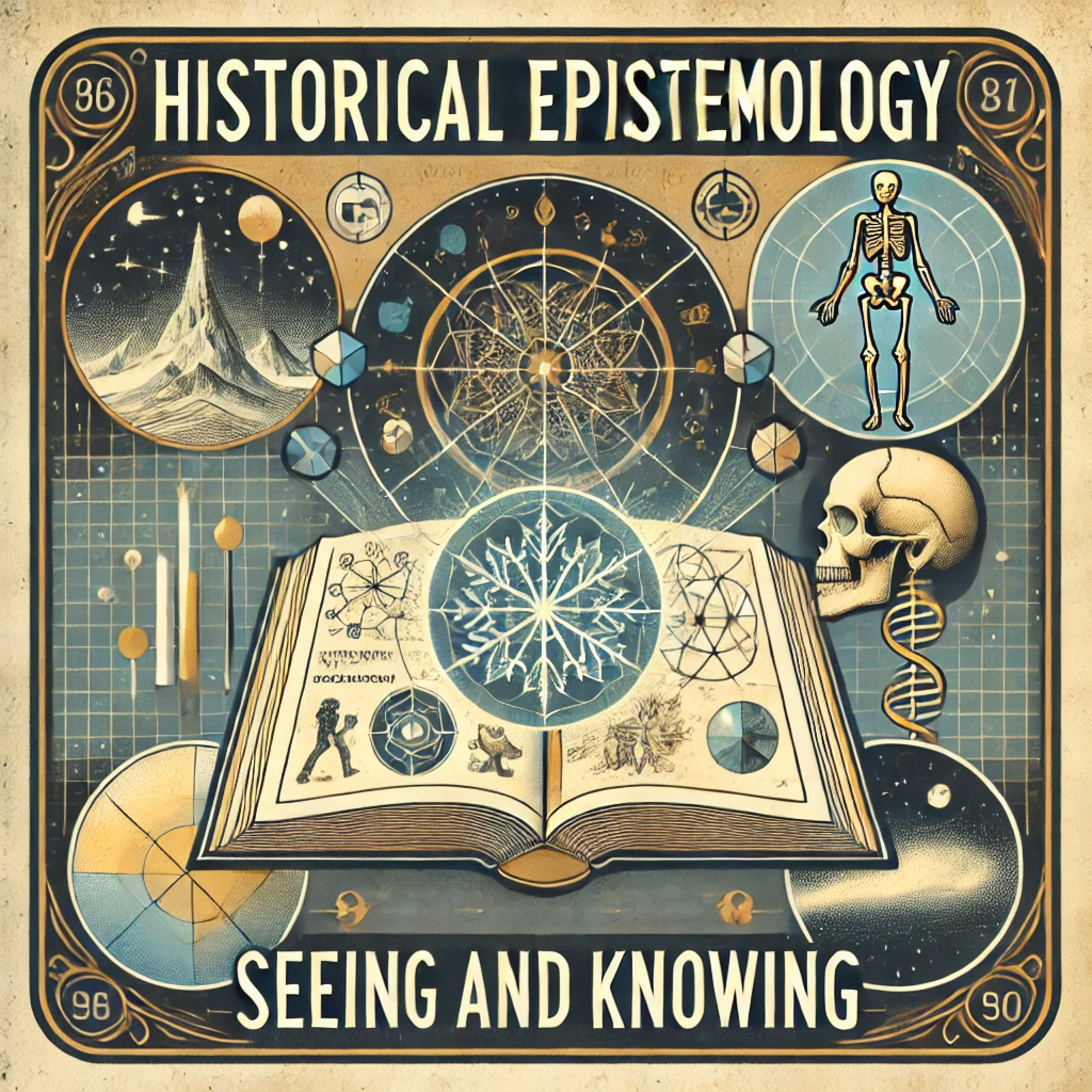
Historical Epistemology: Seeing, Knowing, and the Evolution of Objectivity
from The New East Asian Studies Podcasts in the Age of AI · host Barton Qian
What is objectivity, and how has it evolved? In this episode, we explore historical epistemology through the works of Lorraine Daston, Peter Galison, and Ian Hacking. We discuss how scientific practices and visual culture shaped the concept of objectivity, tracing its history from "truth-to-nature" ideals to "trained judgment" in disciplines like anatomy, crystallography, and astronomy. We also highlight Ian Hacking's reflections on the philosophical uses of history, exploring how concepts emerge and transform through styles of reasoning, language, and historical contexts. From Michel Foucault's influence on intellectual history to the creation of scientific personas, we uncover the dynamic relationship between seeing, knowing, and being. Join us to rethink how knowledge is created, preserved, and challenged through history and philosophy. Historical epistemology History of objectivity in science Lorraine Daston and Peter Galison Ian Hacking historical ontology Michel Foucault and intellectual history Evolution of scientific concepts Truth-to-nature vs objectivity Trained judgment in science History of scientific atlases Seeing and knowing in epistemology Scientific images and knowledge production Atlas images in empirical sciences Objectivity and scientific personas Ian Hacking’s styles of reasoning Lorraine Daston Objectivity analysis Michel Foucault’s influence on epistemology Emergence of concepts through language Collective sight in scientific communities Historical ontology in philosophy The role of atlases in shaping scientific practice
Embed this episode
Ready to play
Historical Epistemology: Seeing, Knowing, and the Evolution of Objectivity
No transcript for this episode yet
Similar Episodes
No similar episodes found.
Similar Podcasts
No similar podcasts found.