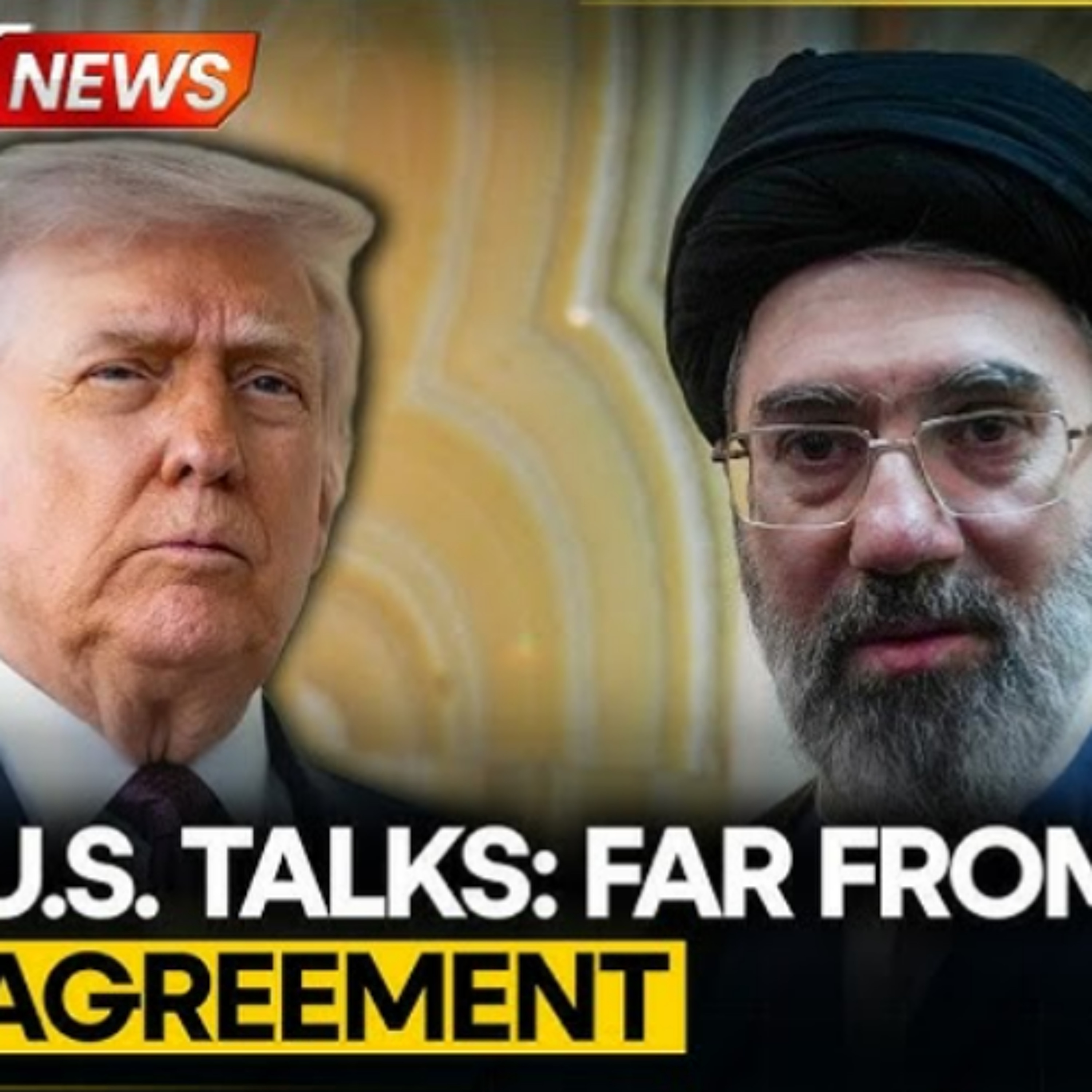
History suggests that prospects for a final US-Iranian deal are bleak episode artwork

EPISODE · Jun 27, 2026 · 12 MIN

History suggests that prospects for a final US-Iranian deal are bleak

from The Turbulent World with James M. Dorsey · host James M. Dorsey

Widely diverging US and Iranian attitudes towards Iran’s nuclear programme are not just about preventing the Islamic Republic from acquiring nuclear weapons. It’s also about perceptions of sovereignty and efforts by non-nuclear states, like Iran and Saudi Arabia, to level the playing field with the world’s core nuclear powers, the United States, Russia, China, Britain, and France, and perceived double standards built into the Non-Proliferation Treaty (NPT) when it comes to haves and have-nots. In contrast to Iran, Saudi Arabia, insisting on its right to enrich uranium, this year successfully negotiated a nuclear cooperation agreement with the United States that allows the kingdom to enrich without intrusive supervision by the International Atomic Energy Agency (IAEA), despite evidence over the years that it is creating some of the building blocks for a nuclear weapons programme. Saudi Arabia’s nuclear focus serves various goals: diversifying its economy, reducing its dependence on fossil fuels, countering a potential future Iranian nuclear capability, and enhancing efforts to ensure that Saudi Arabia, rather than Iran, emerges as the Middle East’s long-term dominant power. None of this is to ignore the fact that the Islamic Republic, at times, has worked to become a nuclear threshold state, if not to develop a nuclear weapon.

Widely diverging US and Iranian attitudes towards Iran’s nuclear programme are not just about preventing the Islamic Republic from acquiring nuclear weapons. It’s also about perceptions of sovereignty and efforts by non-nuclear states, like Iran and Saudi Arabia, to level the playing field with the world’s core nuclear powers, the United States, Russia, China, Britain, and France, and perceived double standards built into the Non-Proliferation Treaty (NPT) when it comes to haves and have-nots. In contrast to Iran, Saudi Arabia, insisting on its right to enrich uranium, this year successfully negotiated a nuclear cooperation agreement with the United States that allows the kingdom to enrich without intrusive supervision by the International Atomic Energy Agency (IAEA), despite evidence over the years that it is creating some of the building blocks for a nuclear weapons programme. Saudi Arabia’s nuclear focus serves various goals: diversifying its economy, reducing its dependence on fossil fuels, countering a potential future Iranian nuclear capability, and enhancing efforts to ensure that Saudi Arabia, rather than Iran, emerges as the Middle East’s long-term dominant power. None of this is to ignore the fact that the Islamic Republic, at times, has worked to become a nuclear threshold state, if not to develop a nuclear weapon.

NOW PLAYING

History suggests that prospects for a final US-Iranian deal are bleak

0:00 12:17

No transcript for this episode yet

We transcribe on demand. Request one and we'll notify you when it's ready — usually under 10 minutes.

No similar episodes found.

No similar podcasts found.

Frequently Asked Questions

How long is this episode of The Turbulent World with James M. Dorsey?

This episode is 12 minutes long.

When was this The Turbulent World with James M. Dorsey episode published?

This episode was published on June 27, 2026.

What is this episode about?

Widely diverging US and Iranian attitudes towards Iran’s nuclear programme are not just about preventing the Islamic Republic from acquiring nuclear weapons. It’s also about perceptions of sovereignty and efforts by non-nuclear states, like Iran and...

Can I download this The Turbulent World with James M. Dorsey episode?

Yes, you can download this episode by clicking the download button on the episode player, or subscribe to the podcast in your preferred podcast app for automatic downloads.
URL copied to clipboard!