
EPISODE · Jun 11, 2024 · 6 MIN
“How Do Types and Locations of Mandible Fractures Change With Age & Anatomy?”
from Dr. Gallagher's Podcast · host Brendan Gallagher, DDS
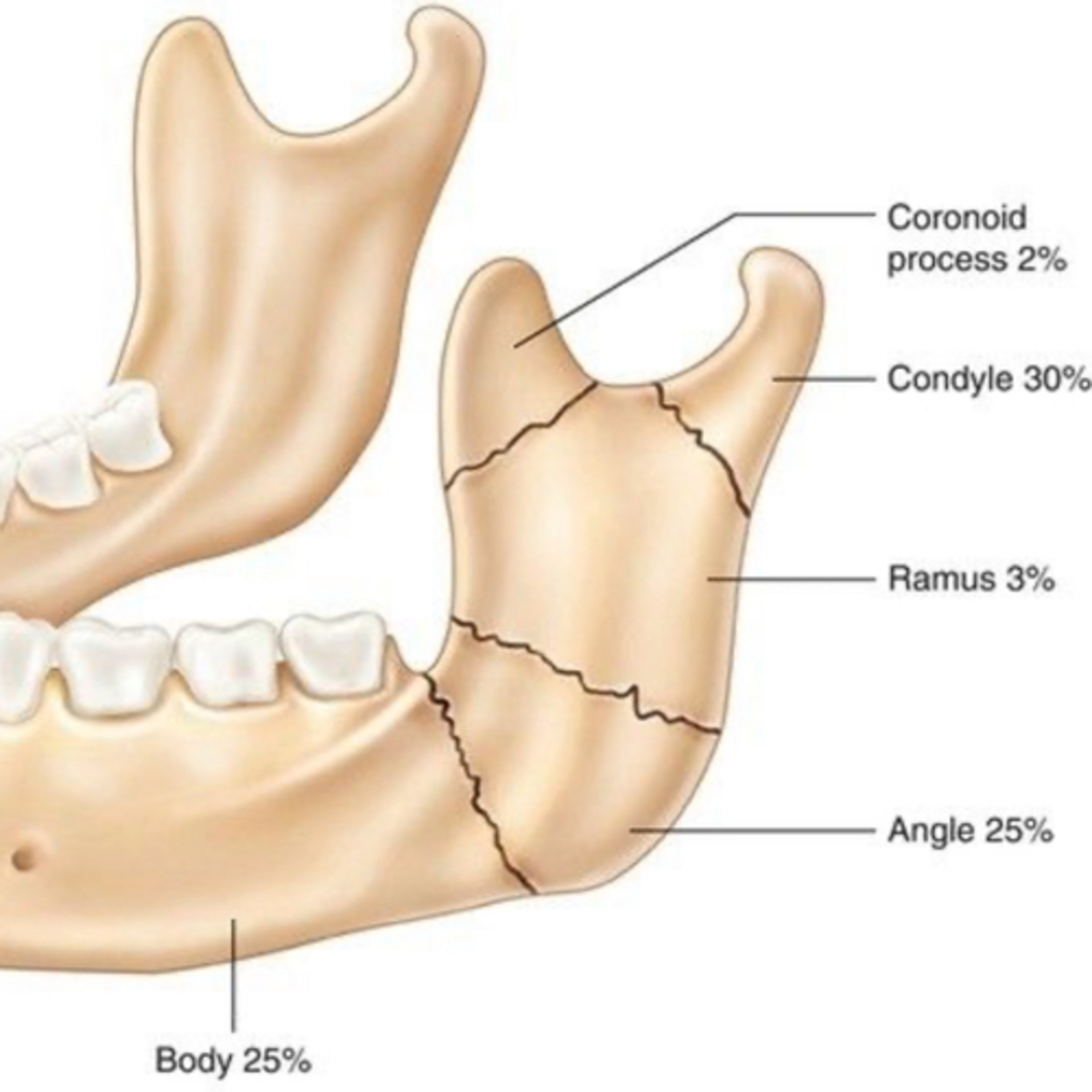
6.11.24 Quick Review #147 - #surgery #surgeon #doctorgallagher #oralsurgery #oralsurgeon #omfs #dentist #dentistry #dental Fracture Types and Locations by Age Group: Children (0-12 years): 1. Greenstick Fractures: • Location: Typically in the body or angle of the mandible. • Reason: The elastic nature of children’s bones often results in incomplete fractures where the bone bends but does not break completely. 2. Condyle Fractures: • Location: Mandibular condyle. • Reason: Active growth centers and higher elasticity can lead to fractures at the condyle due to indirect forces during trauma. Adolescents (13-18 years): 1. Condyle Fractures: • Location: Mandibular condyle. • Reason: Although less elastic than in childhood, the condyle remains a common fracture site due to its role in jaw biomechanics and remaining growth centers. 2. Body and Angle Fractures: • Location: Body and angle of the mandible. • Reason: Increased bone density and permanent dentition provide a stable structure, but these regions remain susceptible to fractures due to their anatomical positions. Adults (19-64 years): 1. Angle Fractures: • Location: Angle of the mandible. • Reason: The angle is a common fracture site due to its anatomical structure and role in mastication. 2. Body Fractures: • Location: The body of the mandible. • Reason: Dense bone and strong cortical layer, yet the body remains vulnerable during significant trauma. Older Adults (65+ years): 1. Condyle Fractures: • Location: Mandibular condyle. • Reason: Reduced bone quality and altered biomechanics due to aging increase the incidence of condyle fractures. 2. Angle and Body Fractures: • Location: The angle and body of the mandible. • Reason: Thinner cortical bone, alveolar ridge resorption, and less support from surrounding tissues make these areas more prone to fractures. 3. Symphysis and Parasymphysis Fractures: • Location: Midline and near-midline areas. • Reason: Although less common, these fractures can occur due to direct trauma, with the overall weakening of the mandibular structure making these regions more susceptible. References: 1. Perry, M., & Holmes, S. (2014). Mandibular Fractures. In Atlas of Operative Maxillofacial Trauma Surgery (pp. 161-244). Springer. https://lnkd.in/eRnqff3H 2. Ellis, E., & Throckmorton, G. S. (2005). Treatment of Mandibular Angle Fractures Using Two Miniplates: A Randomized Controlled Trial. Journal of Oral and Maxillofacial Surgery, 63(10), 1405-1409. https://lnkd.in/eF4Edzzq 3. Miloro, M., Ghali, G. E., Larsen, P. E., & Waite, P. D. (Eds.). (2012). Peterson’s Principles of Oral and Maxillofacial Surgery (3rd ed.). Shelton, CT: People’s Medical Publishing House USA. 4. ChatGPT. 2024. - #podcast #podcasts #dentalpodcast #dentalpodcasts #doctorgallagherpodcast #doctorgallagherspodcast #oralsurgeon #dentist #doctorgallagher #doctor #dentistry #oralsurgery #dental #viral #dentalschool #dentalstudent #omfs #surgeon #doctorlife #dentistlife #residency
What this episode covers
6.11.24 Quick Review #147 - #surgery #surgeon #doctorgallagher #oralsurgery #oralsurgeon #omfs #dentist #dentistry #dental Fracture Types and Locations by Age Group: Children (0-12 years): 1. Greenstick Fractures: • Location: Typically in the body or angle of the mandible. • Reason: The elastic nature of children’s bones often results in incomplete fractures where the bone bends but does not break completely. 2. Condyle Fractures: • Location: Mandibular condyle. • Reason: Active growth centers and higher elasticity can lead to fractures at the condyle due to indirect forces during trauma. Adolescents (13-18 years): 1. Condyle Fractures: • Location: Mandibular condyle. • Reason: Although less elastic than in childhood, the condyle remains a common fracture site due to its role in jaw biomechanics and remaining growth centers. 2. Body and Angle Fractures: • Location: Body and angle of the mandible. • Reason: Increased bone density and permanent dentition provide a stable structure, but these regions remain susceptible to fractures due to their anatomical positions. Adults (19-64 years): 1. Angle Fractures: • Location: Angle of the mandible. • Reason: The angle is a common fracture site due to its anatomical structure and role in mastication. 2. Body Fractures: • Location: The body of the mandible. • Reason: Dense bone and strong cortical layer, yet the body remains vulnerable during significant trauma. Older Adults (65+ years): 1. Condyle Fractures: • Location: Mandibular condyle. • Reason: Reduced bone quality and altered biomechanics due to aging increase the incidence of condyle fractures. 2. Angle and Body Fractures: • Location: The angle and body of the mandible. • Reason: Thinner cortical bone, alveolar ridge resorption, and less support from surrounding tissues make these areas more prone to fractures. 3. Symphysis and Parasymphysis Fractures: • Location: Midline and near-midline areas. • Reason: Although less common, these fractures can occur due to direct trauma, with the overall weakening of the mandibular structure making these regions more susceptible. References: 1. Perry, M., & Holmes, S. (2014). Mandibular Fractures. In Atlas of Operative Maxillofacial Trauma Surgery (pp. 161-244). Springer. https://lnkd.in/eRnqff3H 2. Ellis, E., & Throckmorton, G. S. (2005). Treatment of Mandibular Angle Fractures Using Two Miniplates: A Randomized Controlled Trial. Journal of Oral and Maxillofacial Surgery, 63(10), 1405-1409. https://lnkd.in/eF4Edzzq 3. Miloro, M., Ghali, G. E., Larsen, P. E., & Waite, P. D. (Eds.). (2012). Peterson’s Principles of Oral and Maxillofacial Surgery (3rd ed.). Shelton, CT: People’s Medical Publishing House USA. 4. ChatGPT. 2024. - #podcast #podcasts #dentalpodcast #dentalpodcasts #doctorgallagherpodcast #doctorgallagherspodcast #oralsurgeon #dentist #doctorgallagher #doctor #dentistry #oralsurgery #dental #viral #dentalschool #dentalstudent #omfs #surgeon #doctorlife #dentistlife #residency
NOW PLAYING
“How Do Types and Locations of Mandible Fractures Change With Age & Anatomy?”
No transcript for this episode yet
Similar Episodes
Dec 5, 2025 ·50m
Oct 9, 2025 ·33m
Oct 3, 2025 ·40m
Sep 11, 2025 ·31m
Aug 27, 2025 ·39m
Aug 18, 2025 ·54m