
EPISODE · Apr 20, 2026 · 18 MIN
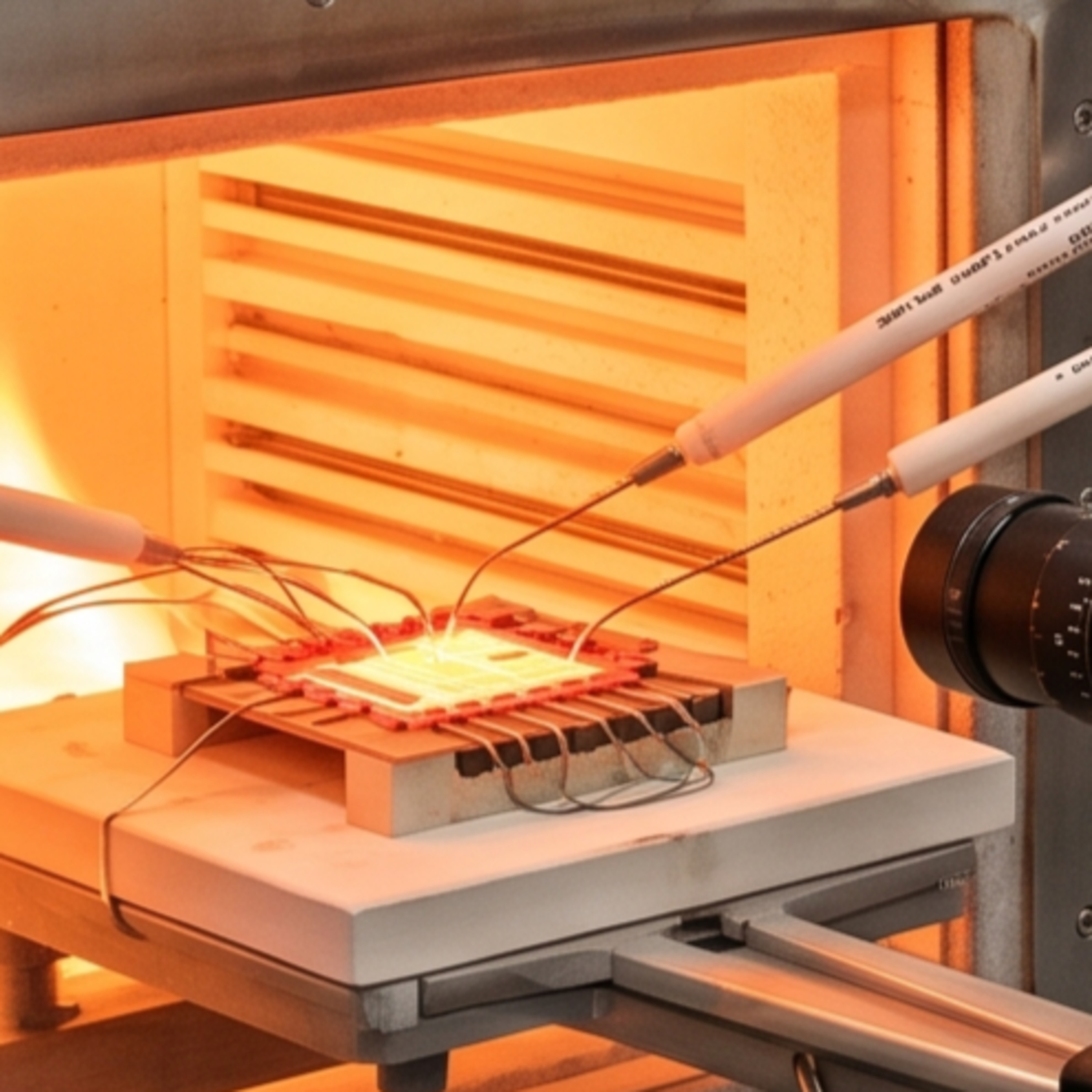
How Do You Build a Memory Chip That Works at 700°C? 🤯
from The Deep Dive Lab: Unraveling Materials Science · host Son Hoang
What if a computer chip didn’t just survive extreme heat—but actually performed better in it? 🔥💻In this episode, we dive into a groundbreaking innovation: graphene-based memristors capable of stable operation at 700°C, far beyond the limits of traditional silicon electronics.Discover:⚡ Why silicon fails above 200°C🛡️ How graphene acts as an atomic-scale shield🌡️ Why heat can improve device efficiency🚀 What this means for space exploration, nuclear energy, and extreme industrial environmentsThis could redefine where—and how—we use computing in the future.📄 Source: High-temperature memristors enabled by interfacial engineering. Science (2026). DOI: 10.1126/science.aeb9934#SciencePodcast #Graphene #FutureTech #Memristor #Innovation #ExtremeComputing #SpaceTech
Embed this episode
NOW PLAYING
How Do You Build a Memory Chip That Works at 700°C? 🤯
No transcript for this episode yet
Similar Episodes
No similar episodes found.
Similar Podcasts
No similar podcasts found.