
EPISODE · Sep 17, 2023 · 4 MIN
“How Does Displacement of Nasal Bone Fractures Determine Surgical Intervention?”
from Dr. Gallagher's Podcast · host Brendan Gallagher, DDS
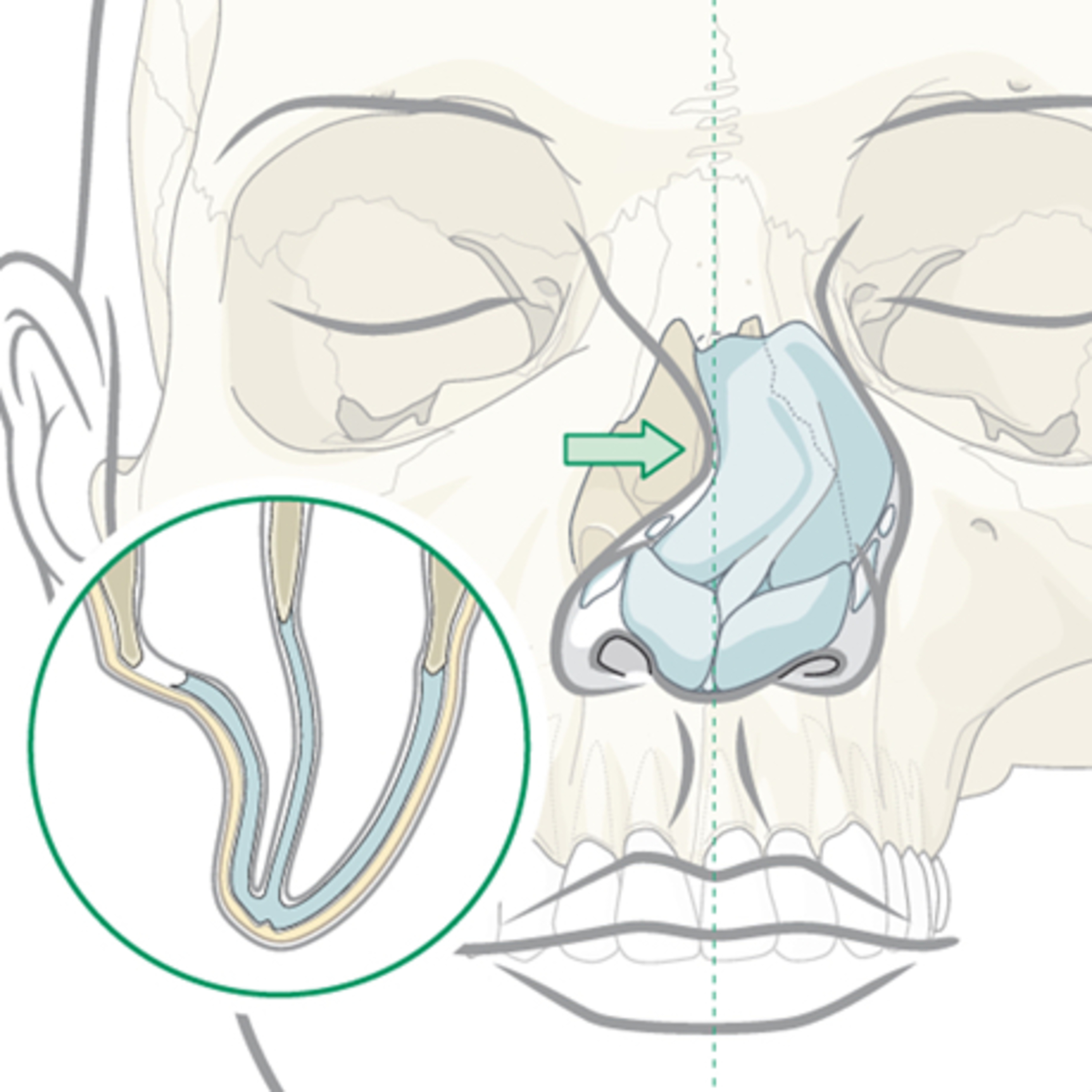
9.17.23 Quick Read #57 - #fracture #fractures #facialtrauma #oralsurgery #oralsurgeon #otolaryngology #plasticsurgery #doctorgallagher #surgery #omfs #ent The displacement of nasal bone fractures plays a crucial role in determining when and how they should be reduced: 1. Definition of Displacement: Displacement refers to the extent to which the nasal bone fragments have shifted out of their normal alignment. There are two main types: • Non-Displaced Fracture: The bone fragments remain in their normal position, with minimal or no shift in alignment. • Displaced Fracture: The bone fragments have moved significantly out of their normal position, causing a visible deformity or obstruction in the nasal airway. 2. When to Reduce Nasal Bone Fractures: • Non-Displaced Fractures: These fractures often do not require reduction (repositioning) unless they cause severe functional or cosmetic issues. • Displaced Fractures: Generally, displaced fractures should be reduced if they result in: • Significant cosmetic deformity. • Impaired nasal breathing. • The potential for long-term structural problems if left untreated. 3. How to Reduce Nasal Bone Fractures: • Closed Reduction: This is generally a non-invasive method where a healthcare professional manually manipulate the displaced bones back into their normal alignment. This is typically performed within the first 7-10 days after the injury. • Open Reduction: Surgical intervention may be necessary for complex or severely displaced fractures. In this procedure, an incision is made to access and realign the fractured bones, often using small plates, screws, or wires to hold them in place. The decision to reduce a nasal bone fracture depends on various factors, including the degree of displacement, associated injuries, and the patient’s overall health. References: 1. American Academy of Otolaryngology - Head and Neck Surgery. (2018). Nasal Fractures. https://lnkd.in/eeiuWGxk 2. Shah, J., & Arshad, N. (2020). Nasal Bone Fracture Reduction. In StatPearls [Internet]. StatPearls Publishing. https://lnkd.in/e9bB__Tw 3. Kim, D. H., Lee, J. H., & Chung, K. J. (2016). Nasal Bone Fractures: A Current Review. Archives of Craniofacial Surgery, 17(1), 1–7. https://lnkd.in/e4m5fuGZ 4. ChatGPT. 2023.
What this episode covers
9.17.23 Quick Read #57 - #fracture #fractures #facialtrauma #oralsurgery #oralsurgeon #otolaryngology #plasticsurgery #doctorgallagher #surgery #omfs #ent The displacement of nasal bone fractures plays a crucial role in determining when and how they should be reduced: 1. Definition of Displacement: Displacement refers to the extent to which the nasal bone fragments have shifted out of their normal alignment. There are two main types: • Non-Displaced Fracture: The bone fragments remain in their normal position, with minimal or no shift in alignment. • Displaced Fracture: The bone fragments have moved significantly out of their normal position, causing a visible deformity or obstruction in the nasal airway. 2. When to Reduce Nasal Bone Fractures: • Non-Displaced Fractures: These fractures often do not require reduction (repositioning) unless they cause severe functional or cosmetic issues. • Displaced Fractures: Generally, displaced fractures should be reduced if they result in: • Significant cosmetic deformity. • Impaired nasal breathing. • The potential for long-term structural problems if left untreated. 3. How to Reduce Nasal Bone Fractures: • Closed Reduction: This is generally a non-invasive method where a healthcare professional manually manipulate the displaced bones back into their normal alignment. This is typically performed within the first 7-10 days after the injury. • Open Reduction: Surgical intervention may be necessary for complex or severely displaced fractures. In this procedure, an incision is made to access and realign the fractured bones, often using small plates, screws, or wires to hold them in place. The decision to reduce a nasal bone fracture depends on various factors, including the degree of displacement, associated injuries, and the patient’s overall health. References: 1. American Academy of Otolaryngology - Head and Neck Surgery. (2018). Nasal Fractures. https://lnkd.in/eeiuWGxk 2. Shah, J., & Arshad, N. (2020). Nasal Bone Fracture Reduction. In StatPearls [Internet]. StatPearls Publishing. https://lnkd.in/e9bB__Tw 3. Kim, D. H., Lee, J. H., & Chung, K. J. (2016). Nasal Bone Fractures: A Current Review. Archives of Craniofacial Surgery, 17(1), 1–7. https://lnkd.in/e4m5fuGZ 4. ChatGPT. 2023.
NOW PLAYING
“How Does Displacement of Nasal Bone Fractures Determine Surgical Intervention?”
No transcript for this episode yet
Similar Episodes
Dec 5, 2025 ·50m
Oct 9, 2025 ·33m
Oct 3, 2025 ·40m
Sep 11, 2025 ·31m
Aug 27, 2025 ·39m
Aug 18, 2025 ·54m