
EPISODE · Dec 9, 2023 · 4 MIN
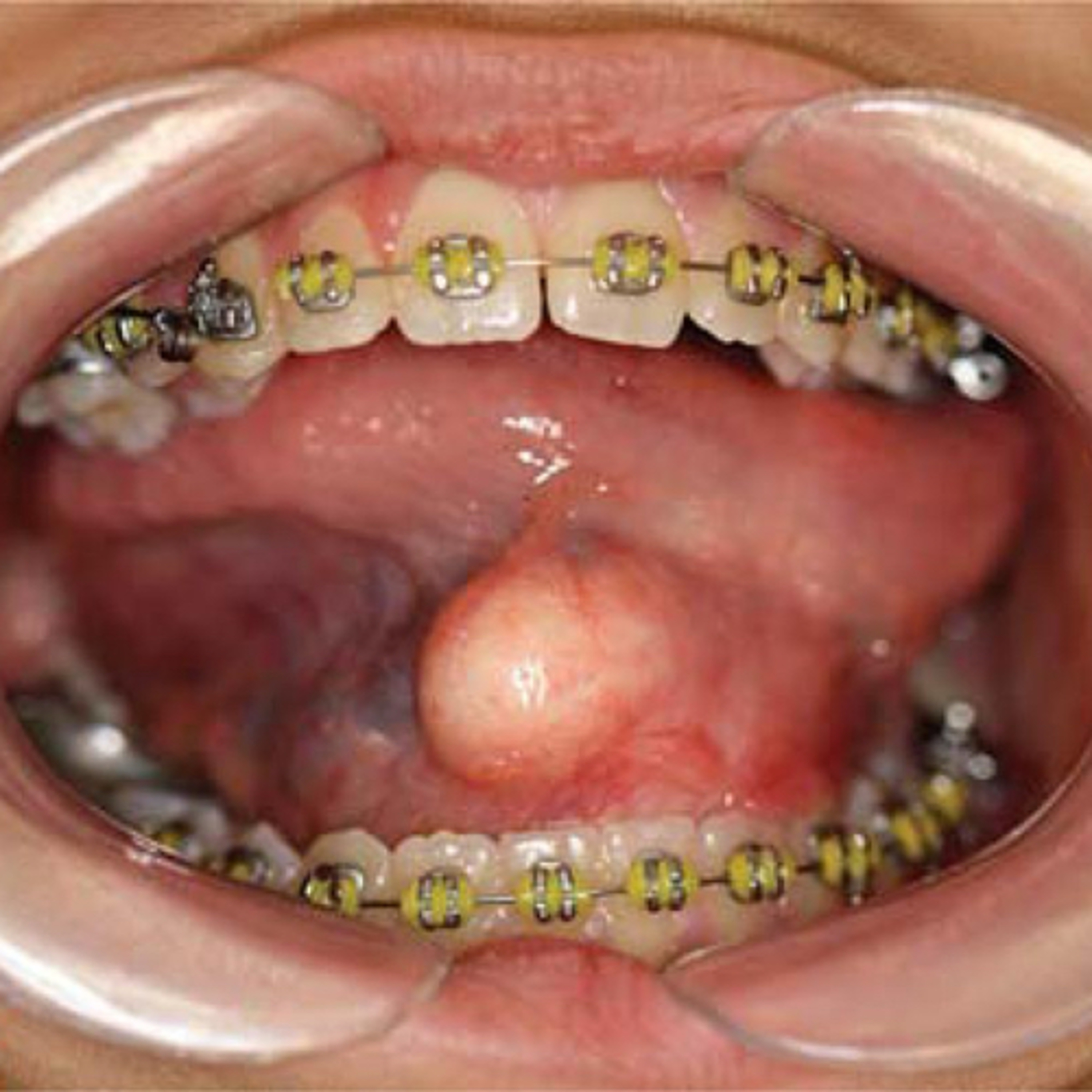
“How Does the Dermoid Cyst Differ From the Ranula, Mucocele, Salivary Gland Tumors?” + PODCAST EXCLU
from Dr. Gallagher's Podcast · host Brendan Gallagher, DDS
Quick Review #78 - #pathology #oralpathology #doctorgallagher #oralsurgery #oralsurgeon #dentist #dentistry #dental Differentiating a dermoid cyst in the floor of the mouth from a ranula, mucocele, and salivary gland tumor involves closely examining the key characteristics and features of each condition: 1. Dermoid Cyst: •Location: Typically in the midline of the floor of the mouth. •Texture and Consistency: Soft and doughy to palpation. •Appearance: Overlying mucosa usually appears normal, not translucent. •Growth Pattern: Slow-growing, and size usually remains consistent. •Symptoms: Usually non-tender and asymptomatic unless it becomes large enough to cause difficulty in speaking or swallowing. 2. Ranula: •Location: Often on one side of the floor of the mouth, not necessarily midline. •Texture and Consistency: Can be soft, but more fluid-filled and often translucent, giving a bluish appearance. •Growth Pattern: Can fluctuate in size, especially with eating, due to its nature as a mucous retention cyst. •Symptoms: Usually non-tender, but can cause discomfort if it becomes large. 3. Mucocele: •Location: Commonly found on the lower lip, but can occur in other oral locations. •Texture and Consistency: Usually a small, fluid-filled lesion; soft and translucent. •Growth Pattern: Fluctuates in size, often reducing after meals as it periodically ruptures and re-fills. •Symptoms: Typically non-tender, can rupture spontaneously. 4. Salivary Gland Tumor: •Location: Can occur in any salivary gland, including those in the floor of the mouth. •Texture and Consistency: Firm and fixed; not fluid-filled. •Growth Pattern: Usually slow-growing. •Symptoms: May be asymptomatic initially; larger tumors can cause pain or nerve involvement. In summary, a dermoid cyst is typically midline, soft, doughy, and non-translucent, with a normal overlying mucosa and a slow growth pattern. In contrast, a ranula is often off-center, fluid-filled, translucent, and fluctuates in size. A mucocele is small, fluid-filled, commonly found on the lower lip, and changes size. Salivary gland tumors are firm, slow-growing, and can be symptomatic as they enlarge. References: 1. Smirniotopoulos, J.G., & Chiechi, M.V. (1995). Teratomas, dermoids, and epidermoids of the head and neck. Radiographics, 15(6), 1437-1455. 2. Meyer, I. (1955). Dermoid cysts (dermoids) of the floor of the mouth. Oral Surgery, Oral Medicine, and Oral Pathology, 8(11), 1149-1164. 3. Hunter, T.B., Paplanus, S.H., Chernin, M.M., & Coulthard, S.W. (1983). Dermoid cyst of the floor of the mouth: CT appearance. AJR. American Journal of Roentgenology, 141(6), 1239-1240. 4. ChatGPT. 2023.
What this episode covers
Quick Review #78 - #pathology #oralpathology #doctorgallagher #oralsurgery #oralsurgeon #dentist #dentistry #dental Differentiating a dermoid cyst in the floor of the mouth from a ranula, mucocele, and salivary gland tumor involves closely examining the key characteristics and features of each condition: 1. Dermoid Cyst: •Location: Typically in the midline of the floor of the mouth. •Texture and Consistency: Soft and doughy to palpation. •Appearance: Overlying mucosa usually appears normal, not translucent. •Growth Pattern: Slow-growing, and size usually remains consistent. •Symptoms: Usually non-tender and asymptomatic unless it becomes large enough to cause difficulty in speaking or swallowing. 2. Ranula: •Location: Often on one side of the floor of the mouth, not necessarily midline. •Texture and Consistency: Can be soft, but more fluid-filled and often translucent, giving a bluish appearance. •Growth Pattern: Can fluctuate in size, especially with eating, due to its nature as a mucous retention cyst. •Symptoms: Usually non-tender, but can cause discomfort if it becomes large. 3. Mucocele: •Location: Commonly found on the lower lip, but can occur in other oral locations. •Texture and Consistency: Usually a small, fluid-filled lesion; soft and translucent. •Growth Pattern: Fluctuates in size, often reducing after meals as it periodically ruptures and re-fills. •Symptoms: Typically non-tender, can rupture spontaneously. 4. Salivary Gland Tumor: •Location: Can occur in any salivary gland, including those in the floor of the mouth. •Texture and Consistency: Firm and fixed; not fluid-filled. •Growth Pattern: Usually slow-growing. •Symptoms: May be asymptomatic initially; larger tumors can cause pain or nerve involvement. In summary, a dermoid cyst is typically midline, soft, doughy, and non-translucent, with a normal overlying mucosa and a slow growth pattern. In contrast, a ranula is often off-center, fluid-filled, translucent, and fluctuates in size. A mucocele is small, fluid-filled, commonly found on the lower lip, and changes size. Salivary gland tumors are firm, slow-growing, and can be symptomatic as they enlarge. References: 1. Smirniotopoulos, J.G., & Chiechi, M.V. (1995). Teratomas, dermoids, and epidermoids of the head and neck. Radiographics, 15(6), 1437-1455. 2. Meyer, I. (1955). Dermoid cysts (dermoids) of the floor of the mouth. Oral Surgery, Oral Medicine, and Oral Pathology, 8(11), 1149-1164. 3. Hunter, T.B., Paplanus, S.H., Chernin, M.M., & Coulthard, S.W. (1983). Dermoid cyst of the floor of the mouth: CT appearance. AJR. American Journal of Roentgenology, 141(6), 1239-1240. 4. ChatGPT. 2023.
NOW PLAYING
“How Does the Dermoid Cyst Differ From the Ranula, Mucocele, Salivary Gland Tumors?” + PODCAST EXCLU
No transcript for this episode yet
Similar Episodes
Dec 5, 2025 ·50m
Oct 9, 2025 ·33m
Oct 3, 2025 ·40m
Sep 11, 2025 ·31m
Aug 27, 2025 ·39m
Aug 18, 2025 ·54m