
EPISODE · Jan 29, 2026 · 46 MIN
How Grief & Complex Trauma Hijack Your Mind for Alienated Parents
from Beyond The High Road of Parental Alienation · host Shelby Milford
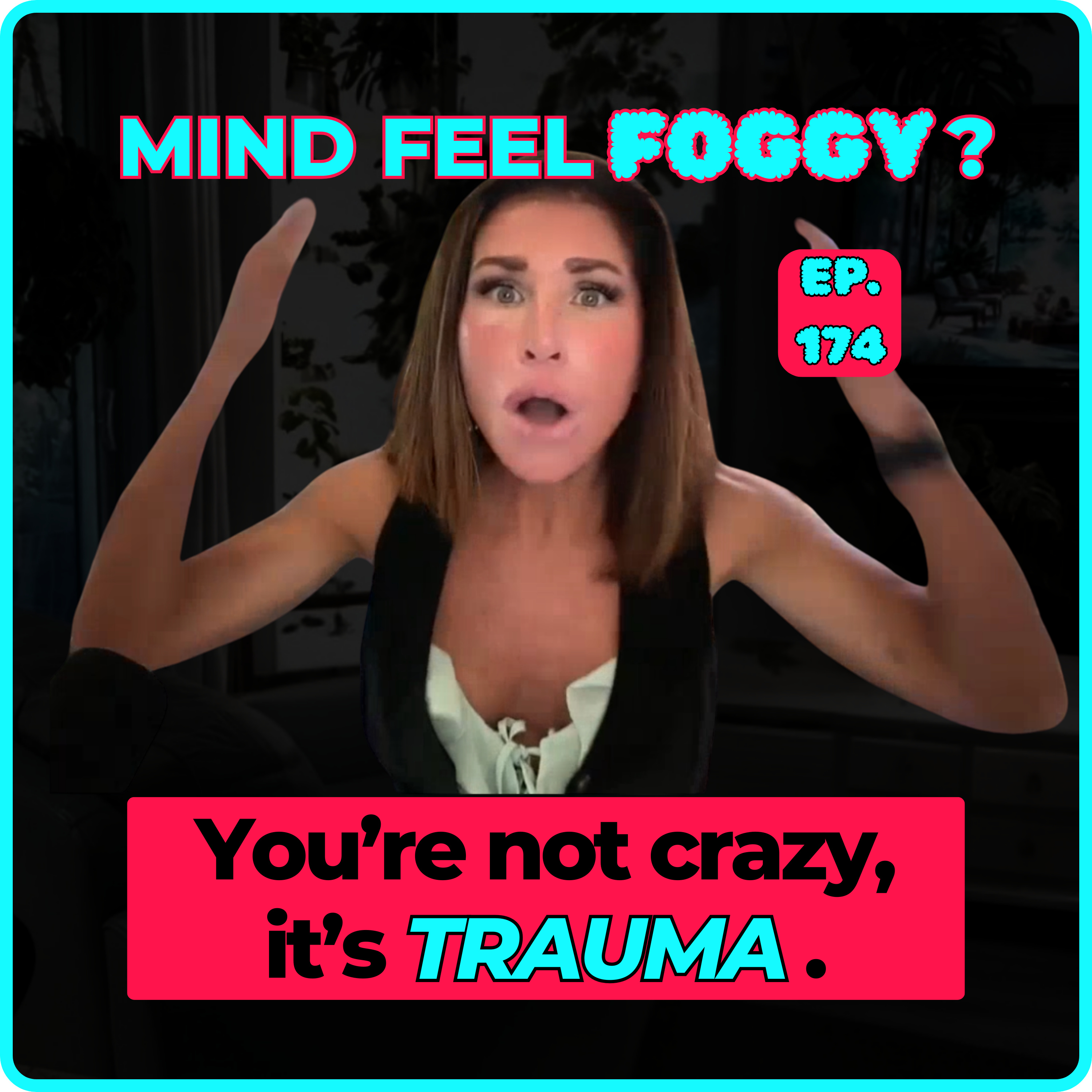
As an alienated parent, you've probably noticed an unsettling side effect: foggy brain. Ever have it where you can't remember your wedding date in court, you blank when someone asks 'how have you been?', or you walk into rooms forgetting why you're there — yet, the moment your child rejected you plays in vivid, painful detail on repeat. This isn't early dementia. It's not you losing your mind, either. It's complex PTSD & prolonged grief physically rewiring how your brain stores memories. Here's why it happens — and what you can finally do about it. MAIN TALKING POINTSMemory fragmentation is a symptom, not a character flaw — Complex PTSD and prolonged grief physically alter how your brain stores and recalls informationThree types of memory affected by alienation:Explicit memory (facts, dates, timelines) — controlled by the hippocampusImplicit memory (body sensations, emotional responses) — controlled by the amygdalaAutobiographical memory (your life story) — becomes centralized around the lossWhy you sound "scattered" when explaining your story — Your nervous system is in survival mode, scanning for threats while trauma fragments interrupt chronological recallThe "yearning" feeling explained — Your body is addicted to the dopamine and oxytocin rewards from parent-child connection; when cut off, you experience withdrawalTrauma memories intensify over time — Unlike normal memories that fade, PTSD-stored memories become MORE vivid because they're stored as "present moment" in the amygdalaYou can rewire this — Through CBT, EMDR, tapping, mindfulness, and intentional recontextualization, you can move memories from the danger center to processed historyKEY TAKEAWAYS✓ Forgetting dates, times, and sequences is normal after complex trauma — Your hippocampus struggles to timestamp events when your nervous system is under siege✓ Body memories (tight chest, nausea, numbness) are stored separately from factual memories — that's why a smell or sound can trigger intense emotions without context✓ You're not "crazy" for sounding disorganized when recounting your story — trauma fragments memories into sensory pieces rather than coherent narratives✓ The solution isn't avoiding painful memories — avoidance reinforces the danger signal; intentional processing helps move them from "present threat" to "past event"✓ Self-supplied love is the long-term answer — Learning to activate your own reward system means you're no longer dependent on external validation✓ Recovery is possible — Through trauma-informed therapy, EMDR, tapping, mindfulness, and recontextualization, you can restore cognitive function✓ You get to choose how you tell your story — Reframing your narrative in a way that supports your healing is not denial — it's empowerment
Embed this episode
NOW PLAYING
How Grief & Complex Trauma Hijack Your Mind for Alienated Parents
No transcript for this episode yet
Similar Episodes
No similar episodes found.
Similar Podcasts
No similar podcasts found.