
EPISODE · May 9, 2024 · 7 MIN
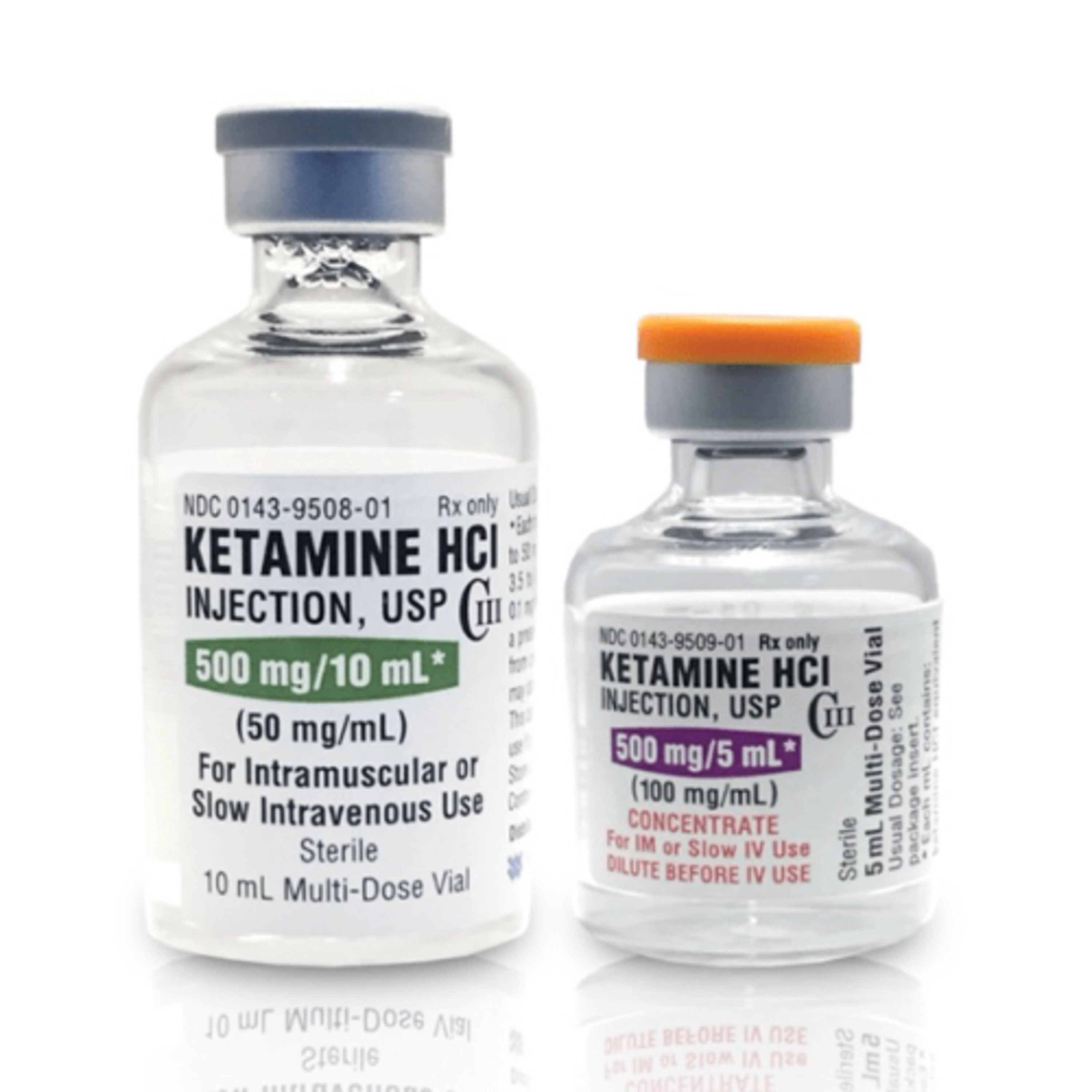
“How Is Ketamine Used In IV Sedation?”
from Dr. Gallagher's Podcast · host Brendan Gallagher, DDS
5.8.24 Quick Review #135 - #surgery #surgeon #doctorgallagher #oralsurgery #oralsurgeon #omfs #dentist #dentistry #dental #ketamine Ketamine is a dissociative anesthetic often used for sedation, pain management, and anesthesia. It has a wide range of applications in medical settings, including emergency medicine, procedural sedation, and intensive care. Receptor: • NMDA Receptors: Ketamine is an NMDA receptor antagonist, which means it inhibits the action of glutamate, the brain’s primary excitatory neurotransmitter. This blockade contributes to its anesthetic and analgesic effects. • Opioid Receptors: It also interacts with mu and kappa opioid receptors, which contribute to its analgesic properties. • Muscarinic Receptors: Ketamine inhibits muscarinic receptors, which contributes to some of its sedative and amnesic effects. • Monoaminergic Receptors: Ketamine affects monoaminergic receptors, which might explain some of its antidepressant effects. Effects of Ketamine Sedation and Dissociation: • Sedation: It induces a trance-like state characterized by sedation, analgesia, and amnesia. • Dissociation: The dissociative state induced by ketamine is described as a feeling of being detached from the environment and self. Analgesia: • Ketamine provides strong pain relief, which is useful in emergency and postoperative settings. Cardiovascular Effects: • Heart Rate: Ketamine increases heart rate due to its sympathomimetic effects. • Blood Pressure: It typically increases blood pressure through similar mechanisms. • Cardiac Output: Cardiac output can increase as a result of the increased heart rate and blood pressure. Respiratory Effects: • Ketamine maintains respiratory drive, which is advantageous compared to other sedatives and anesthetics that suppress respiration. Vital Sign Changes: • Heart Rate: Increases. • Blood Pressure: Increases. • Respiratory Rate: Generally maintained, although there can be transient respiratory depression in higher doses. • Oxygen Saturation: Generally maintained. Safety Considerations: • Laryngospasm: While ketamine generally preserves airway reflexes, laryngospasm can occur, especially in higher doses or when airway secretions increase. • Emergence Reactions: Patients may experience vivid dreams, hallucinations, or delirium upon waking, although these can be minimized with benzodiazepines or lower doses. • Intracranial Pressure: Ketamine can increase intracranial pressure, so caution is advised in patients with head injuries or raised intracranial pressure. • Cardiovascular Effects: Due to its sympathetic stimulation, ketamine should be used cautiously in patients with cardiovascular disease or hypertension. References: 1. Bailey, A. M., et al. (2018). Ketamine for Acute Pain Management and Sedation. Critical Care Nurse, 38(2), 49-59 . 2. Schmid, R. L., et al. (2005). Ketamine for Perioperative Pain Management. Anesthesiology, 102(1), 211-220. 3. ChatGPT. 2024. - #podcast #podcasts #dentalpodcast #dentalpodcasts #doctorgallagherpodcast #doctorgallagherspodcast #doctor #dentistry #oralsurgery #dental #viral #dentalschool #dentalstudent #omfs #surgeon #doctorlife #dentistlife #residency #oralsurgeon #dentist #doctorgallagher
What this episode covers
5.8.24 Quick Review #135 - #surgery #surgeon #doctorgallagher #oralsurgery #oralsurgeon #omfs #dentist #dentistry #dental #ketamine Ketamine is a dissociative anesthetic often used for sedation, pain management, and anesthesia. It has a wide range of applications in medical settings, including emergency medicine, procedural sedation, and intensive care. Receptor: • NMDA Receptors: Ketamine is an NMDA receptor antagonist, which means it inhibits the action of glutamate, the brain’s primary excitatory neurotransmitter. This blockade contributes to its anesthetic and analgesic effects. • Opioid Receptors: It also interacts with mu and kappa opioid receptors, which contribute to its analgesic properties. • Muscarinic Receptors: Ketamine inhibits muscarinic receptors, which contributes to some of its sedative and amnesic effects. • Monoaminergic Receptors: Ketamine affects monoaminergic receptors, which might explain some of its antidepressant effects. Effects of Ketamine Sedation and Dissociation: • Sedation: It induces a trance-like state characterized by sedation, analgesia, and amnesia. • Dissociation: The dissociative state induced by ketamine is described as a feeling of being detached from the environment and self. Analgesia: • Ketamine provides strong pain relief, which is useful in emergency and postoperative settings. Cardiovascular Effects: • Heart Rate: Ketamine increases heart rate due to its sympathomimetic effects. • Blood Pressure: It typically increases blood pressure through similar mechanisms. • Cardiac Output: Cardiac output can increase as a result of the increased heart rate and blood pressure. Respiratory Effects: • Ketamine maintains respiratory drive, which is advantageous compared to other sedatives and anesthetics that suppress respiration. Vital Sign Changes: • Heart Rate: Increases. • Blood Pressure: Increases. • Respiratory Rate: Generally maintained, although there can be transient respiratory depression in higher doses. • Oxygen Saturation: Generally maintained. Safety Considerations: • Laryngospasm: While ketamine generally preserves airway reflexes, laryngospasm can occur, especially in higher doses or when airway secretions increase. • Emergence Reactions: Patients may experience vivid dreams, hallucinations, or delirium upon waking, although these can be minimized with benzodiazepines or lower doses. • Intracranial Pressure: Ketamine can increase intracranial pressure, so caution is advised in patients with head injuries or raised intracranial pressure. • Cardiovascular Effects: Due to its sympathetic stimulation, ketamine should be used cautiously in patients with cardiovascular disease or hypertension. References: 1. Bailey, A. M., et al. (2018). Ketamine for Acute Pain Management and Sedation. Critical Care Nurse, 38(2), 49-59 . 2. Schmid, R. L., et al. (2005). Ketamine for Perioperative Pain Management. Anesthesiology, 102(1), 211-220. 3. ChatGPT. 2024. - #podcast #podcasts #dentalpodcast #dentalpodcasts #doctorgallagherpodcast #doctorgallagherspodcast #doctor #dentistry #oralsurgery #dental #viral #dentalschool #dentalstudent #omfs #surgeon #doctorlife #dentistlife #residency #oralsurgeon #dentist #doctorgallagher
NOW PLAYING
“How Is Ketamine Used In IV Sedation?”
No transcript for this episode yet
Similar Episodes
Dec 5, 2025 ·50m
Oct 9, 2025 ·33m
Oct 3, 2025 ·40m
Sep 11, 2025 ·31m
Aug 27, 2025 ·39m
Aug 18, 2025 ·54m