How Online Media Polarizes and Encourages Voters episode artwork

EPISODE · Feb 13, 2019 · 50 MIN

How Online Media Polarizes and Encourages Voters

from The Science of Politics · host Niskanen Center

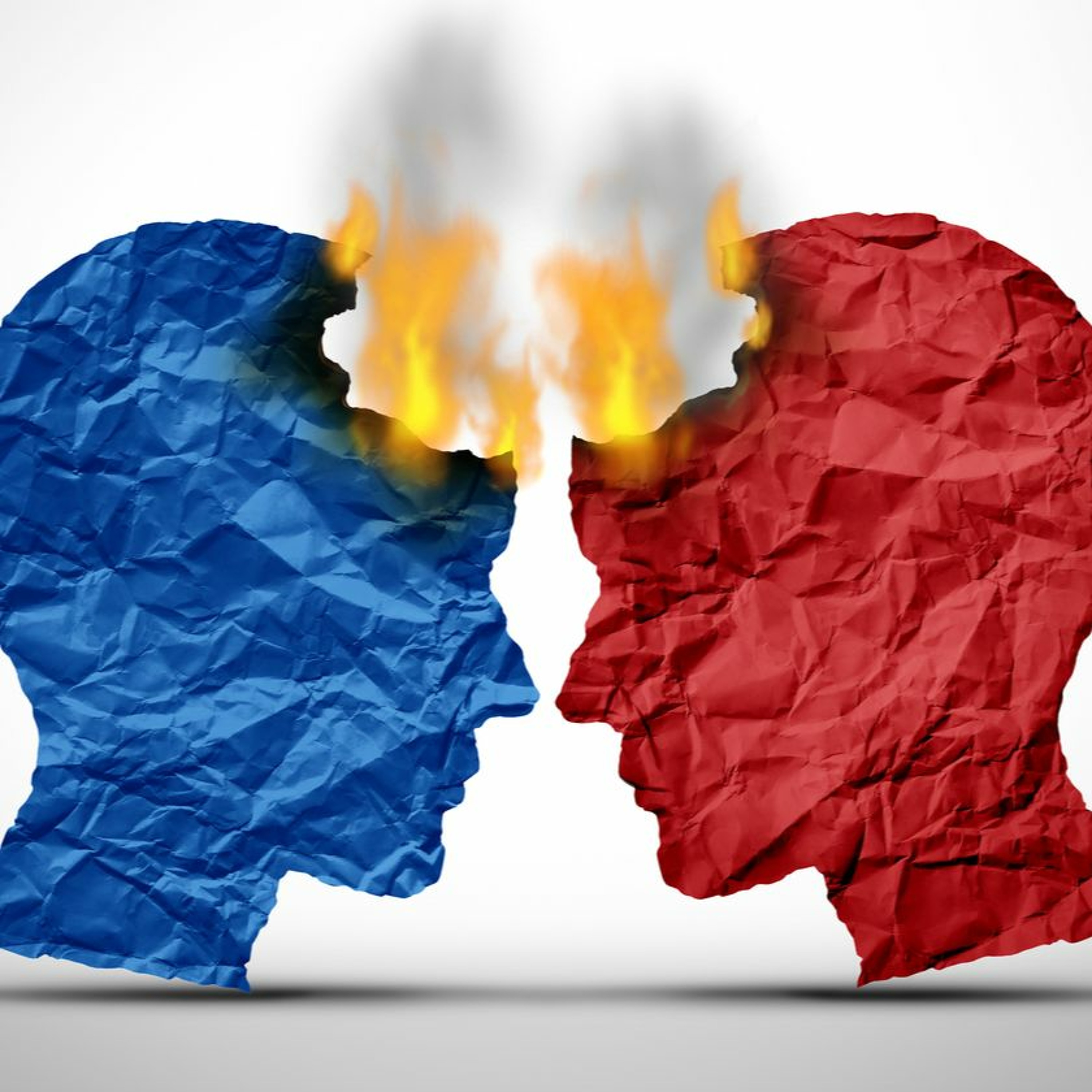
Online politics and social media are being blamed for a lot lately, from the spread of misinformation to the rise of incivility. But we also want online media to reach young people and increase participation. Although early studies showed limited effects, the latest efforts show the online world is impacting the offline. Jamie Settle finds that Facebook increases our negative views of the other party--not because we talk a lot about politics, but because we think lots of social media posts reveal our friends’ politics and come to see them as caricatures. Katherine Haenschen finds that online banner and video ads can encourage young people to vote in local elections, perhaps reaching new voters. Online media has benefits and risks for our politics. Studies: “Frenemies: How Social Media Polarizes America” and “Mobilizing Millennial Voters with Targeted Internet Advertisements.” Interviews: Jamie Settle, William and Mary; Katherine Haenschen, Virginia Tech Anthony Quintano from Honolulu, HI, United States [CC BY 2.0 (https://creativecommons.org/licenses/by/2.0)] https://commons.wikimedia.org/wiki/File:Mark_Zuckerberg_F8_2018_Keynote_(41118893354).jpg

Online politics and social media are being blamed for a lot lately, from the spread of misinformation to the rise of incivility. But we also want online media to reach young people and increase participation. Although early studies showed limited effects, the latest efforts show the online world is impacting the offline. Jamie Settle finds that Facebook increases our negative views of the other party--not because we talk a lot about politics, but because we think lots of social media posts reveal our friends’ politics and come to see them as caricatures. Katherine Haenschen finds that online banner and video ads can encourage young people to vote in local elections, perhaps reaching new voters. Online media has benefits and risks for our politics. Studies: “Frenemies: How Social Media Polarizes America” and “Mobilizing Millennial Voters with Targeted Internet Advertisements.” Interviews: Jamie Settle, William and Mary; Katherine Haenschen, Virginia Tech Anthony Quintano from Honolulu, HI, United States [CC BY 2.0 (https://creativecommons.org/licenses/by/2.0)] https://commons.wikimedia.org/wiki/File:Mark_Zuckerberg_F8_2018_Keynote_(41118893354).jpg

NOW PLAYING

How Online Media Polarizes and Encourages Voters

0:00 50:42

No transcript for this episode yet

We transcribe on demand. Request one and we'll notify you when it's ready — usually under 10 minutes.

Frequently Asked Questions

How long is this episode of The Science of Politics?

This episode is 50 minutes long.

When was this The Science of Politics episode published?

This episode was published on February 13, 2019.

What is this episode about?

Online politics and social media are being blamed for a lot lately, from the spread of misinformation to the rise of incivility. But we also want online media to reach young people and increase participation. Although early studies showed limited...

Can I download this The Science of Politics episode?

Yes, you can download this episode by clicking the download button on the episode player, or subscribe to the podcast in your preferred podcast app for automatic downloads.
URL copied to clipboard!