PodParley PodParley

How Protests Change Parties and Elections

Protests are heating up over police brutality in …

An episode of the The Science of Politics podcast, hosted by Niskanen Center, titled "How Protests Change Parties and Elections" was published on June 3, 2020 and runs 36 minutes.

June 3, 2020 ·36m · The Science of Politics

0:00 / 0:00

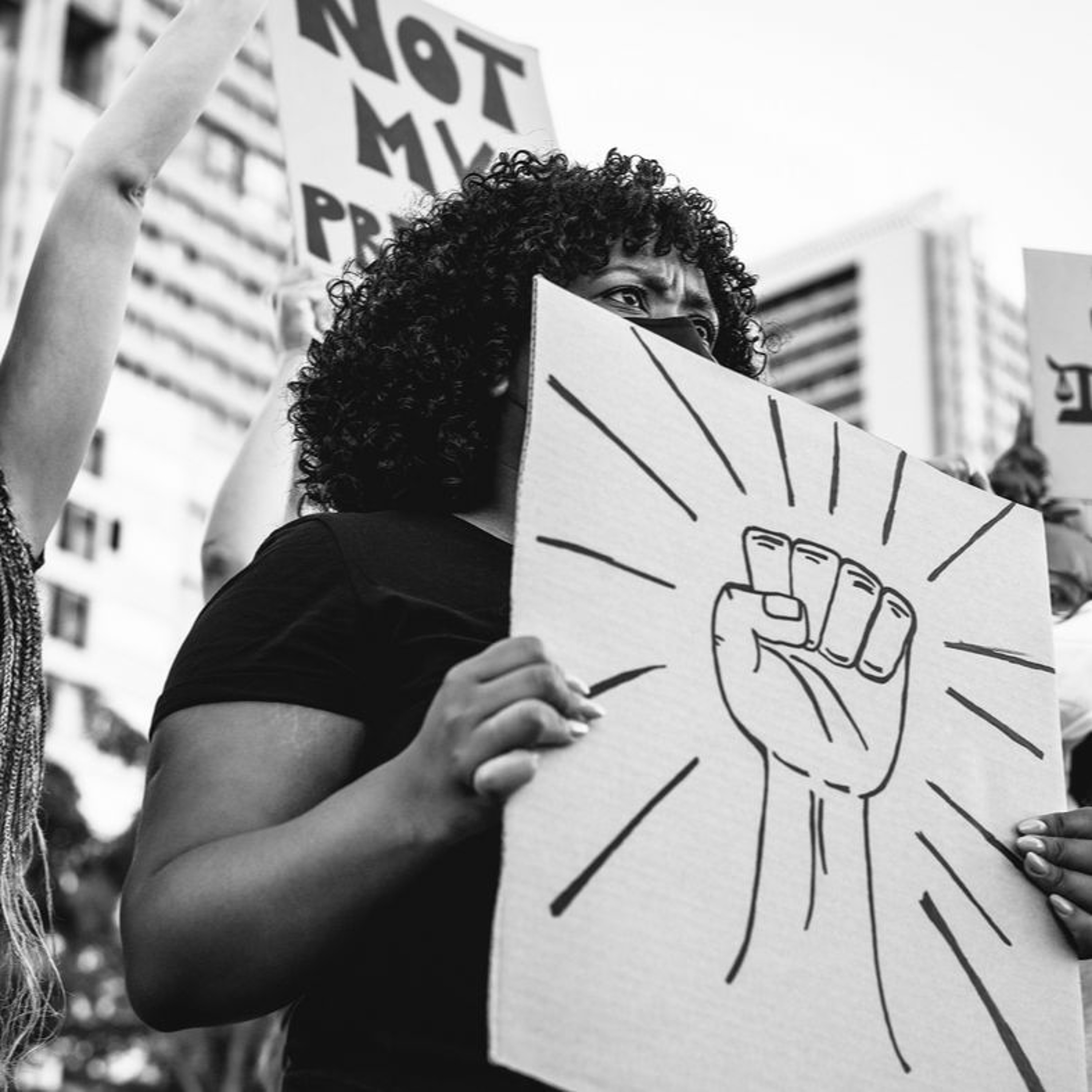
Protests are heating up over police brutality in the middle of a presidential election year. Can protests change election outcomes or the future of the parties? New research suggests that protests do leave their mark--and the Trump protest era has been quite active. Daniel Gillion finds that liberal protests help Democrats win elections, stimulating new campaign contributions, public support, and candidacies, and increasing their vote share. Michael Heaney finds that protests respond to the party of the president and can help the party out of power organize and voice its concerns. They both say we should not underestimate the power of street protests, even for conventional political outcomes.

Protests are heating up over police brutality in the middle of a presidential election year. Can protests change election outcomes or the future of the parties? New research suggests that protests do leave their mark--and the Trump protest era has been quite active. Daniel Gillion finds that liberal protests help Democrats win elections, stimulating new campaign contributions, public support, and candidacies, and increasing their vote share. Michael Heaney finds that protests respond to the party of the president and can help the party out of power organize and voice its concerns. They both say we should not underestimate the power of street protests, even for conventional political outcomes.
Challenging Climate Jesse Reynolds and Pete Irvine Asking tough questions about the science, technology, and politics of climate change, two climate researchers challenge leading experts on one of the defining issues of our age. Every two weeks, they explore how we can fight global warming by cutting greenhouse gas emissions, carbon removal, adaptation and solar geoengineering. Dr. Jesse Reynolds and Dr. Pete Irvine consider the roles of computer models and persuasive narratives, economics and public policy, and renewable energy and national security in the climate debate, and look beyond to issues such as biotechnology and international development.Support us at Patreon.Questions or comments? Email [email protected] or tweet @ChalClimateSee more information on Jesse Reynolds and <a href="https://www.ucl.ac.uk/earth- Oxford Food Governance Group: The Politics and Practices of Food Oxford University The Oxford Food Governance Group is an interdisciplinary group of researchers from the Institute for Science, Innovation and Society (InSIS), Said Business School, and the Unit for Biocultural Variation and Obesity (UBVO) at the University of Oxford, who share an interest in food governance practices. Looking at the politics of food distribution, sustainability, and governance of the food supply among other topics, this series will look at how we get our food and why it matters. The Muckraking Ida Tarbell and C. Gull Discussions of politics, culture, social justice, science, technology, and all the news that’s fit to criticize. Led by Ida Tarbell and C. Gull https://themuckraking.wordpress.com/ The Christian Science Monitor - News csmonitor.com A daily selection of audio reports from csmonitor.com
URL copied to clipboard!